
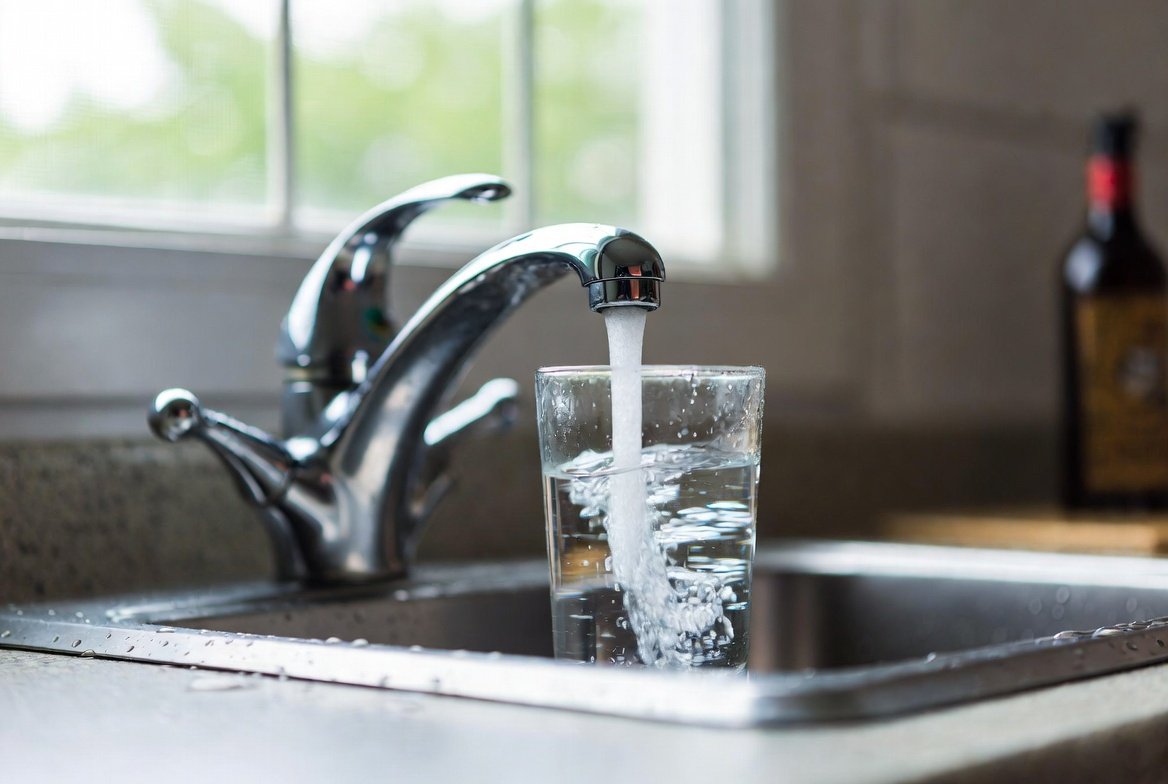
What is Lead in Drinking Water
Lead in drinking water usually comes from plumbing — lead service lines, old solder, and some fixtures — not from the water source. It’s especially harmful to children, and the only way to know if it’s at your tap is to test. Here’s how it gets into water and what reduces exposure.
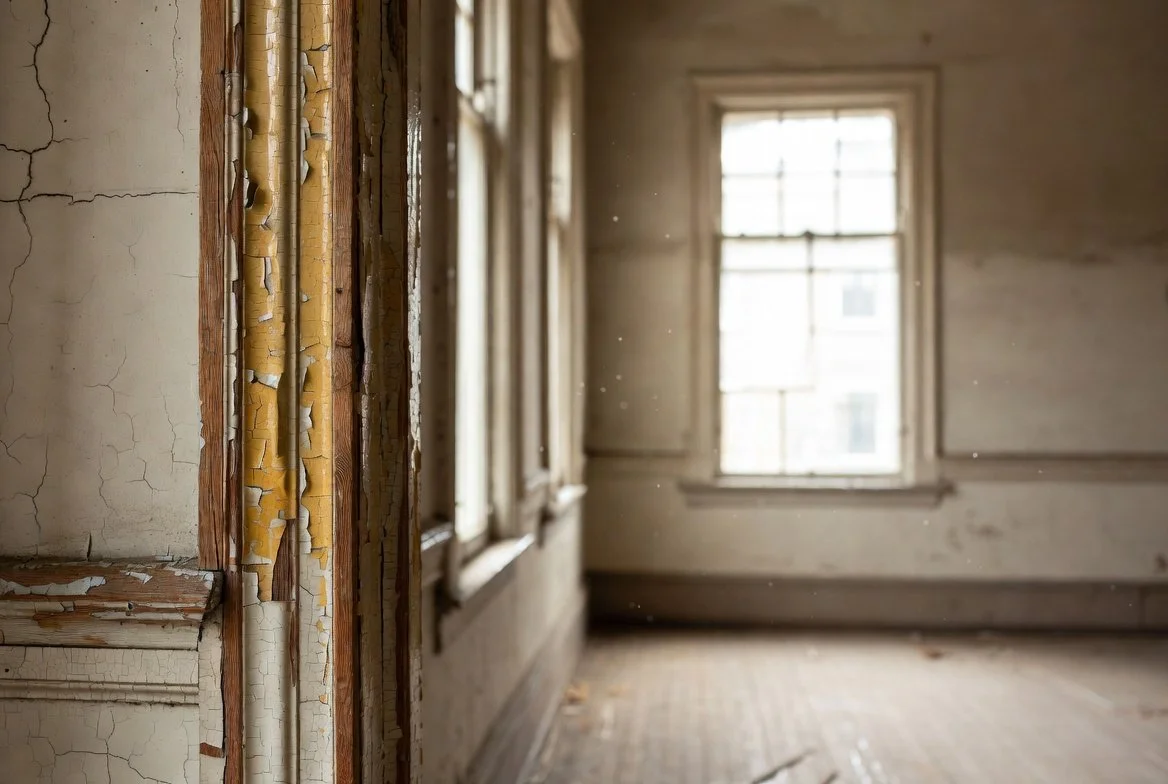
What Is Lead-Based Paint?
Lead-based paint is still common in homes built before 1978. The real hazard is usually the dust and chips that form when the paint deteriorates or gets disturbed. Here’s where it shows up and how to reduce the risk, especially for young children.
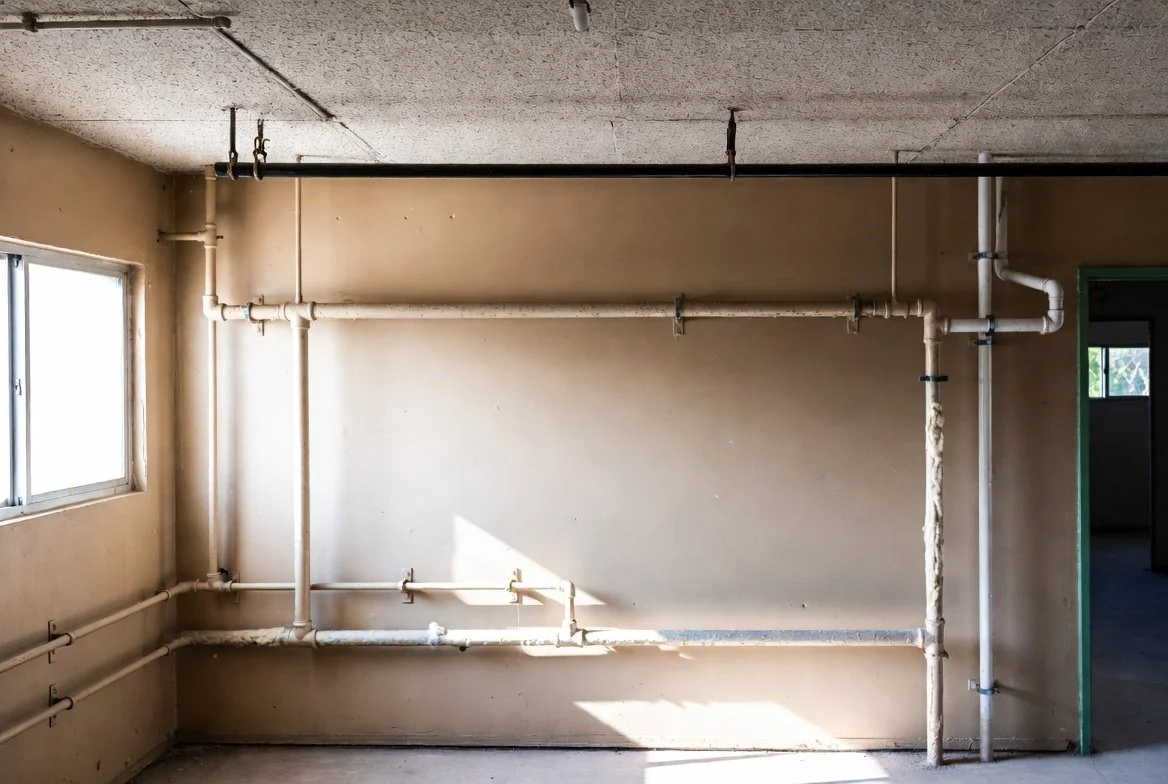
What Is Asbestos?
Asbestos is a group of fibrous minerals once common in building materials. The fibers can cause serious lung disease when inhaled, but intact materials usually aren’t a problem until they’re disturbed. Here’s where it shows up and how to handle it safely.
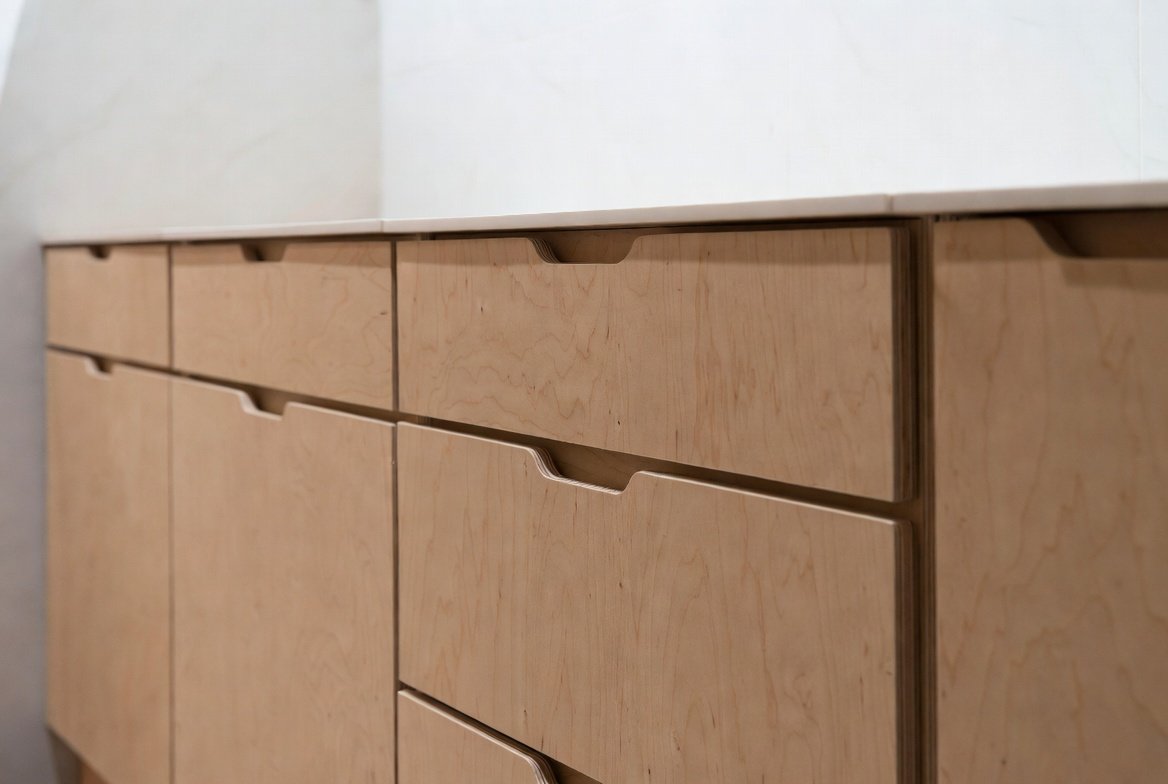
What Is Formaldehyde?
Formaldehyde’s a common indoor gas that comes mainly from pressed-wood products, some furnishings, and combustion. It can irritate the eyes, nose, and throat, and it’s classified as a human carcinogen with higher exposures. Here’s where it shows up and what actually helps reduce it.
What is Radon?
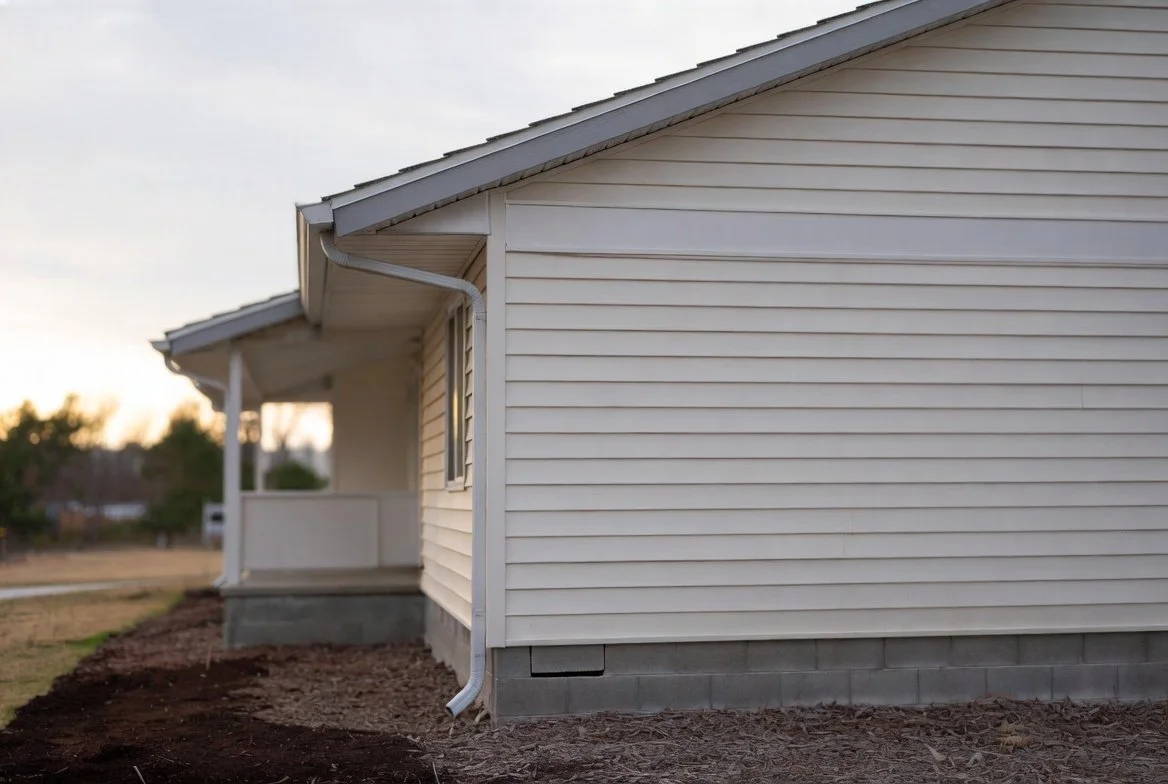
Radon’s a naturally occurring radioactive gas that comes from the breakdown of uranium in soil and rock. You can’t see, smell, or taste it. Here’s where it comes from, how testing works, and what to do if levels are high.
What are Volatile Organic Compounds (VOCs)?
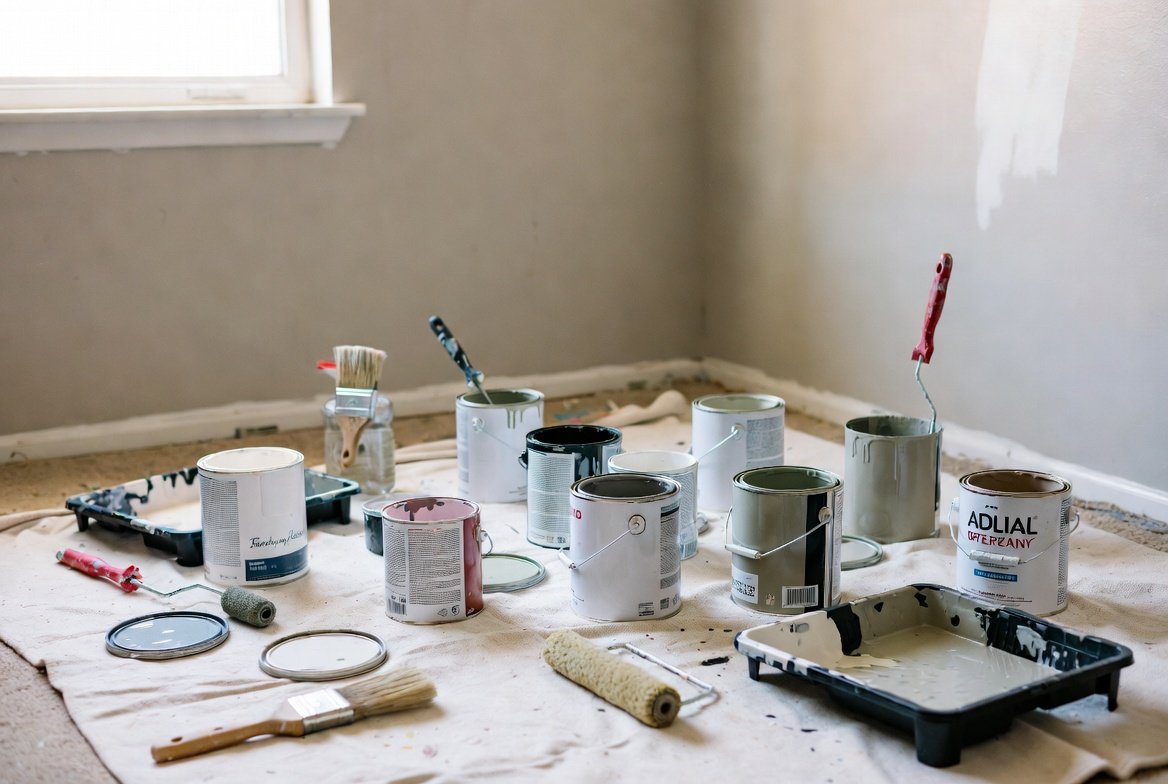
VOCs are chemicals that easily evaporate into the air from paints, cleaning products, new furniture, and many other everyday items. Indoor levels are often higher than outdoor levels. Here’s a clear look at what they are, where they come from, and practical ways to reduce them.
What Is Mold?
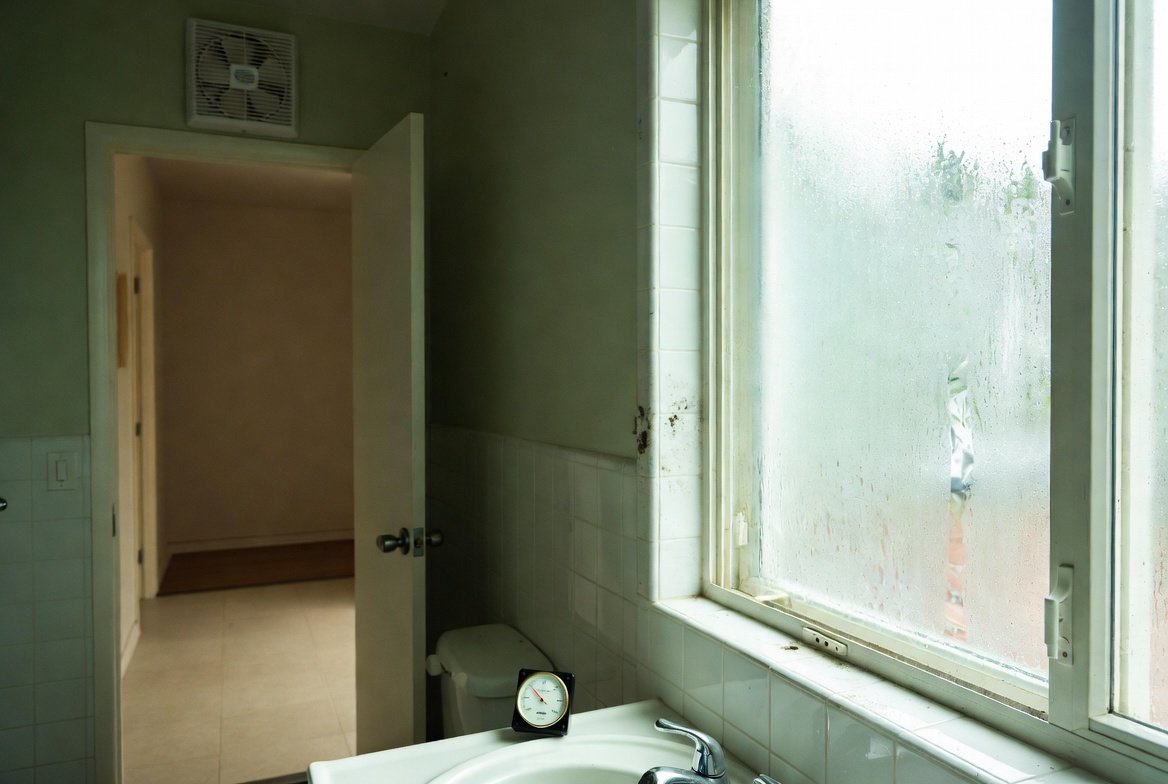
We’ve all been told that mold is dangerous and that any black spot means trouble. The truth is more practical. Mold is a fungus that grows when moisture sticks around. This guide explains what it actually is, the common types you’re likely to see (including the one people call “black mold”), why it shows up, and what the EPA says about cleaning small areas yourself versus calling in help.
Why Do you Need to Change Your AC Filter So Often?
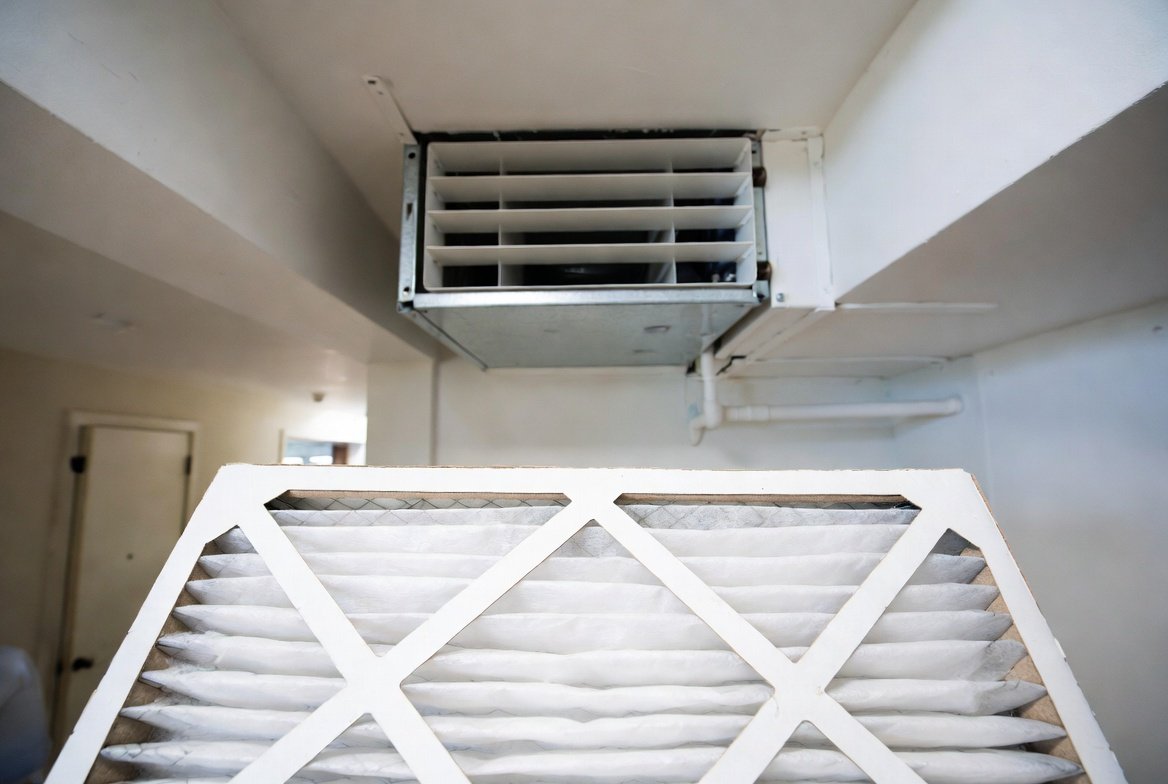
We’ve all been told to change our AC filters every month. But when you pull one out and it’s still mostly white, you’re often throwing away a filter that’s actually working better than a brand-new one. Here’s the real story on how filters work, why a light layer of dust helps, and how to know when it’s truly time to change it.