
What Is Asbestos?
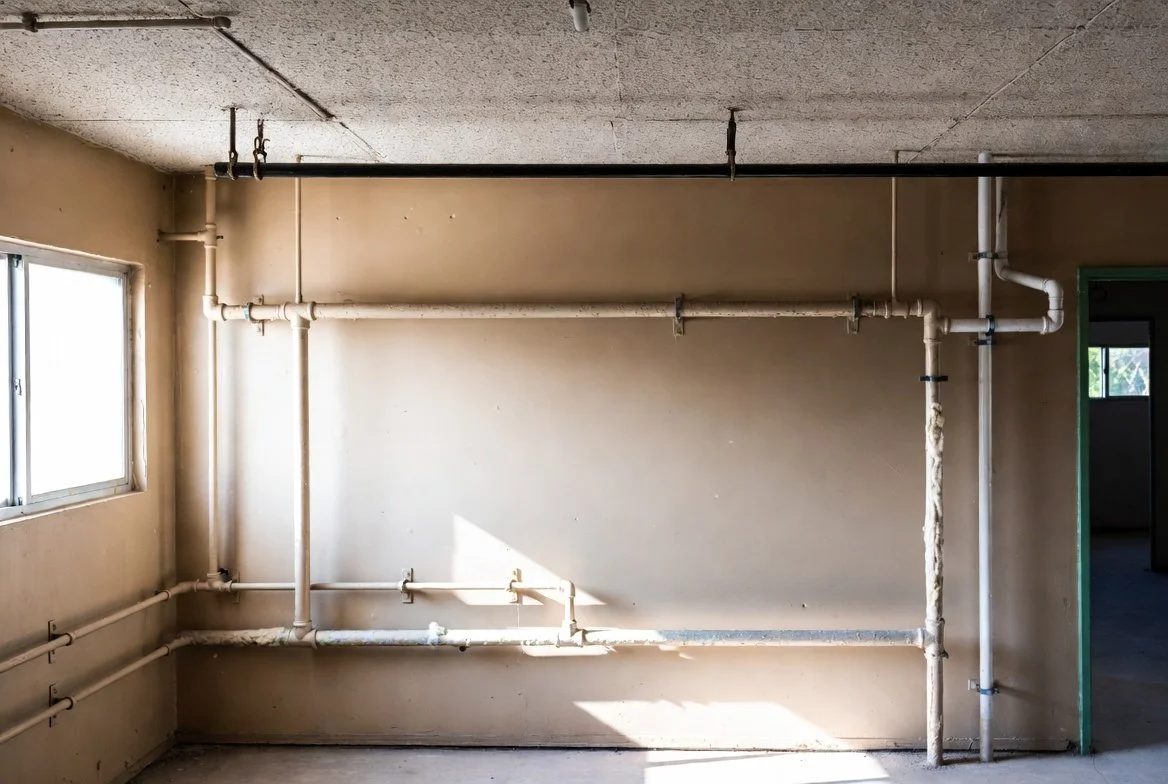
Asbestos is a group of naturally occurring fibrous minerals that were once widely used in building materials because they’re strong, heat-resistant, and good at insulating. When the tiny fibers become airborne and are inhaled, they can cause serious lung diseases years later.
Quick Reference
Simple definition: Naturally occurring fibrous minerals once common in building materials for strength and heat resistance
Main concern: Inhaled fibers can cause asbestosis, lung cancer, and mesothelioma, often decades after exposure
Top places found: Older insulation, floor tiles, ceiling tiles, pipe wrapping, roofing, and some textured coatings
Key action: Leave intact, undamaged materials alone; have professionals handle testing and any disturbance or removal
Why it Matters
Asbestos fibers are microscopic and can stay in the lungs for a long time. Over years or decades, they can cause scarring (asbestosis), lung cancer, and mesothelioma — a rare cancer that affects the lining of the lungs or abdomen. The risk rises with the amount and duration of exposure. Smokers who are also exposed to asbestos have a much higher risk of lung cancer than from either factor alone.
Most of the heaviest exposures happened in workplaces before the 1980s. Today the bigger issue for most people is older homes and buildings that still contain asbestos materials. The fibers are generally not considered a significant risk when the material is in good condition and left undisturbed. Problems start when materials are damaged, crumble, or are sanded, cut, or demolished, releasing fibers into the air.

Where You Can Find It
In homes and buildings (especially those built or renovated before the 1980s–1990s):
-
Pipe and boiler insulation
-
Attic and wall insulation (including some vermiculite)
-
Floor tiles and the adhesive underneath
-
Ceiling tiles and textured (“popcorn”) ceilings
-
Roofing materials and siding
-
Some joint compounds, plasters, and fireproofing materials
-
Older appliance parts, brake pads, and industrial products (less common in homes today)
Asbestos was used in thousands of products. It’s much less common in new construction in the U.S., but it hasn’t been completely banned, so some imported or specialty products may still contain it.
Intact vs. Disturbed Asbestos
This is the most important practical distinction.
When asbestos-containing material is in good condition — intact, not crumbling, not being worked on — the fibers usually stay bound up in the material. In that state, it generally doesn’t release significant amounts of fibers into the air, and the common recommendation is to leave it alone and manage it in place.
The risk rises sharply when the material is disturbed. Sanding, cutting, drilling, demolition, or even repeated abrasion can break the material up and release fibers. That’s why renovations, repairs, and demolitions in older buildings need care. If the material is already damaged or friable (easily crumbled by hand), it can release fibers more readily and usually needs professional attention.
This is also why “removal” isn’t always the automatic best answer. Improper removal can create a much bigger exposure than leaving stable material in place. Licensed professionals follow specific procedures to contain and remove asbestos safely when removal is necessary.

The Simple Explanation
Asbestos is a set of six naturally occurring silicate minerals that crystallize in long, thin fibers. The most common type used commercially was chrysotile (“white asbestos”). Other types, including amosite and crocidolite, were also used and are generally considered more hazardous.
The fibers are strong, flexible, and resistant to heat, fire, and many chemicals — which is why they were so widely added to building materials. When those materials stay intact, the fibers remain locked inside. When the materials break down or are mechanically disturbed, microscopic fibers can become airborne.
Once inhaled, some fibers can reach the deep lungs. The body has difficulty clearing them. Over a long latency period (often 20–40 years or more), they can cause chronic inflammation, scarring, and genetic damage that leads to cancer. Mesothelioma is strongly associated with asbestos exposure; lung cancer risk is also elevated, especially in combination with smoking.
There is no known safe level of exposure, but risk is clearly related to dose and duration. Brief, low-level exposures carry much lower risk than the heavy occupational exposures of the past. Still, because the diseases are serious and can appear decades later, minimizing any unnecessary inhalation of fibers remains the goal.
Common Misconceptions
-
“If my house has asbestos, it has to be removed immediately.” Intact, undisturbed material is often best left alone and managed in place.
-
“Asbestos is completely banned in the U.S.” It’s heavily restricted and banned in many products, but not entirely prohibited in all uses.
-
“Only old insulation has asbestos.” Floor tiles, ceiling textures, roofing, and other materials can also contain it.
-
“I can tell by looking.” Asbestos fibers are microscopic; laboratory testing is required for confirmation.

What You Can Do About It
-
Assume materials in pre-1980s (and many pre-1990s) buildings may contain asbestos until proven otherwise.
-
Don’t sand, cut, drill, or demolish suspect materials yourself.
-
If you’re planning renovations, have suspect materials tested by a qualified professional before work begins.
-
For damaged or friable material, hire licensed asbestos professionals for repair or removal.
-
If material is in good condition and won’t be disturbed, leaving it in place and monitoring its condition is often the recommended approach.
-
When in doubt, get professional advice rather than guessing.
Conclusion
Asbestos is a group of fibrous minerals that were widely used in building materials for their strength and heat resistance. The real risk comes from breathing the fibers, which can cause serious lung diseases decades later. Intact, undisturbed materials usually pose little risk; damaged or actively disturbed materials are the concern. Testing and any needed removal or repair should be handled by qualified professionals. Leaving stable material alone and avoiding do-it-yourself disturbance are the most practical steps for most homeowners.