
What Is Lead-Based Paint?
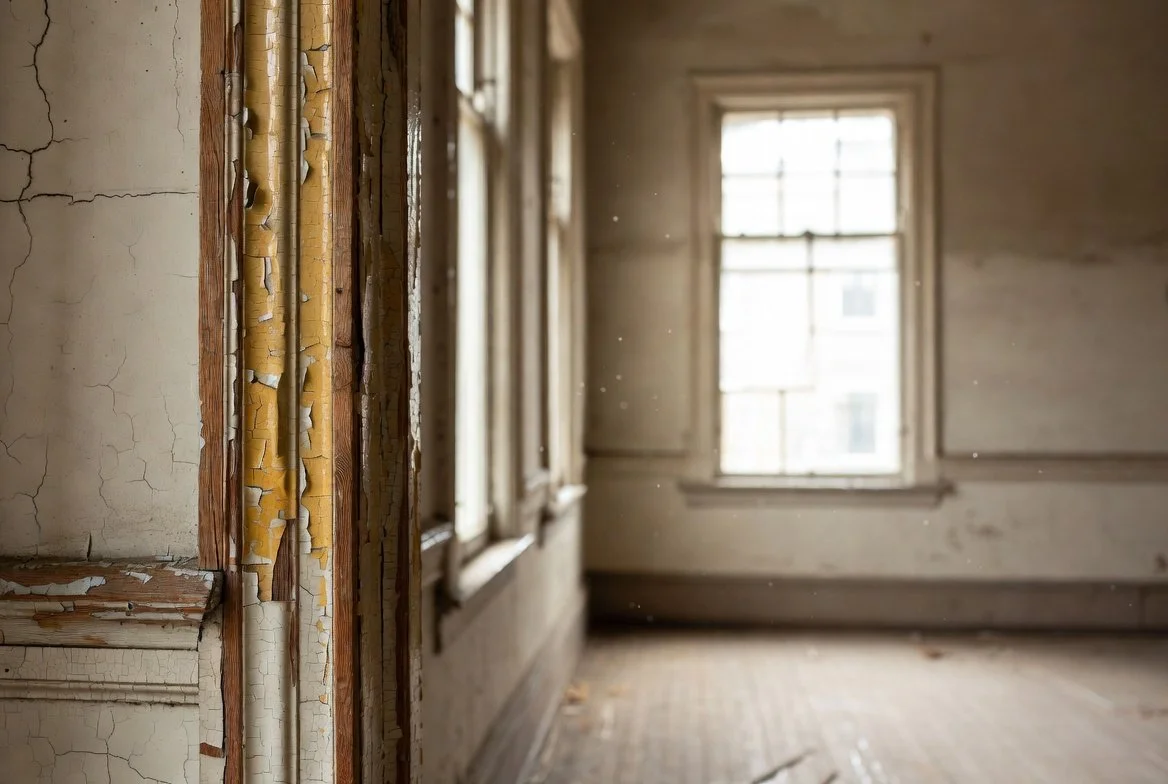
Lead was added to paint for decades because it made the finish more durable, washable, and vibrant. In the United States, consumer use of lead-based paint was banned in 1978, but millions of homes built before then still contain it. The real risk isn’t usually the paint sitting quietly on a wall — it’s when the paint deteriorates or gets disturbed and turns into dust or chips that people can ingest or inhale.
Quick Reference
Simple definition: Paint that contains lead, common in homes built before 1978
Main concern: Lead dust and chips can cause serious developmental and neurological harm, especially in young children
Top places found: Older homes — walls, windows, doors, trim, porches, and sometimes soil around the foundation
Key action: Keep surfaces in good condition; use lead-safe work practices for any renovation or repair; test when needed
Why it Matters
Lead is a potent neurotoxin. In young children, even low levels can affect brain development, leading to reduced IQ, attention problems, and learning difficulties. The effects can be permanent. Children are especially vulnerable because their brains are still developing, they absorb more lead than adults, and they often put hands and objects in their mouths.
Adults can also be harmed — high or prolonged exposure is linked to high blood pressure, kidney problems, and reproductive effects — but the biggest public-health focus is protecting kids. Lead dust from old paint is one of the main ways children in older housing still get exposed today.

Where You Can Find It
In homes built before 1978 (and especially before the 1950s–1960s, when lead levels in paint were often higher):
-
Interior and exterior walls
-
Windows, doors, and trim (friction and impact surfaces create dust easily)
-
Stair railings, porches, and painted outdoor surfaces
-
Sometimes under newer layers of paint
-
Soil around the foundation where exterior paint has weathered and flaked over years
Lead paint may be covered by newer paint. That doesn’t make the lead disappear; it just seals it temporarily. When the surface is sanded, scraped, or starts to peel, the older layers can become a problem again.
Why Lead Dust and Chips Are the Real Problem
Intact lead-based paint that’s in good condition and not being disturbed is generally considered lower risk. The hazard rises sharply when the paint breaks down or is worked on.
Friction surfaces (windows that open and close, doors that rub) and impact surfaces (doors slamming into walls, baseboards) gradually create fine lead dust. Peeling, chalking, or flaking paint produces chips and more dust. Renovation work — sanding, scraping, demolition — can release large amounts of lead dust if it’s not done with proper controls.
Young children pick up that dust on their hands from floors, windowsills, and toys, then put their hands in their mouths. They can also mouth paint chips directly. That hand-to-mouth route is the main way lead from paint gets into kids’ bodies in older housing. This is why cleaning up dust carefully and keeping painted surfaces intact matters so much.

The Simple Explanation
Lead is a heavy metal that was added to paint as a pigment and drying agent. In the U.S., the Consumer Product Safety Commission banned lead-based paint for residential use in 1978. By then, many homes already had multiple layers of it.
When lead-paint surfaces deteriorate or are disturbed, microscopic particles of lead end up in household dust and sometimes in the soil outdoors. Once lead is in the body, it’s distributed to the blood, soft tissues, and bones. In children it interferes with normal brain development. There is no known safe blood lead level in kids; lower is always better.
Lead doesn’t break down or disappear. It stays in the dust and soil until it’s properly cleaned up or removed. That’s why older housing, especially poorly maintained housing, continues to be a major source of childhood lead exposure decades after the paint ban.
Testing can identify lead-based paint (through X-ray fluorescence analyzers or lab analysis of paint chips) and lead dust (through wipe sampling). Blood tests measure recent and ongoing exposure in people.
Common Misconceptions
-
“If the paint is covered with new paint, it’s safe forever.” New paint can seal older layers temporarily, but damage or renovation can re-expose the lead.
-
“Only peeling paint is a problem.” Fine dust from friction surfaces can be an invisible hazard even when the paint looks intact.
-
“Lead paint was only used on exteriors.” It was widely used inside as well.
-
“I can just sand it off myself.” Dry sanding without proper controls can create dangerous amounts of lead dust.

What You Can Do About It
-
If your home was built before 1978, assume lead paint may be present until testing shows otherwise.
-
Keep painted surfaces in good repair — fix peeling or chipping paint promptly using lead-safe methods.
-
Before any renovation, repair, or scraping in an older home, use lead-safe work practices (or hire contractors certified in lead-safe work). The EPA’s Renovation, Repair and Painting (RRP) rule requires this for most work in pre-1978 housing.
-
Regularly clean floors, windowsills, and other surfaces with wet methods to control dust.
-
Have children tested for lead exposure if they live in or frequently visit older housing, especially if renovations are happening.
-
Consider professional lead inspection or risk assessment if you’re buying an older home, planning major work, or have young children.
Conclusion
Lead-based paint is still present in millions of homes built before 1978. The biggest risk comes from dust and chips that form when the paint deteriorates or is disturbed. Young children are the most vulnerable because lead harms developing brains. Keeping surfaces intact, cleaning up dust carefully, and using lead-safe practices during any repair or renovation are the most effective ways to reduce exposure.