
What is Lead in Drinking Water
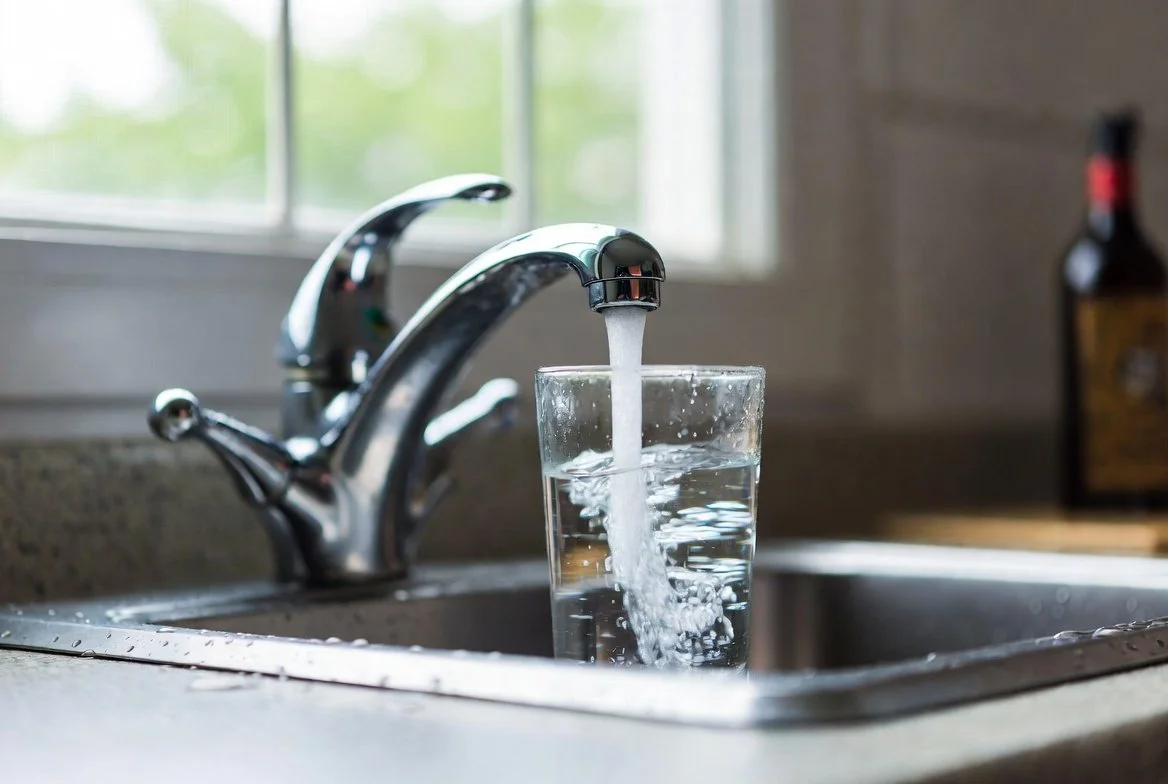
Lead in drinking water almost never comes from the water source itself. It enters the water when it passes through lead pipes, lead solder, or fixtures that contain lead. The longer water sits in contact with those materials, the more lead can dissolve into it.
Quick Reference
Simple definition: Lead that enters drinking water mainly from plumbing materials such as lead service lines, solder, and some fixtures
Main concern: Even low levels can harm children’s brain development; no amount of lead is considered safe
Top places found: Homes and buildings with older plumbing, especially those with lead service lines
Key action: Test your water if you have older plumbing; use certified filters or flushing strategies while longer-term fixes are made
Why it Matters
Lead is a neurotoxin. In children it can lower IQ, affect attention and behavior, and cause learning problems. The damage can be permanent. Pregnant people and infants are also at higher risk because lead can cross the placenta and affect the developing fetus. Adults can experience increased blood pressure, kidney problems, and other effects with higher or prolonged exposure.
Unlike some contaminants, lead in water is a plumbing problem more than a treatment-plant problem. A city can deliver water that meets standards as it leaves the plant, yet homes with lead service lines or older plumbing can still have elevated levels at the tap. That’s why testing at the faucet that people actually use matters.

Where It Comes From
The main sources of lead in drinking water are:
-
Lead service lines — the pipe that connects the water main in the street to the home. These were commonly installed before the mid-1980s (and in some places later).
-
Lead solder — used to join copper pipes until it was banned in new plumbing in 1986.
-
Brass or chrome-plated fixtures and valves — older ones (and some newer ones) can contain lead that leaches into water.
-
Galvanized pipes — can harbor lead particles that were deposited earlier from upstream lead pipes.
Soft or corrosive water (low pH or low mineral content) tends to dissolve more lead from plumbing. When water chemistry changes — for example, a new source or a change in treatment — corrosion can increase and release more lead, which is what happened in high-profile cases like Flint, Michigan.
Lead Service Lines and Corrosion Control
Lead service lines are the single largest contributor of lead in drinking water when they’re present. Water sits in the line overnight or during the day, and lead dissolves into it. The first water drawn in the morning or after a long period of non-use often has the highest concentration.
Water systems use corrosion control treatment (such as adding orthophosphate) to form a protective coating inside pipes and reduce lead release. When that treatment is done correctly and consistently, lead levels at the tap usually drop. When it fails or is disrupted, levels can rise quickly.
Full replacement of lead service lines is the permanent solution. Many cities and utilities are now inventorying and replacing them, often with federal and state funding support. Until replacement happens, point-of-use filters certified to remove lead and careful flushing practices can reduce exposure.

The Simple Explanation
Lead rarely occurs at high levels in natural source water. The problem starts when drinking water contacts materials that contain lead. The amount that ends up in the water depends on:
-
The presence of lead-containing plumbing
-
How long the water sits in the pipes
-
The corrosivity of the water (pH, alkalinity, mineral content)
-
Water temperature (warmer water usually dissolves more lead)
-
Whether a protective scale has formed inside the pipes
Lead is measured in parts per billion (ppb) or micrograms per liter. The EPA’s current action level is 15 ppb; if more than 10% of sampled taps exceed that, the water system must take additional steps. Public health agencies emphasize that there is no known safe level of lead exposure, especially for children, so lower is always better.
Lead doesn’t have a taste, color, or odor in water at the concentrations that matter for health. The only reliable way to know whether it’s present at your tap is to test.
Common Misconceptions
-
“If the city water meets standards, my tap is fine.” Lead is often added by the plumbing in the home or the service line.
-
“Boiling removes lead.” Boiling does not remove lead and can slightly concentrate it.
-
“A water softener takes out lead.” Standard water softeners are not designed to remove lead.
-
“Clear water means no lead.” Lead is invisible in water at typical concentrations.

What You Can Do About It
-
Find out whether your home has a lead service line (check with your water utility or have a plumber inspect).
-
Test your water at the tap, ideally first-draw samples after water has sat for several hours.
-
If lead is present, use a filter certified to NSF/ANSI Standard 53 or 58 for lead reduction, and follow the manufacturer’s replacement schedule.
-
Flush the tap after water has been sitting (run until cold, often 1–2 minutes or longer depending on the service line) before drinking or cooking, especially in the morning.
-
Use cold water for drinking and cooking; hot water tends to leach more lead.
-
Clean faucet aerators regularly — they can trap lead particles.
-
Support local service-line replacement programs and ask your utility about their inventory and replacement schedule.
Conclusion
Lead in drinking water comes mainly from lead service lines, old solder, and certain fixtures, not from the water source itself. It is especially harmful to children’s developing brains, and no safe exposure level has been identified. Testing at the tap, using certified filters, flushing after stagnation, and ultimately replacing lead service lines are the practical steps that reduce risk. Corrosion control by water utilities is also critical for keeping levels low while replacement work continues.