
What Is Mold?
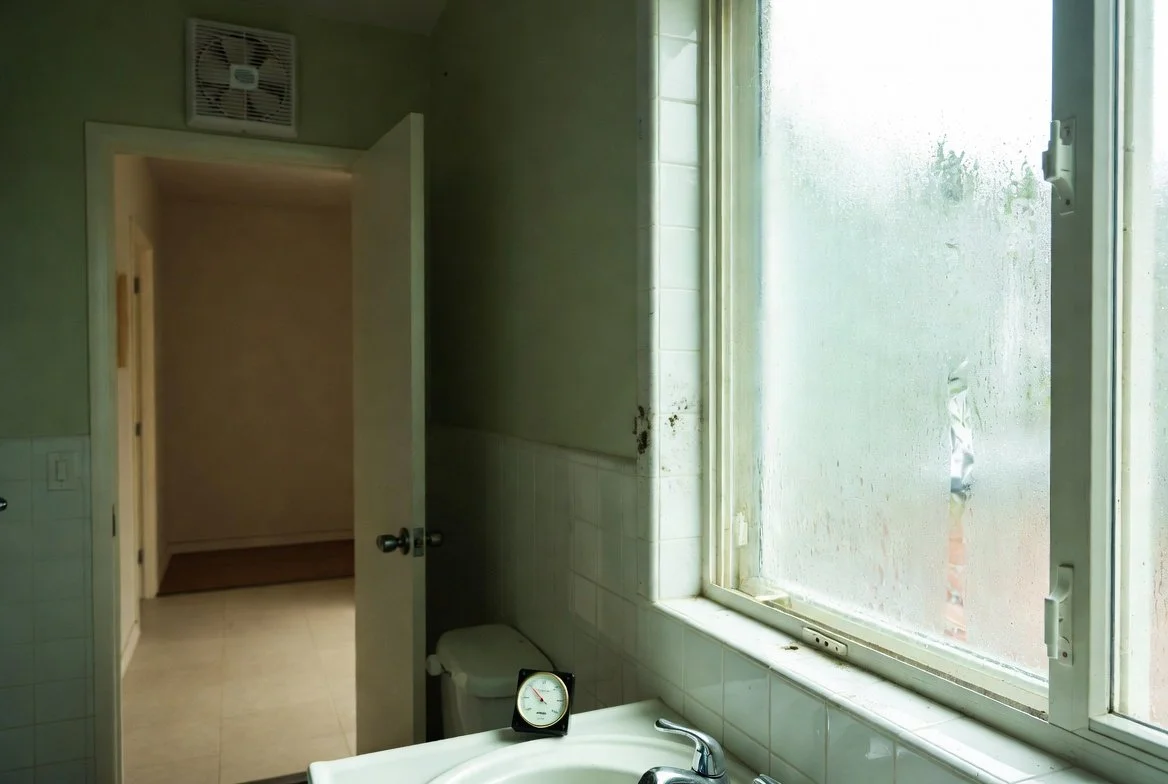
We’ve all been told that mold is dangerous and that any black spot means you need to call in the professionals and maybe even move out. Some people treat every dark smudge like a toxic emergency. Others shrug off a whole damp corner because “it’s just a little mildew.” The reality is more practical than the headlines make it sound, and understanding what mold actually is (and isn’t) makes dealing with it a lot less stressful.
Mold is a type of fungus that grows in long, thread-like structures. When those threads get dense enough, you see the fuzzy, powdery, or slimy patches we’re all familiar with. It isn’t a plant and it isn’t bacteria. Think of it as a microscopic relative of a mushroom that spreads by releasing tiny spores into the air.
Quick Reference
Simple definition: A fungus that grows in threads and releases spores when it has moisture and something organic to feed on
Main concern: Irritates airways and can worsen allergies or asthma; more serious effects are less common and usually tied to heavy, prolonged exposure
Top places found: Anywhere moisture lingers — bathrooms, basements, around leaks, poorly ventilated spaces, and water-damaged materials
Key action: Control moisture first. Cleaning is secondary. Small areas (under ~10 sq ft) can often be handled carefully by the homeowner; larger or recurring problems usually need professional help
Why it Matters
Mold needs three things: moisture, something organic to feed on, and temperatures that aren’t extreme. Your house is full of organic material — dust, wood, the paper facing on drywall, fabric, even some paints. The temperature inside is almost always comfortable for it. The only real control you have is water.
When moisture sticks around, mold grows and releases spores. For most healthy people the main issue is irritation: stuffy nose, itchy eyes, worsened allergies, or asthma that flares up more than usual. In larger amounts, or for people with weakened immune systems, the problems can get more serious. But the majority of household mold is an air-quality and comfort problem first, not an automatic toxin crisis.
Where You Find It
-
Bathrooms and kitchens where steam and small leaks hang around
-
Basements, crawl spaces, and anywhere that stays damp
-
Around windows and exterior walls that get condensation
-
Behind furniture pushed tight against cold walls
-
Inside HVAC systems and ductwork when humidity stays high
-
On ceilings under roof leaks or around plumbing
-
Outside on mulch, leaves, and shady siding (that’s normal outdoor mold)
Simple Explanation
Mold is a fungus that grows in multicellular filaments called hyphae. When enough of these filaments develop, they become visible as the fuzzy, powdery, or slimy patches people recognize. Mold reproduces by releasing microscopic spores into the air. Those spores are almost always present outdoors and indoors at low levels; they only become a problem when they land on a surface that stays damp long enough for growth to begin.
Mold needs three conditions at the same time: moisture, a food source (any organic material such as dust, wood, drywall paper, fabric, or soap residue), and a suitable temperature. Most indoor environments already provide food and comfortable temperatures, so moisture is the controlling factor. A surface that stays wet for 24–48 hours is often enough for growth to start.
Different species prefer different conditions. Some grow well in cooler basements; others thrive in warmer, steamy bathrooms. A few, such as certain Aspergillus and Stachybotrys species, can produce mycotoxins under specific conditions, but the presence of visible mold does not automatically mean toxins are being produced. Color is a poor indicator of risk — many common molds appear dark.
Porous materials (drywall, wood, ceiling tiles, carpet) can hold moisture and allow mold to grow into the material itself, making complete removal harder. Non-porous surfaces (tile, glass, metal, hard plastic) usually support only surface growth that is easier to clean. Controlling moisture remains the most effective long-term strategy because without it, mold cannot continue to grow.
Different molds prefer different conditions. Some of the most common household ones include:

-
Cladosporium: One of the most widespread molds indoors and out. It often looks olive-green to brown or black and can grow in cooler temperatures, which is why it shows up on windowsills and in less-heated spaces.

-
Penicillium: Usually blue-green or gray-green with a powdery or velvety look. It’s common on water-damaged materials and is the same group that gave us the antibiotic penicillin.

-
Aspergillus: Comes in many colors (green, yellow, brown, black, white) and textures. Some species are common in dust and HVAC systems. A few can cause problems for people with weakened immune systems, but most household encounters are more about allergy triggers than serious infection.
-
Stachybotrys chartarum (the one usually called “toxic black mold”): Dark greenish-black and often slimy when wet. This one gets its own section below because of the attention it receives.

A closer look at “Black Mold”
The fear around black mold largely traces back to a cluster of cases in Cleveland, Ohio, in the mid-1990s. Several infants developed a rare condition involving bleeding in the lungs. Investigators found that many of the affected babies lived in older, poorly maintained homes that had serious, ongoing water damage — standing water, chronic leaks, flooding, and the kinds of conditions that also attract pests. One of the molds found in higher amounts in those homes was Stachybotrys chartarum.
That story understandably made national news and cemented the idea that “black mold” equals toxic emergency. Here’s the important distinction: Stachybotrys is picky. It needs materials that stay very wet for a prolonged time — think chronically saturated drywall, ceiling tiles, or wood that has been soaked and hasn’t dried. Ordinary indoor humidity, even if it’s higher than ideal, is usually not enough on its own to support significant growth of this particular mold. It thrives in the kind of persistent wetness you get from leaks, flooding, or long-term water intrusion, not from a steamy bathroom that dries out after a shower.
Color alone doesn’t tell you what species you’re dealing with. Plenty of common molds can look dark. The presence of dark-colored growth is a signal to take moisture seriously, but it does not automatically mean you have the specific toxigenic Stachybotrys that was linked to those extreme cases.
Common Misconceptions
-
“All black mold is toxic.” Not true. Color is a poor indicator. Toxicity depends on the specific species and the conditions, not the shade.
-
“If I can’t see it, it isn’t a problem.” Mold can grow inside wall cavities, under flooring, or in ductwork long before it becomes visible.
-
“Bleach is the best way to kill it.” On non-porous surfaces, bleach can remove the visible color, but it doesn’t reliably reach the roots in porous materials, and the water in the solution can sometimes feed more growth if the area doesn’t dry completely.
What To Do About Mold
Moisture control is the real solution. Fix leaks quickly. Run exhaust fans in bathrooms and kitchens long enough to clear the humidity. Keep indoor relative humidity under about 50–55% when practical (a simple hygrometer helps). Leave a little space between furniture and exterior walls so air can move.
In the EPA’s guidance on mold cleanup, they note that when the total affected area is less than about 10 square feet, most healthy homeowners can handle the cleanup themselves with basic precautions. Ten square feet is roughly a 3-foot by 3-foot patch — about the size of a standard bathtub or a large bath towel spread out. For areas that size on hard, non-porous surfaces, scrub with soap and water (or a vinegar solution), then dry the area thoroughly. Wear gloves, eye protection, and an N-95 respirator if you’re sensitive or the growth is heavier.
Porous materials that stay soft, stained, or damaged after cleaning — things like wet drywall, ceiling tiles, or soaked carpet — are often better removed and replaced. If the area is larger than about 10 square feet, keeps coming back, involves the HVAC system, or anyone in the household has significant health symptoms that seem tied to it, it’s time to bring in people who do this work regularly, like a remediation company who handles water and mold cleanup.