
Growing Lavender: A Beginner's Guide
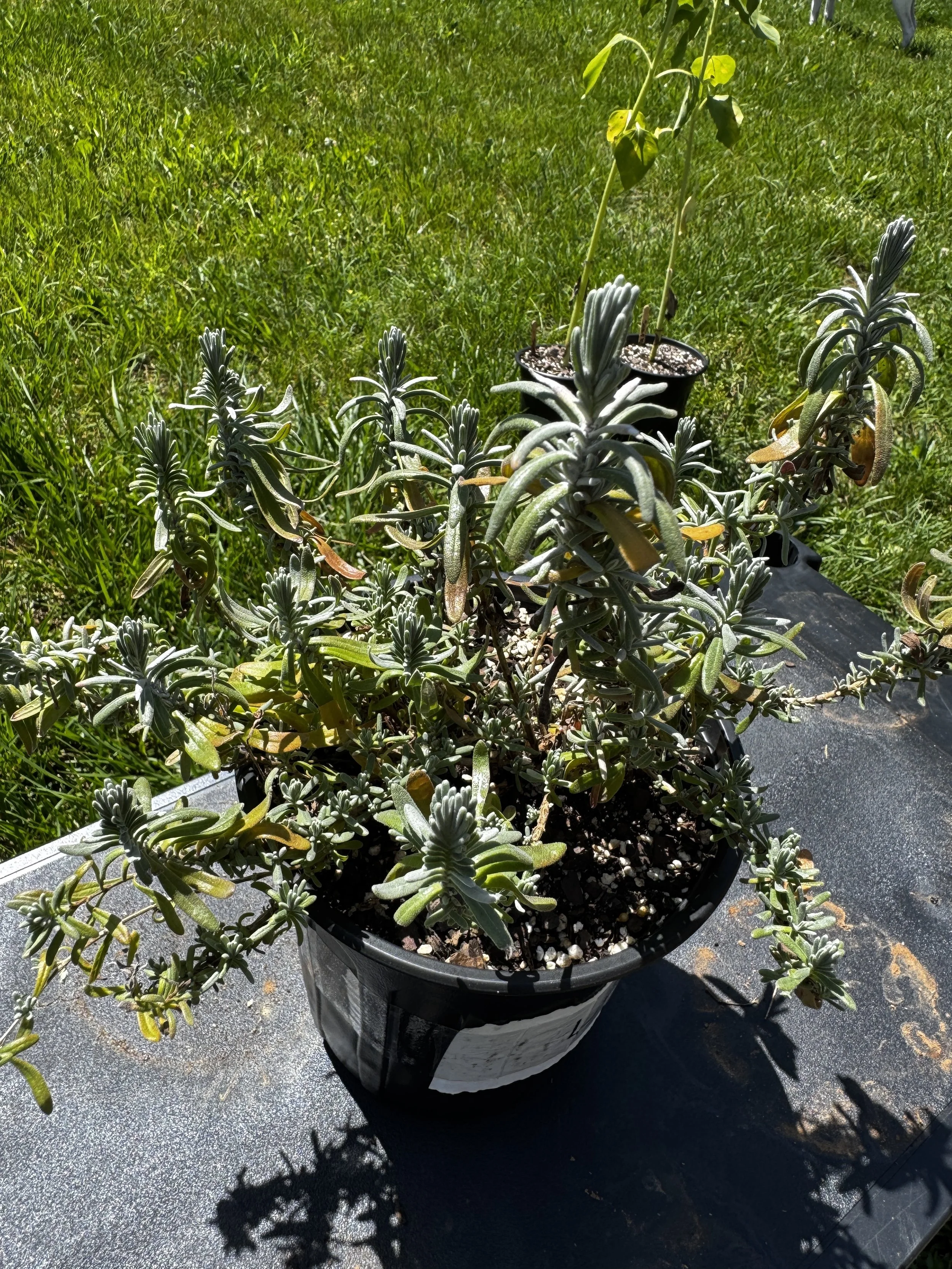
Lavender has probably been the most frustrating herb I've tried to grow. Not because it's difficult once it's established. In fact, mature lavender is surprisingly low maintenance. The frustrating part is getting from a packet of seeds to an actual lavender plant.
When I lived in Florida, I couldn't get lavender to sprout at all. I tried multiple times and never had much success. So when I moved to Virginia and finally managed to get lavender seedlings growing, I felt like I had accomplished something far more impressive than I probably should have.
If you're thinking about growing lavender, don't let that scare you away.
Lavender is absolutely worth growing. You just need a little patience in the beginning.
The scent alone makes it worthwhile. Add in the flowers, the pollinators, the culinary uses, bath products, and herbal projects, and it's easy to see why lavender has remained one of the most popular herbs in the world.
Why Grow Lavender?
I originally wanted lavender because I love the smell. Then I started finding more and more uses for it.
Lavender flowers can be used in teas, bath blends, sachets, infused oils, baked goods, soaps, and countless other projects. The plants also attract pollinators and look beautiful in the garden.
Unlike many herbs that spend most of their time looking like green bushes, lavender becomes a focal point once it starts flowering. The silver-green foliage is attractive on its own, but the flower spikes are what really make the plant stand out.
Another thing I appreciate about lavender is that it's a perennial in many climates. Once established, it can return year after year, which means you aren't starting over every spring.
Of course, before any of that can happen, you actually have to grow it.
Choosing a Lavender Variety
One of the first things I learned was that "lavender" isn't actually just one plant. The two types that most home gardeners encounter are English Lavender and Lavandin.
At first glance they look similar enough that many people don't realize there's a difference.
English Lavender
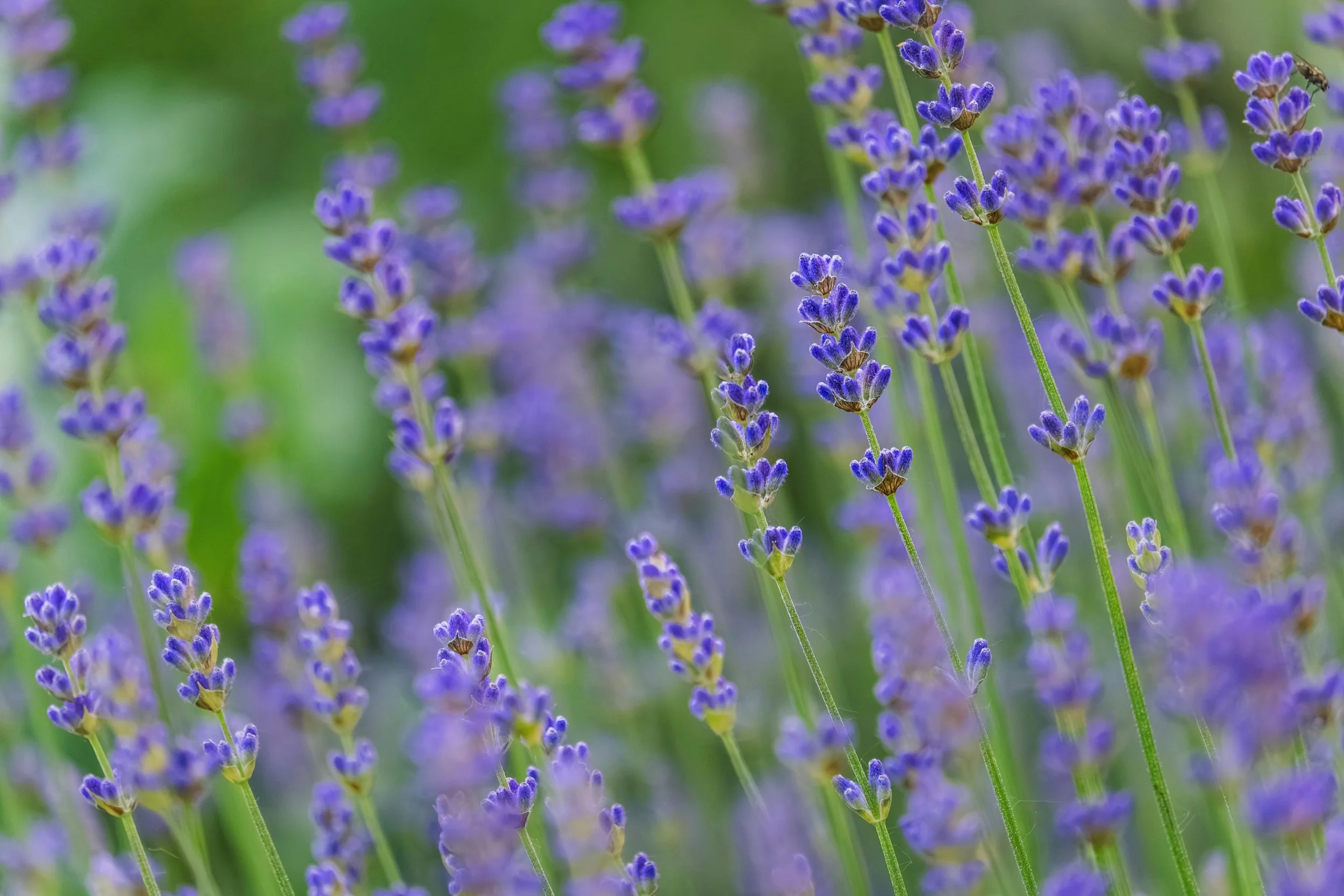
When most people picture lavender, they're usually thinking of English Lavender (Lavandula angustifolia).
This is the classic lavender you'll find in teas, baked goods, sachets, and many traditional herbal preparations. It produces narrow silver-green leaves and spikes of fragrant purple flowers that rise above the foliage during the summer.
The scent is what really sets English Lavender apart. It's sweet, floral, and immediately recognizable. If you've ever opened a bag of dried lavender flowers or walked through the soap aisle and thought, "Yep, that's lavender," there's a good chance you were smelling English Lavender.
This is also the variety I eventually decided I wanted more of after learning that my original plant was actually a Lavandin. As much as I enjoy all lavender, English Lavender was the plant I had in mind when I imagined harvesting flowers for tea and herbal projects.
English Lavender tends to stay smaller than Lavandin and usually forms neat, rounded mounds in the garden. It generally prefers cooler climates and excellent drainage, which helps explain why my attempts to grow it in Florida were less than successful.
If your goal is tea, culinary use, herbal projects, or simply growing the classic lavender most people recognize, English Lavender is usually the best place to start.
French Lavender
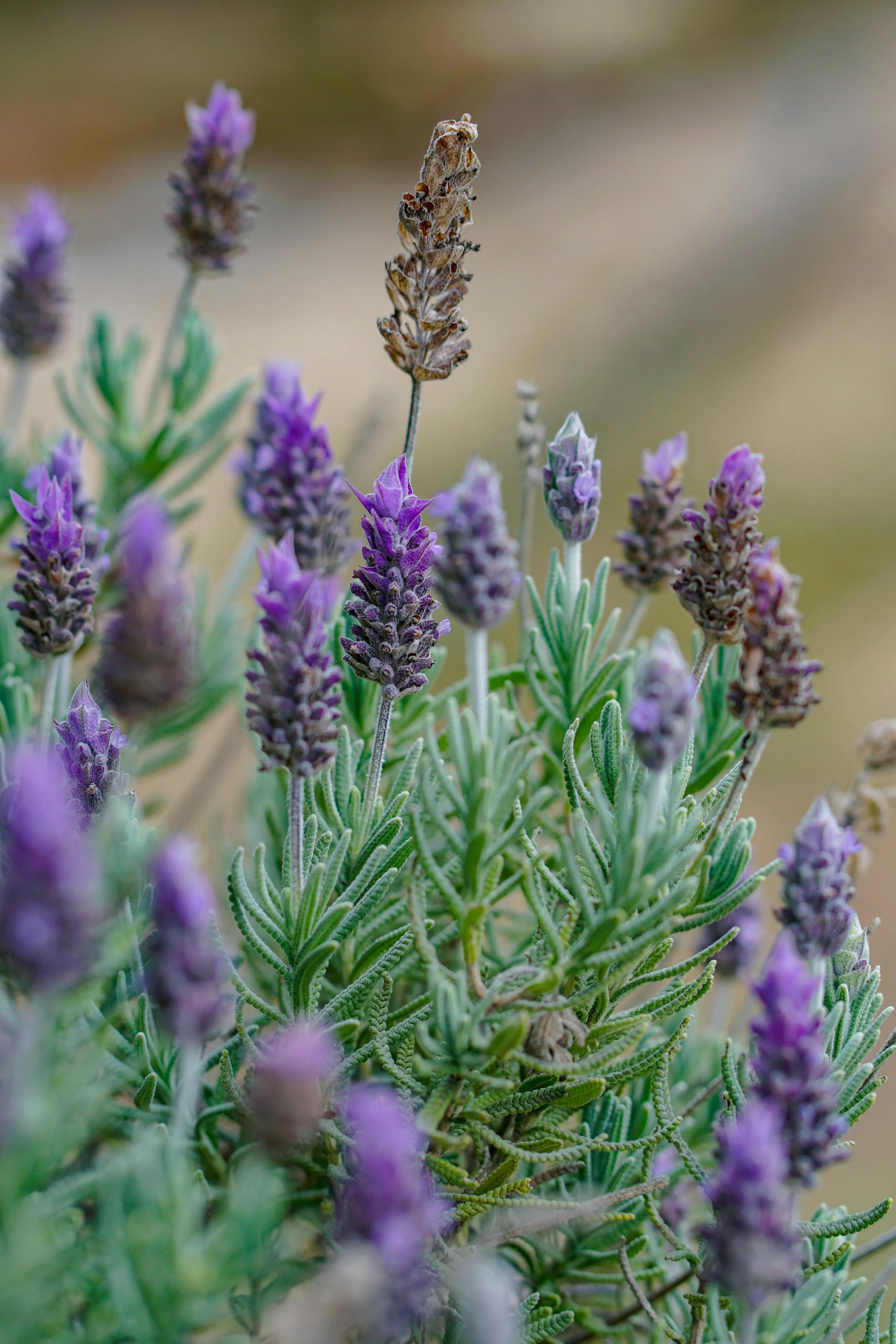
French Lavender (Lavandula dentata) is one of the more distinctive lavender species because of its foliage. The leaves have small toothed edges, which is where the species gets its name. If you've ever seen a lavender plant with silvery-green leaves that look almost serrated, there's a good chance it was French Lavender.
The flowers are typically purple and grow on tall stems above the foliage, though they tend to be less showy than some of the other lavender varieties. What French Lavender lacks in dramatic flower spikes, it makes up for with a long blooming season. In warm climates, it can flower for much of the year.
French Lavender also tends to handle heat and humidity better than English Lavender, which makes it a popular choice in southern gardens. If I had known that when I was struggling to grow lavender in Florida, I probably would have started with French Lavender instead of trying to force English Lavender to like conditions it clearly wasn't thrilled about.
The fragrance is still unmistakably lavender, though many people describe it as slightly less sweet than English Lavender.
French Lavender is often grown more as an ornamental and landscape plant than as a culinary herb, though it can still be used in many of the same ways.
Longer blooming season
Less cold hardy
Distinctive foliage
Usually grown for fragrance and appearance
Zones 8–11
Spanish Lavender
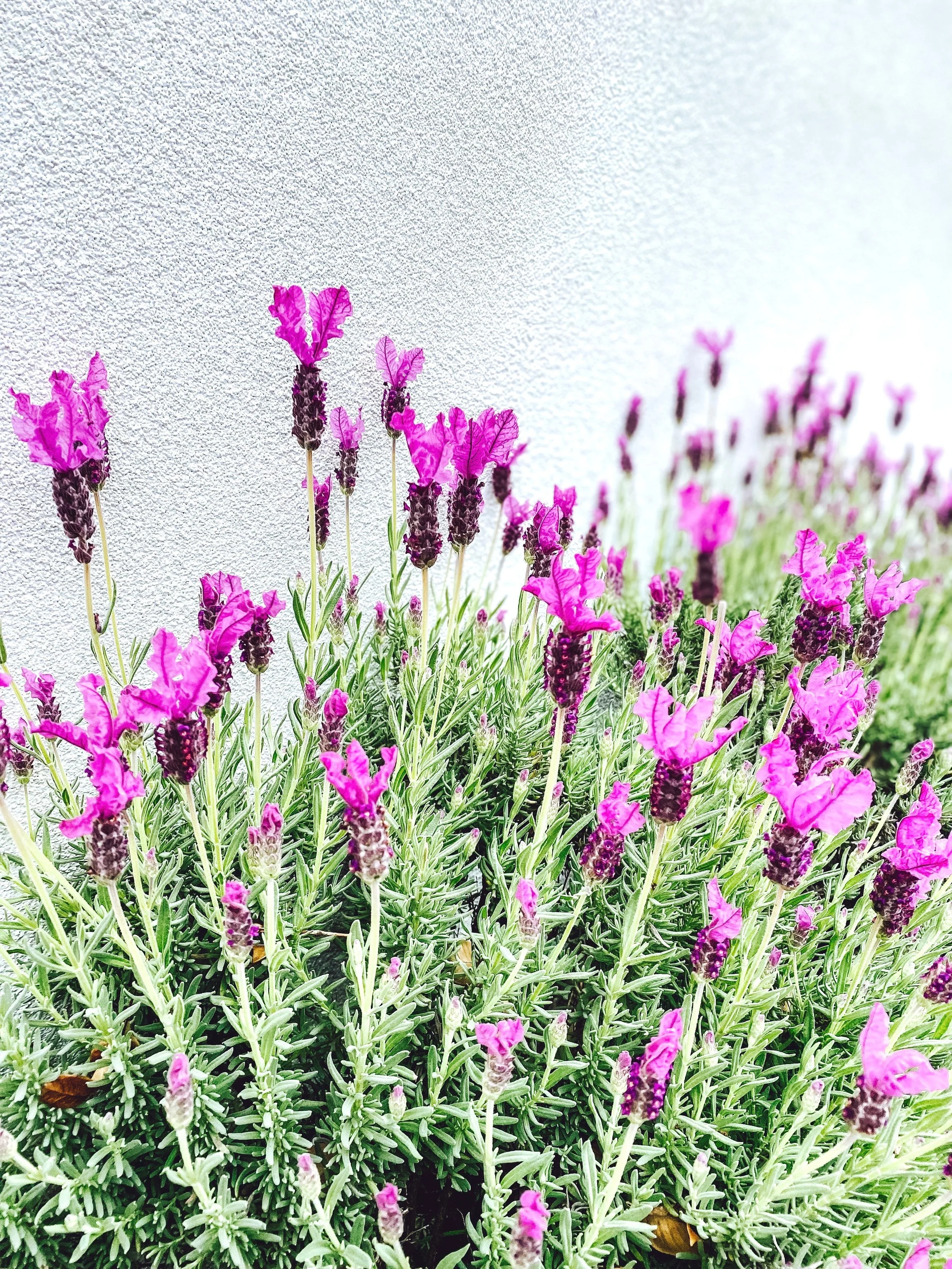
If French Lavender has unusual leaves, Spanish Lavender has unusual flowers. The first time I saw one, I honestly wasn't sure it was lavender at all.
Spanish Lavender (Lavandula stoechas) produces the familiar purple flower heads, but each flower spike is topped with colorful bracts that look almost like rabbit ears, butterfly wings, or tiny flags waving in the breeze. Once you recognize it, it's impossible to mistake for any other lavender.
Because of those unique flowers, Spanish Lavender is often grown primarily as an ornamental plant. It's one of the most eye-catching lavenders you can add to a garden and tends to become a focal point when it's in bloom.
Like French Lavender, Spanish Lavender generally tolerates heat better than English Lavender. It also tends to bloom earlier in the season and can often produce multiple flushes of flowers if deadheaded regularly.
The fragrance is still pleasant, but it's somewhat different from the classic sweet lavender scent that most people associate with sachets and culinary lavender. For that reason, Spanish Lavender is usually grown more for its appearance than for culinary use.
If your goal is attracting pollinators and creating a beautiful garden display, Spanish Lavender is hard to beat. The flowers seem to draw attention from both bees and gardeners alike.
Excellent heat tolerance
Very attractive to pollinators
Unique flower shape
Less commonly used for tea
Zones 7–10
Lavandin
My first lavender plant turned out to be a Lavandin, and I didn't even realize it at the time.
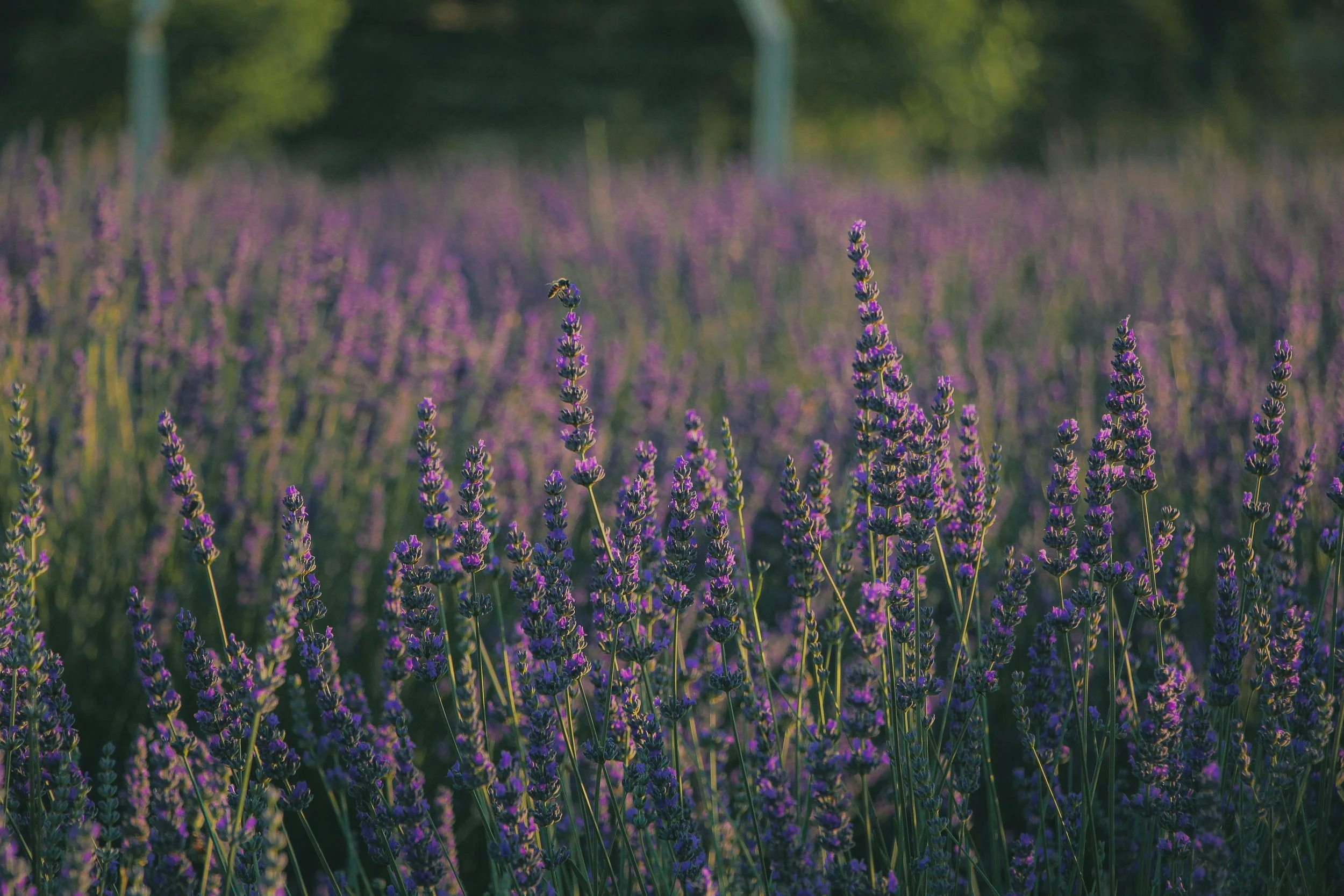
At first glance, Lavandin looks very similar to English Lavender. The leaves are similar, the flowers are purple, and the overall growth habit feels familiar. Once the plants mature, though, the differences become much more obvious.
Lavandin is a hybrid between English Lavender and Spike Lavender. It tends to grow larger, produce longer flower stems, and create more flowers overall. In the garden, it often makes a much bigger statement than English Lavender.
The fragrance is also different.
While English Lavender has a softer, sweeter scent, Lavandin is usually stronger and more intense. If you've ever smelled lavender cleaning products, candles, or essential oils, there's a good chance you were smelling Lavandin. Its higher oil content makes it a popular choice for commercial oil production, soaps, lotions, and fragrances.
Because it produces larger plants and abundant flower spikes, Lavandin can be a great choice if your goal is harvesting flowers for drying, crafting, or making sachets. The long flower stems are particularly useful for wreaths and decorative projects.
One thing I found interesting was learning that my original lavender wasn't struggling because it was unhealthy. It was simply a different type of lavender than I thought I had purchased. Once I understood the difference between English Lavender and Lavandin, a lot of the differences I was seeing in growth and appearance suddenly made much more sense.
If you're interested in fragrance, essential oils, larger harvests, or ornamental beauty, Lavandin is definitely worth considering.
Large plants
Heavy flower production
Strong fragrance
Excellent for sachets and dried arrangements
Typically grows 2–4 feet tall
How Long Until I Can Harvest Lavender?
Since this is probably the question you're really asking, let's answer it before we get into the growing details.
Seeds germinate: 2–4 weeks
Small plants establish: 2–3 months
Light harvests: First year
Full harvests: Second year and beyond
If you're growing lavender from seed, this is where patience becomes important. Unlike chamomile, which seems determined to flower as quickly as possible, lavender moves at its own pace.
Seeds can take anywhere from two to four weeks to germinate. Sometimes longer.
After germination, growth remains fairly slow for the first several months. Depending on the variety and growing conditions, you may not get significant flowering during the first year.
I know that's probably not the answer most gardeners want to hear. I didn't want to hear it either. The good news is that once lavender becomes established, it tends to reward your patience for years. Think of lavender as a long-term investment rather than a quick harvest crop.
Starting Lavender from Seed
If chamomile seeds look like dust, lavender seeds aren't much bigger. The difference is that chamomile seems eager to grow while lavender likes to make you wait.
Many gardeners cold stratify lavender seeds before planting. This simply means exposing the seeds to cold, moist conditions for a few weeks before sowing. The process mimics winter conditions and can improve germination rates.
Some gardeners skip this step and still have success. Others swear by it. Like many things in gardening, you'll find strong opinions in both directions.
I started mine indoors under grow lights and quickly learned that lavender seedlings are not something you rush. The seedlings stayed small for what felt like forever. Every time I checked on them I expected dramatic growth and got almost nothing.
Then one day I realized they were actually growing. Just very, very slowly.
Once seedlings emerge, provide plenty of light and resist the urge to overwater them. This is where many new lavender growers run into trouble. Lavender would much rather be slightly dry than constantly wet.
When to Start Seeds
If you're planning to grow lavender from seed, start earlier than you think you need to.
Most herbs are fairly forgiving if you're a week or two late getting seeds started. Lavender isn't one of them. It grows slowly, especially in the beginning, and benefits from having a long head start before it's moved outside.
I usually start my lavender indoors about 10 to 12 weeks before my last expected frost date. That sounds like a long time, but once you see how slowly those little seedlings grow, it starts to make sense.
The first year I grew lavender, I kept comparing it to basil and chamomile. Every time I walked by the seed trays, I expected to see dramatic growth. Instead, it felt like the plants spent several weeks thinking about growing before actually doing it.
Patience becomes part of growing lavender.
Germination
One of the biggest mistakes you can make with lavender is assuming the seeds aren't viable because nothing has happened after a week.
Lavender isn't basil.
It isn't cucumber.
It certainly isn't a bean.
Lavender likes to take its time.
Most seeds germinate somewhere between 14 and 28 days, though I've seen some take even longer. Because of that, I try not to give up on a tray too quickly. If the soil is still being kept lightly moist and the conditions are good, I'll continue waiting.
Sometimes I do end up replanting if nothing appears after several weeks, but I've learned not to be too quick about it. Lavender has surprised me more than once.
Germination Temperature
Lavender generally germinates best when soil temperatures stay between 65°F and 75°F.
A heat mat, like this one on Amazon, can help if you're starting seeds in a cool room, though I haven't always found it necessary. My seedlings were started in the basement during winter, and while growth wasn't particularly fast, they eventually came up just fine.
The biggest thing I've noticed is consistency. Lavender seems happier when temperatures stay relatively stable rather than swinging dramatically from day to day.
Light Requirements
Once the seedlings emerge, they need plenty of light.
I aim for around 14 to 16 hours per day under grow lights. The lights are kept a few inches above the plants and adjusted as they grow.
One thing I've learned from starting herbs indoors is that most seedlings would rather have more light than less. Lavender is no exception.
When the lights are too high, the seedlings start stretching toward them. The stems become thin and weak, and the plant spends more energy trying to reach the light than it does building a healthy root system.
I made this mistake with several herbs when I tried fitting too many trays under one light. The lavender wasn't thrilled about that arrangement.
Why Some Gardeners Buy Plants Instead
After growing lavender from seed, I completely understand why so many gardeners simply buy a plant from the nursery.
If you only want one or two lavender plants, purchasing an established plant is often the easiest route. You'll skip months of waiting and have a much better chance of seeing flowers sooner.
That said, I still enjoy growing lavender from seed.
Part of gardening for me is learning the entire life cycle of the plant. There's something satisfying about seeing a tiny seed eventually become a mature shrub covered in flowers.
Even if lavender occasionally tests my patience.
Hardening Off
Before moving lavender outside permanently, it needs some time to adjust.
Life indoors is pretty comfortable. There's no wind, no heavy rain, no intense sunlight, and temperatures stay relatively stable. Moving directly from a grow light to full sun can be a shock for young plants.
I usually start by placing my seedlings outside in a shaded area for a few hours during the afternoon. Over the next week or so, I gradually increase both their sun exposure and the amount of time they spend outdoors.
I also pay attention to the weather.
If we're expecting strong winds, cold nights, or heavy rain, I wait. Small lavender seedlings may be tougher than they look, but there's no reason to make life harder than it needs to be.
When to Transplant
I wait until frost danger has passed and the seedlings have developed several sets of true leaves before transplanting. Lavender also appreciates having a decent root system before being moved. If the plant still looks tiny and delicate, I usually give it a little more time.
Spacing is one area where gardeners tend to underestimate how large lavender can become. English Lavender generally needs about 18 to 24 inches of space. Spanish Lavender also benefits from 18 to 24 inches. French Lavender and Lavandin often grow larger and should be given 24 to 36 inches.
When you're planting small seedlings, this spacing can feel excessive. Six months later, you'll understand why it's recommended.
Good airflow helps reduce disease issues and keeps the plants healthier overall.
Transplant lavender when:
Frost danger has passed.
Plants have several sets of true leaves.
Roots are established.
Space plants:
English Lavender: 18–24 inches apart
French Lavender: 24–36 inches apart
Spanish Lavender: 18–24 inches apart
Lavandin: 24–36 inches apart
Lavender appreciates good airflow, so don't crowd plants together.
Sunlight
If there's one thing lavender absolutely refuses to compromise on, it's sunlight. Give it the sunniest location you have. Six hours of direct sunlight is generally considered the minimum, but eight or more hours is even better.
One of the biggest improvements I saw in my own plants happened when I started getting them outside more often. Even when they were only spending part of the day outdoors, they seemed happier than they were under lights in the basement.
The foliage looked healthier, growth improved, and the plants generally seemed more interested in being alive.
Soil
This is probably the most important section in the entire lavender guide.
Most gardening mistakes with lavender come back to soil and drainage. When I first started growing lavender, I treated it like basil. Rich soil. Plenty of water. Consistently moist conditions.
Lavender hated that plan.
Lavender evolved in rocky Mediterranean soils where water drains quickly. The roots want moisture, but they also want air. If the soil stays wet for too long, problems usually follow.
When growing in containers, I like adding perlite and other materials that improve drainage. My goal isn't to create a desert. It's to create soil that can hold some moisture while still allowing excess water to move through quickly.
The biggest threat to lavender isn't drought. It's wet roots.
Fertilizer
Lavender is one of those plants that reminds me that more isn't always better. Many gardeners assume fertilizer automatically means more growth and better flowers. With lavender, too much fertilizer often produces the opposite result.
The plant may grow lots of leaves but produce fewer flowers. The fragrance may be weaker. Stems can become softer and less sturdy. I generally focus on good soil and compost rather than regular fertilizing. Most of the time, lavender seems perfectly content without much additional feeding.
Water
Learning how to water lavender properly has probably been my biggest challenge.
The soil would start looking dry and I'd immediately reach for the watering can. Lavender would have preferred that I didn't.
Newly planted lavender does need regular watering while establishing roots. Once established, though, it becomes surprisingly drought tolerant. These days I water deeply, allow the soil to dry somewhat, and then water again. If the soil is still damp below the surface, I wait.
The plants have been much happier since I stopped trying to rescue them from droughts they weren't actually experiencing.
Container Size
Lavender can grow quite well in containers, but drainage matters far more than container size.
Young plants do well in one-gallon pots while they're getting established. As they mature, I prefer moving them into containers in the three to five gallon range.
I particularly like the idea of terra cotta pots because they allow moisture to evaporate through the sides of the container. But right now my lavender is going to be housed in a 5 gallon bucket as it might be moving around quite a bit. Anything that helps prevent soggy soil is usually a good thing when growing lavender.
Whatever container you choose, make sure it has plenty of drainage holes. Lavender would rather have a smaller pot with excellent drainage than a large pot that stays wet.
My Experience
When I first started growing lavender, I treated it like basil.
That was a mistake.
I watered it almost daily, worried every time the soil looked dry, and generally fussed over it far more than necessary.
The plants did much better once I mostly left them alone. They also did better when I learned that they need patience more than anything. I wanted the pretty purple flowers to use in tea and herb remedies that I was trying to push it too fast. Once I realized I was playing the long game, it started growing better.
Lavender is one of those herbs that tends to thrive when you stop trying to make conditions perfect.
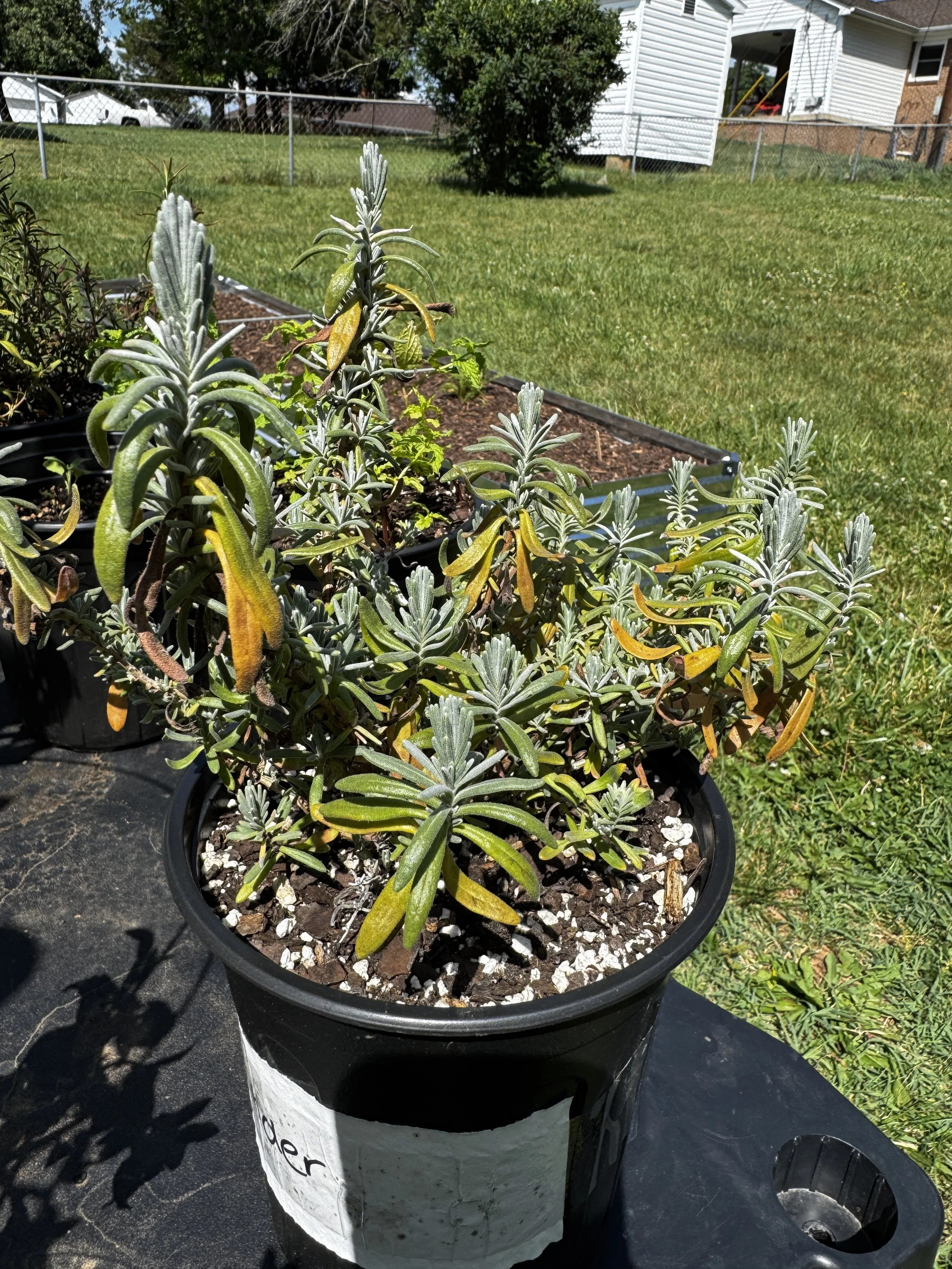
I started my lavender in my basement in the winter. It grew, but it was always looking like it was stressed out. This spring, I started putting all my plants outside as soon as I could, even if it was only for a couple of hours. Even watering it daily, it still did better outside than it did in my basement under grow lights. Once I chilled out on the watering and let it dry out more often, I stopped seeing as many yellow/orange leaves and noticed some new growth coming in. I am hoping to see flowers this year, but I may have to wait another year. Patience young grasshopper.
Common Problems
Seeds Won't Germinate
If you've been staring at a tray of lavender seeds for two weeks and nothing has happened, don't panic.
Lavender is one of the slowest herbs I've grown from seed. While basil seems determined to sprout the moment it touches soil, lavender likes to make you wait and question whether you did something wrong.
Sometimes you didn't do anything wrong. Sometimes it's just being lavender.
I keep the soil lightly moist and try to be patient. That's easier said than done. There have definitely been times where I convinced myself the seeds weren't viable, replanted them, and then ended up with both batches germinating.
One thing I've found helpful is planting two or three seeds per pot instead of relying on a single seed. Germination rates can be inconsistent, and I'd rather thin seedlings later than stare at an empty pot wondering what happened.
Yellow Leaves
If I had to pick one problem I've personally dealt with the most, it would probably be yellowing leaves.
The frustrating thing is that my first instinct is always to water more when a plant looks unhappy. With lavender, that's often the exact opposite of what it needs.
Most yellowing I've seen has been related to overwatering or poor drainage. Once I started letting the soil dry more thoroughly between waterings, the plants seemed much happier. The yellow and orange leaves became less common, and I started noticing healthier new growth.
I'm still working on this one. Lavender and I continue to have ongoing discussions about how much water is actually necessary.
Lavender usually wins.
Poor Flower Production
One of the hardest parts about growing lavender is that it takes time.
When you're growing tomatoes, beans, or cucumbers, you get relatively quick feedback. Lavender doesn't work that way. It often spends its first year focusing on roots and foliage rather than producing lots of flowers.
If your plant isn't flowering heavily, the cause is often one of three things:
Not enough sunlight
Too much fertilizer
The plant simply isn't mature yet
That last one can be frustrating because there isn't really a fix beyond patience. I would love to tell you there's a secret trick that makes lavender bloom faster. Unfortunately, the plant has its own schedule.
Woody Plants
As lavender gets older, you'll notice that the lower portions of the stems gradually become woody. This is completely normal and happens to almost every mature lavender plant.
The first time I saw pictures of older lavender plants, I assumed something was wrong with them. It turns out that's simply part of growing a small perennial shrub.
Regular pruning can help encourage fresh growth and maintain a more compact shape. Harvesting flower stems also encourages new growth throughout the growing season.
That said, don't get too aggressive.
The woody portions provide the structure that supports the plant. If you remove too much growth at once, you can end up doing more harm than good.
Lavender is one of those plants that benefits from a little maintenance but doesn't appreciate being butchered.
Harvesting Lavender
Harvesting is the part I've been looking forward to since planting my first seeds.
After months of watching tiny seedlings slowly become actual plants, finally cutting fragrant flower stems feels like reaching the finish line.
The best time to harvest is usually when the first flowers on the spike begin opening. This is often when the fragrance is strongest and the volatile oils are at their peak.
I prefer harvesting in the morning after the dew has dried but before the afternoon heat arrives. The flowers seem fresher, and honestly, it's a lot more pleasant than standing outside harvesting herbs in ninety-degree weather.
When harvesting, cut the stems several inches below the flower spike while leaving plenty of healthy green growth behind.
One rule I try to follow is never harvesting more than about one-third of the plant at a time. It can be tempting to take everything that's ready, especially if you're planning to dry it, but leaving enough foliage behind allows the plant to continue growing and producing more flowers throughout the season.
At least that's the theory.
I'll let you know how good I am at following that advice once my plants finally decide to flower.
Drying and Storing Lavender
One of the reasons lavender has remained popular for centuries is that it's incredibly easy to preserve.
Unlike some herbs that seem determined to mold before they finish drying, lavender generally cooperates.
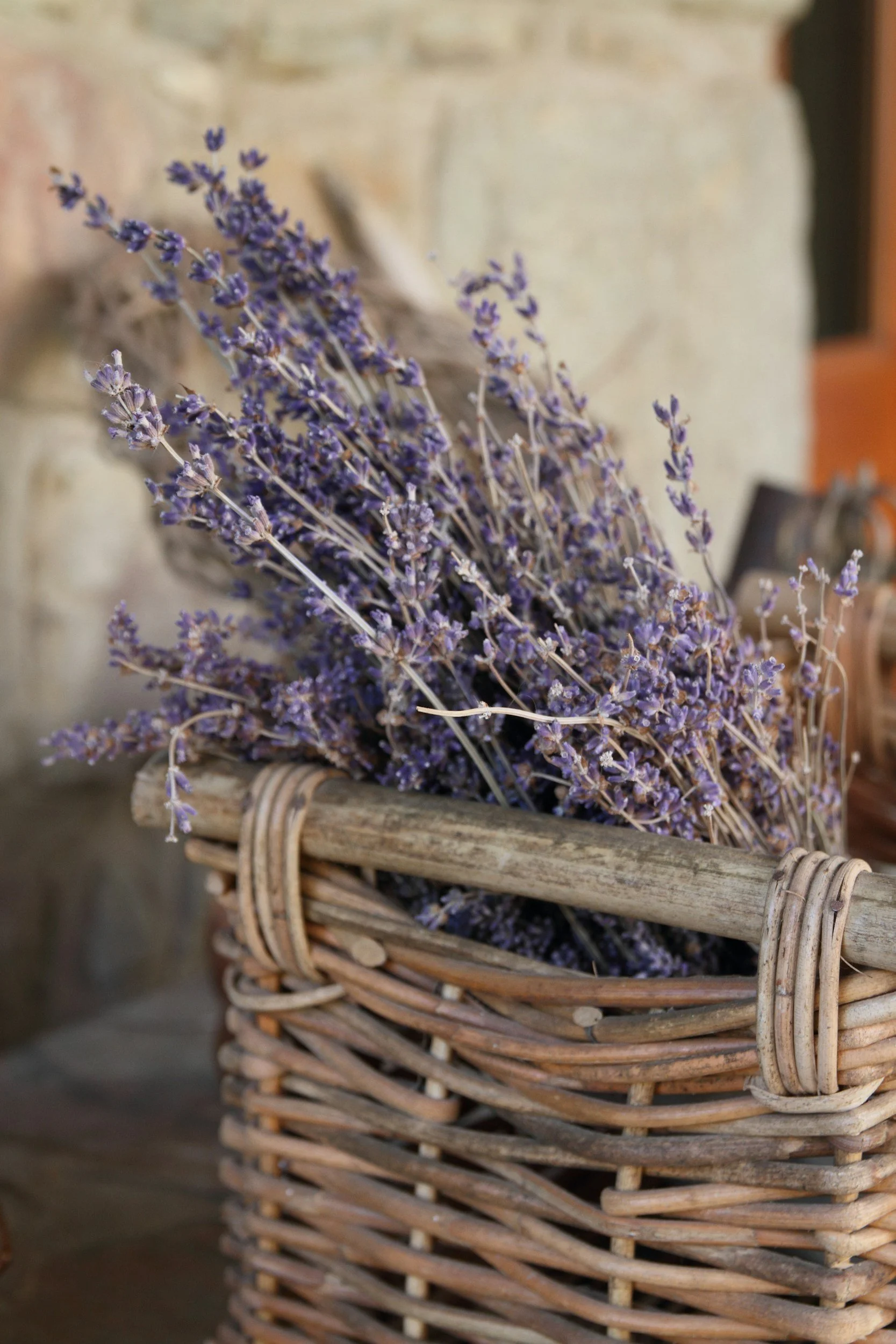
After harvesting, gather a handful of stems together and secure them with a rubber band or piece of twine. Hang the bundles upside down in a warm location with good airflow and keep them out of direct sunlight.
How long drying takes depends a lot on humidity. In drier climates, lavender may be ready in a week or two. Here in Virginia, where humidity likes to make itself everyone's problem, it often takes a bit longer.
The flowers are ready when they feel dry and crisp and easily separate from the stems.
Once dry, I store them in airtight jars away from sunlight, moisture, and heat. Properly stored lavender can hold its fragrance for a surprisingly long time. In many cases, it will still smell wonderful a year later when the next harvest season rolls around.
Traditional Uses of Lavender
Most people think of relaxation when they think of lavender. There's a good reason for that.
For generations, lavender has been used in teas, bath preparations, sachets, infused oils, pillows, soaps, and countless other household and herbal projects. It's one of the most versatile herbs you can grow.
While many people enjoy lavender tea, that wasn't actually what first attracted me to the plant. I wanted it for the scent. There is just something about walking past a lavender plant and catching that fragrance in the air that makes the garden feel complete.
Of course, once you start growing lavender, it's hard not to find more uses for it.
The flowers can be added to tea blends alongside herbs such as chamomile, lemon balm, rose, and passionflower. They can be used in bath salts, bath teas, infused oils, soaps, lotions, and salves. The dried flowers also make excellent sachets for drawers, closets, and linen cabinets because they hold their scent so well.
One of the things I appreciate most about lavender is that a single harvest can serve multiple purposes. Some flowers can become tea. Others can go into a bath blend. A few might end up in a sachet tucked into a drawer.
It's one of the few herbs where it feels like every part of the harvest eventually finds a use.
If you'd like to learn more about the compounds responsible for lavender's distinctive aroma and traditional uses, be sure to read my companion article, What Makes Lavender Work? There I'll take a closer look at the terpenes, volatile oils, and phytotherapy behind one of the world's most beloved herbs.
Ways to Use Lavender:
Now that you've grown, harvested, and dried your lavender, here are a few ways to put it to use:
Browse all lavender articles →
Final Thoughts
If chamomile taught me that gardening doesn't have to be complicated, lavender taught me patience.
It's slower. It's pickier. It spends a lot of time looking like it's not doing much of anything.
And then one day you notice new growth.
A few weeks later, the plant is larger than you remember. Eventually, if you've been patient enough, you get flowers.
Lavender isn't the herb I'd recommend to someone looking for instant results. It asks for a little trust and a little patience. In return, it can provide years of fragrance, pollinator activity, flowers, and harvests.
Give it plenty of sun. Let the soil drain well. Resist the urge to water every time it looks slightly dry. Most importantly, don't fuss over it too much.
Lavender usually knows what it's doing better than we do.