
Chamomile Bath Tea
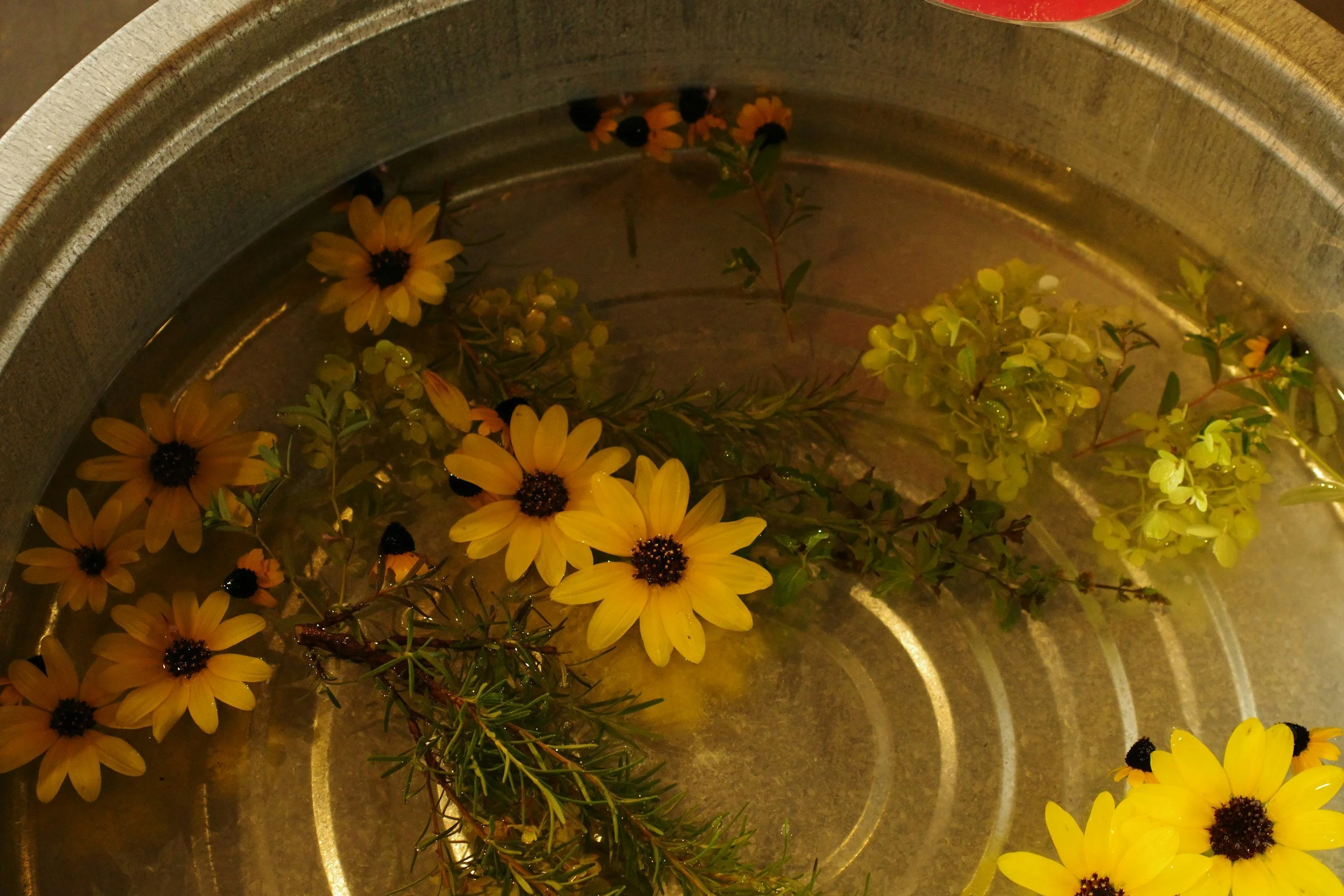
A warm bath has long been one of the simplest ways to unwind after a busy day. Long before modern wellness trends popularized self-care routines, people throughout the world used herbs in baths, washes, and soaks as part of everyday life. While herbal teas often receive the most attention today, many traditional herbal preparations were intended for external use rather than internal consumption.
Chamomile Bath Tea is one of the easiest herbal bath preparations to make at home. Unlike bath bombs, synthetic fragrances, or heavily scented products, a bath tea uses whole dried herbs steeped directly in the bath water. The result is a gentle, natural experience that allows you to enjoy the aroma and beauty of the herbs themselves.
Chamomile has been associated with relaxation and comfort for generations. Combined with lavender, it creates a soothing bath blend that feels both luxurious and practical. The warm steam releases the herbs' natural fragrance into the air, creating an atmosphere that encourages slowing down and setting aside the stresses of the day.
One of my favorite things about herbal bath teas is that they provide another way to use herbs from the garden. Many gardeners grow chamomile and lavender for tea, pollinators, or simply because they are beautiful plants. A bath tea offers an entirely different way to enjoy your harvest while creating a simple ritual of relaxation.
Unlike essential oils, which are highly concentrated extracts, whole-herb bath teas are gentle and approachable. They require no special equipment, no complicated preparation, and only a handful of dried herbs to create something that feels special.
Whether you're preparing for a restful night, recovering from a long day in the garden, or simply looking for a way to slow down and reconnect with nature, this Chamomile Bath Tea is an easy place to begin.
Why You'll Love This Bath Tea
Uses simple dried herbs
Easy to prepare
Naturally fragrant
Great use for garden-grown herbs
Creates a relaxing evening ritual
Makes a thoughtful handmade gift
Ingredients
½ cup dried chamomile flowers
¼ cup dried lavender flowers
Muslin bag, cotton tea bag, or cheesecloth
Directions
Place the chamomile and lavender into a muslin bag or tie them securely inside a square of cheesecloth.
Fill your bathtub with warm water.
Add the herbal sachet to the bath.
Allow the herbs to steep for several minutes before entering the bath.
Squeeze the sachet occasionally to help release more of the herbal infusion.
Soak for 20–30 minutes.
For a stronger herbal infusion, steep the herbs in a large bowl or pot of hot water for 20 minutes before adding the strained liquid to the bath.
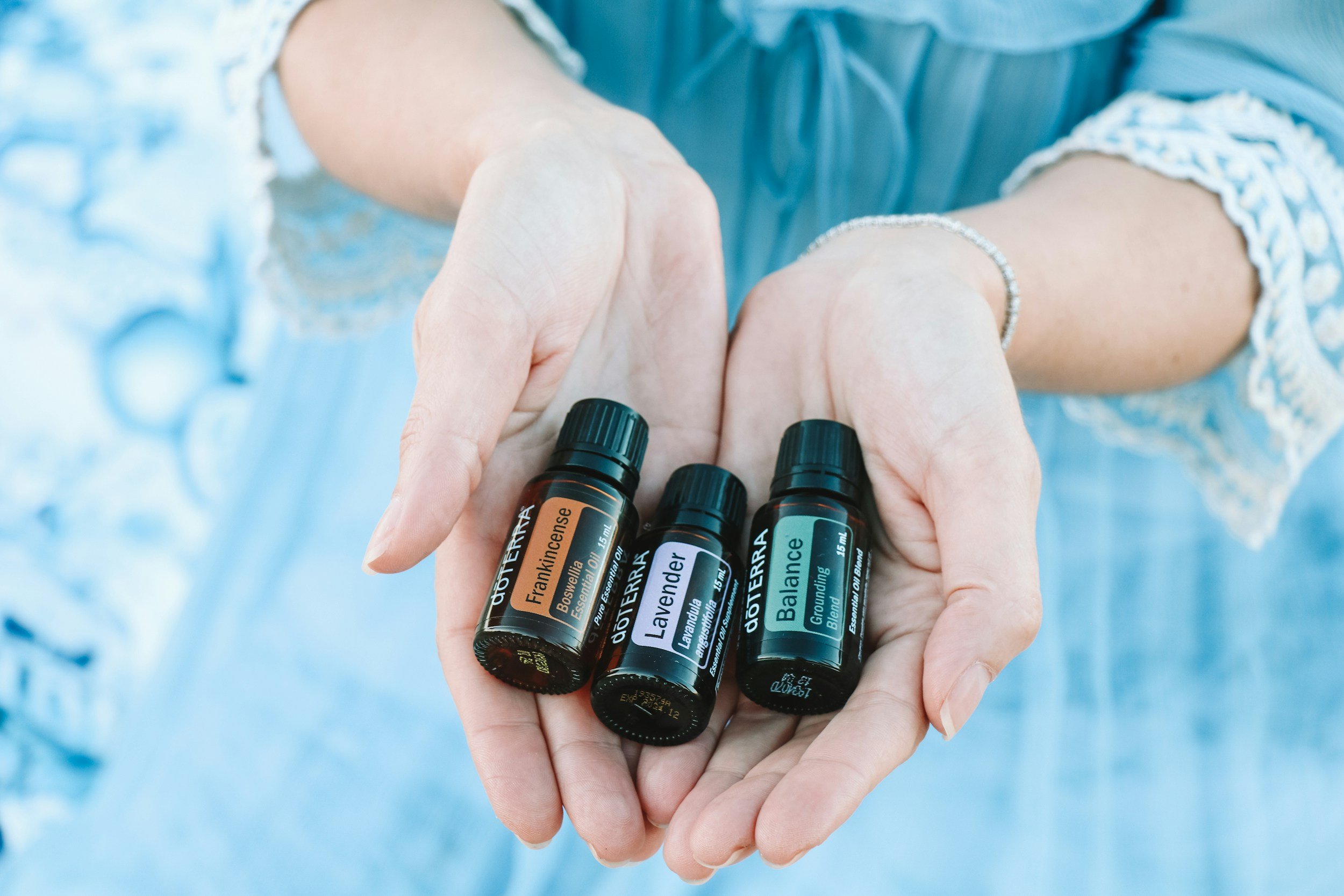
Why Use a Bath Tea Instead of Essential Oils?
Many people assume essential oils are the only way to create an herbal bath, but whole herbs offer several advantages.
Bath teas are generally easier to prepare and often less expensive. They provide a more subtle aroma and allow you to work directly with the plants themselves rather than concentrated extracts.
Using whole herbs can also be a wonderful way to appreciate the beauty and character of the plants you've grown and harvested yourself.
For many herbalists, working with whole herbs helps maintain a stronger connection to traditional herbal practices.
Traditional Herbal Uses
Chamomile has long been used in baths, washes, compresses, and teas. Traditional herbalists frequently included chamomile in preparations intended to promote relaxation and comfort.
Lavender has a similarly long history of use in bathing traditions. Its pleasant aroma has made it a favorite addition to soaps, bath blends, sachets, and household products.
Together, these herbs create a classic combination that remains popular in modern herbalism.
What Makes This Blend Special?
Chamomile
Chamomile provides the foundation of this bath tea. Its flowers contain aromatic compounds responsible for its distinctive scent and traditional reputation as a relaxing herb.
Lavender
Lavender contributes its familiar floral fragrance and helps create the soothing atmosphere many people associate with herbal baths.
Warm Water
Perhaps the most important ingredient is one we often overlook. Warm water itself has been used for comfort and relaxation throughout human history.
The combination of warmth, herbal aroma, and intentional quiet time creates an experience that is often greater than the sum of its parts.
Creating an Evening Ritual
One reason herbal baths remain popular is that they encourage us to slow down.
Many of us move from one task to another without creating a clear transition between work, responsibilities, and rest. An herbal bath can serve as a signal that the day is winding down.
Consider pairing your bath with:
A cup of herbal tea
Soft lighting
A favorite book
Relaxing music
Quiet reflection or journaling
These small rituals can help transform an ordinary bath into a meaningful part of your evening routine.
Growing Herbs for Bath Teas
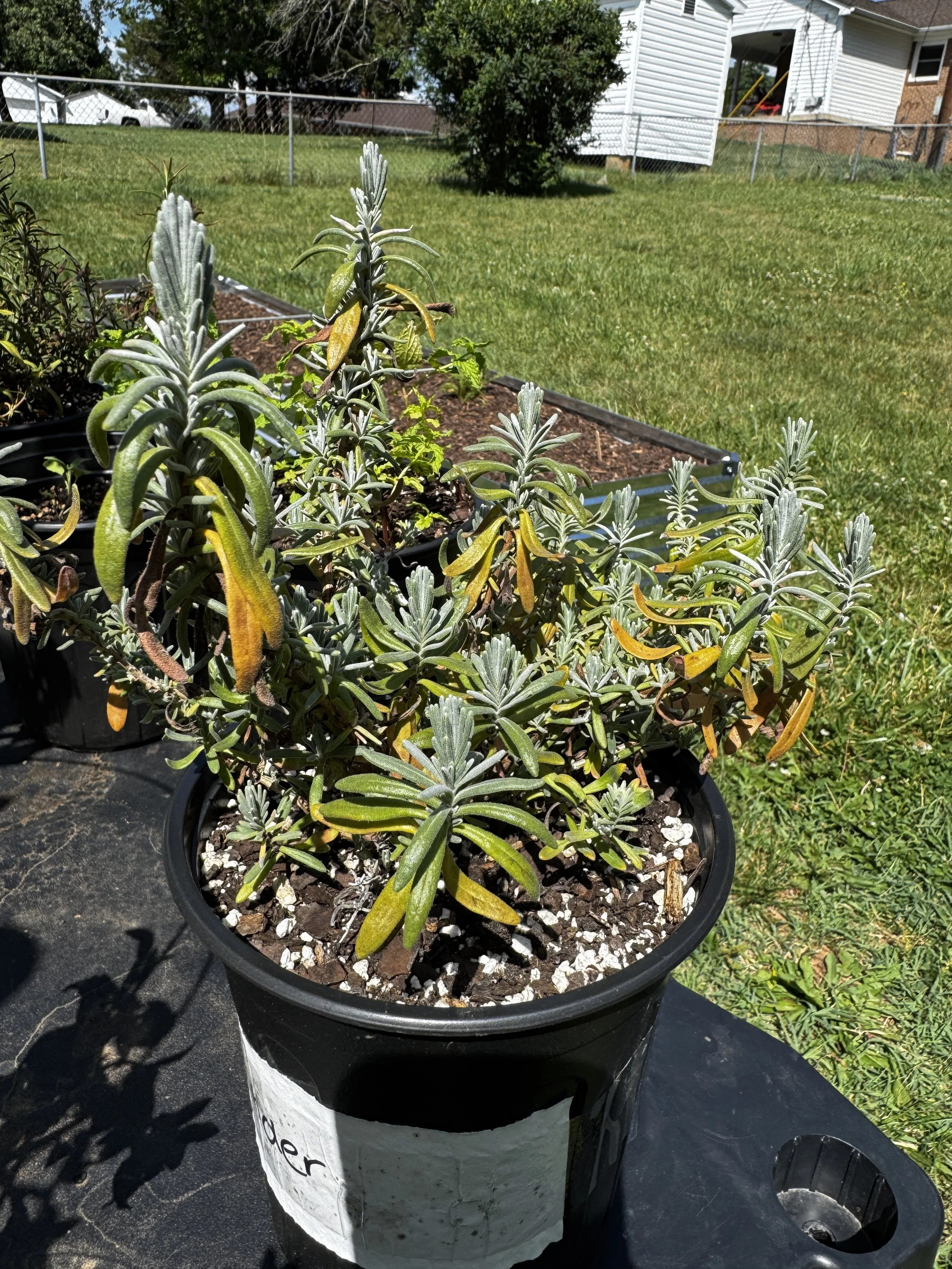
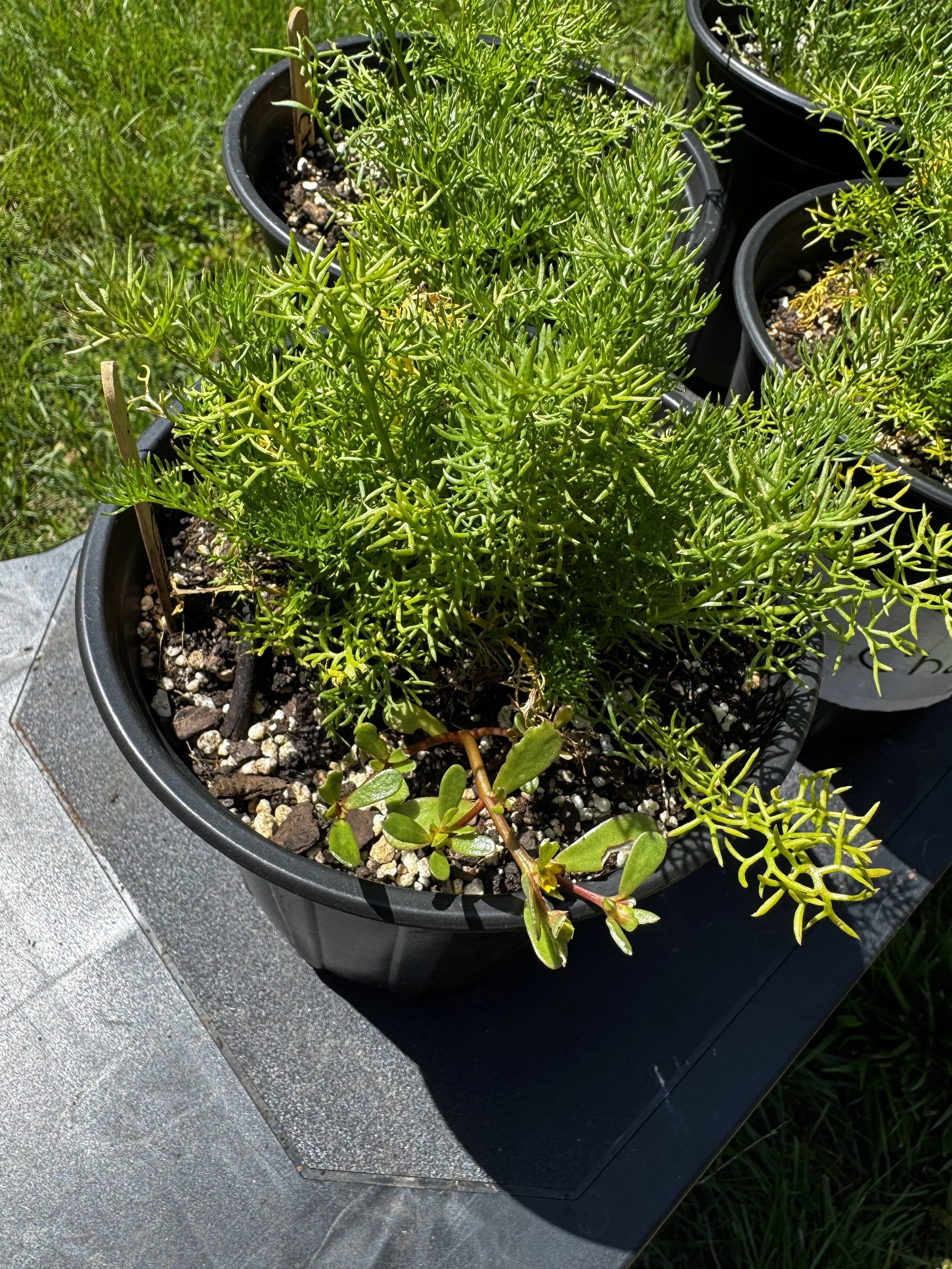
Chamomile and lavender are both excellent additions to the home herb garden.
Chamomile
Chamomile produces an abundance of flowers throughout the growing season and is easy to harvest and dry.
Lavender
Lavender requires patience to establish but rewards gardeners with fragrant flowers that can be used in countless herbal projects.
Even a small garden can produce enough herbs for many bath teas throughout the year.
Variations
Rose and Chamomile Bath Tea
Add ¼ cup dried rose petals for a floral variation.
Garden Relaxation Bath
Add lemon balm and lavender alongside the chamomile.
Oat and Chamomile Bath
Mix in ½ cup finely ground oats for a soothing bath blend.
Mint Garden Bath
Add a small amount of peppermint for a refreshing summer soak.
Storage
Store dried herbs in airtight containers away from direct sunlight, heat, and moisture.
Prepared bath tea sachets can be assembled ahead of time and stored in sealed containers until needed.
This also makes them ideal for gifting.
Frequently Asked Questions
Can I use fresh herbs?
Yes, though dried herbs are generally preferred because they are easier to store and provide more concentrated aroma by volume.
Do I need a muslin bag?
No. Cheesecloth, reusable tea bags, or even a clean cotton cloth can work. You could also boil the herbs in some water in a pot on the stove and use a mesh strainer to remove the herbs when you add it to your bath.
Can I reuse the herbs?
For best results, prepare a fresh bath tea each time.
Can I make larger batches?
Absolutely. This recipe can easily be doubled or tripled.
Final Thoughts
Chamomile Bath Tea is a reminder that herbalism doesn't always need to be complicated. Sometimes a handful of dried flowers, warm water, and a few quiet moments are enough.
Whether you're looking for a relaxing evening ritual, a new way to use herbs from your garden, or simply an excuse to slow down for half an hour, this gentle herbal bath offers a simple and enjoyable place to start.
The next time your day feels especially busy, consider skipping the screens, running a warm bath, and letting chamomile and lavender do what they have done for generations—help create a moment of calm.