
Chamomile Honey Tea
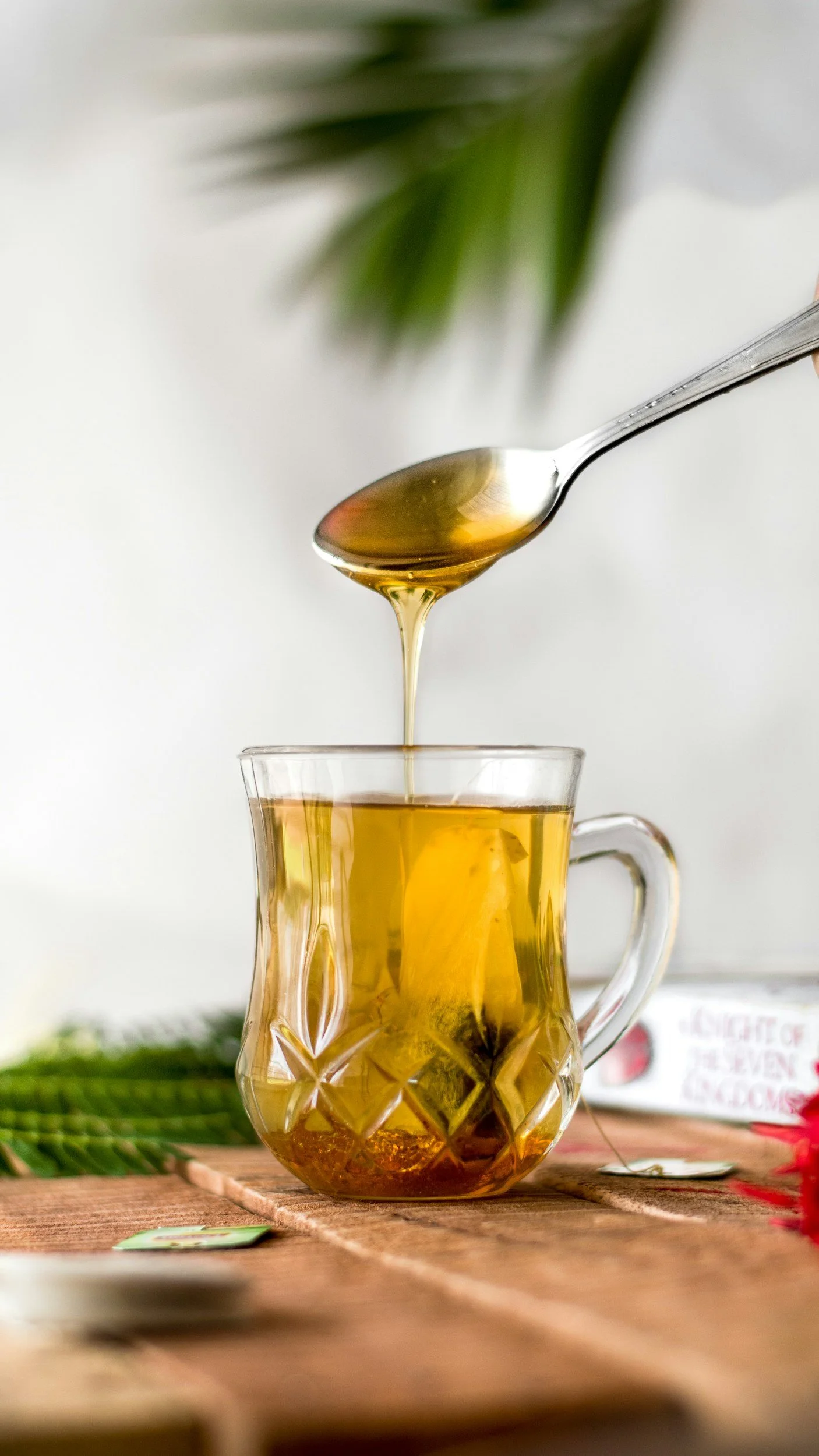
Some herbal recipes become favorites because they are complex and carefully crafted. Others become favorites because they are wonderfully simple. Chamomile Honey Tea falls into the second category.
With only a few ingredients, this tea highlights the delicate floral flavor that has made chamomile one of the world's most popular herbal teas. It is easy to prepare, naturally caffeine-free, and gentle enough to enjoy throughout the year. Whether you are winding down after a long day, seeking a comforting warm drink on a rainy afternoon, or looking for a simple way to enjoy your homegrown herbs, this recipe is a wonderful place to start.
Chamomile has a long history of use as both a tea and a medicinal herb. Its cheerful daisy-like flowers have been gathered, dried, and brewed for generations. Today, it remains one of the most commonly consumed herbal teas in the world. Many people associate chamomile with relaxation, comfort, and quiet evenings, making it a natural choice for a bedtime beverage.
Adding honey creates a tea that feels both nourishing and familiar. The sweetness softens chamomile's naturally floral flavor while adding a smooth richness that many people enjoy. Together, chamomile and honey create a simple tea that requires little effort but delivers plenty of enjoyment.
One of the reasons I appreciate this recipe is that it showcases chamomile itself. Many herbal blends contain several ingredients, making it difficult to truly experience the character of a single herb. This tea allows chamomile to take center stage, making it ideal for gardeners and herbal enthusiasts who want to better understand the flavor and aroma of this classic medicinal plant.
If you grow chamomile in your garden, this recipe is also one of the easiest ways to preserve and enjoy your harvest. Dried chamomile flowers store beautifully and can provide many cups of tea long after the growing season has ended.
Why You'll Love This Tea
Only a few simple ingredients
Naturally caffeine-free
Gentle floral flavor
Easy for beginning herbalists
Great use for homegrown chamomile
Ready in minutes
Ingredients
1 tablespoon dried chamomile flowers
8 ounces hot water
1–2 teaspoons honey
Directions
Place chamomile flowers into a mug or teapot.
Pour hot water over the flowers.
Cover and steep for 10 minutes.
Strain the flowers.
Stir in honey to taste.
Serve warm.
What Does Chamomile Taste Like?
People often describe chamomile as having a mild floral flavor with subtle apple-like notes. In fact, the name chamomile comes from Greek words meaning "ground apple," referring to its pleasant fragrance.
Unlike stronger herbs such as peppermint or rosemary, chamomile tends to be gentle and approachable. Its flavor is often described as soft, slightly sweet, and calming.
Honey complements these qualities beautifully by enhancing the natural sweetness already present in the flowers.
Traditional Herbal Uses
Chamomile has been used traditionally for centuries as a relaxing herbal tea. Herbalists have often recommended it as an evening beverage and included it in formulas intended to support relaxation and digestive comfort.
Because of its mild flavor and gentle nature, chamomile is frequently considered one of the most approachable herbs for those new to herbal teas.
Honey has also been used traditionally in herbal preparations for generations, both as a sweetener and as a way to make herbal remedies more enjoyable to consume.
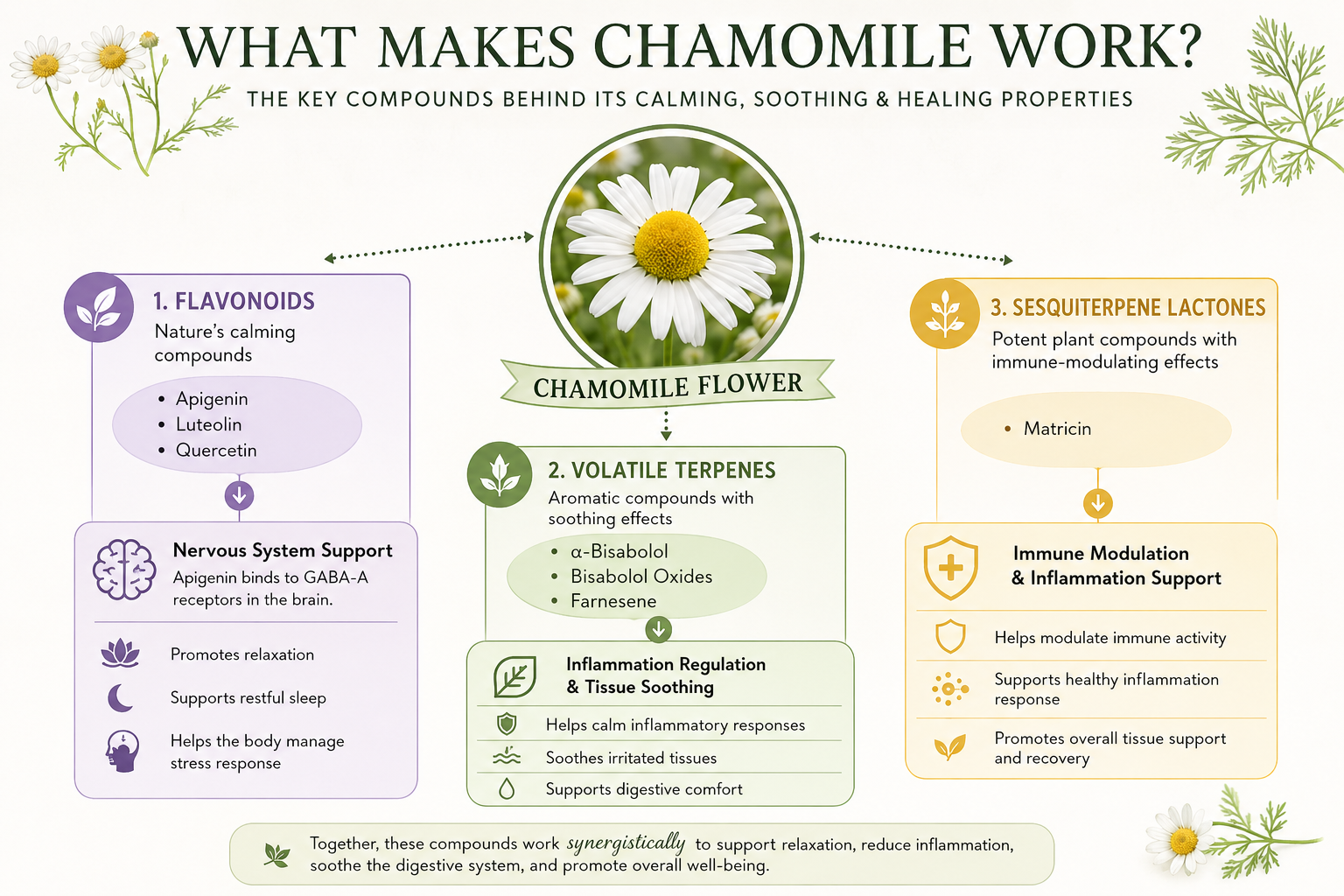
What Makes Chamomile Work?
Chamomile contains several naturally occurring plant compounds, including flavonoids and aromatic constituents that contribute to its traditional herbal reputation.
One of the most frequently discussed compounds is apigenin, a flavonoid that has been studied for its interaction with pathways associated with relaxation.
Chamomile also contains volatile oils that contribute to its distinctive fragrance. These aromatic compounds help create the pleasant sensory experience many people associate with chamomile tea.
Of course, part of the appeal may simply come from the ritual itself. Sitting quietly with a warm cup of tea encourages us to slow down, step away from distractions, and create a moment of calm in an otherwise busy day.
Choosing the Best Honey
Different varieties of honey can subtly change the flavor of this tea.
Clover Honey
A mild and widely available choice that allows the chamomile flavor to shine through.
Wildflower Honey
Adds slightly more complexity and floral character.
Orange Blossom Honey
Pairs beautifully with chamomile's delicate floral notes.
Local Raw Honey
Many people enjoy supporting local beekeepers while experiencing the unique flavors of their region.
Variations
Lemon Chamomile Honey Tea
Add a squeeze of fresh lemon juice for a brighter flavor.
Lavender Chamomile Honey Tea
Add ½ teaspoon dried lavender flowers while steeping.
Mint Chamomile Tea
Add a few peppermint leaves for a refreshing variation.
Cinnamon Chamomile Tea
Steep with a small cinnamon stick for a warm seasonal flavor.
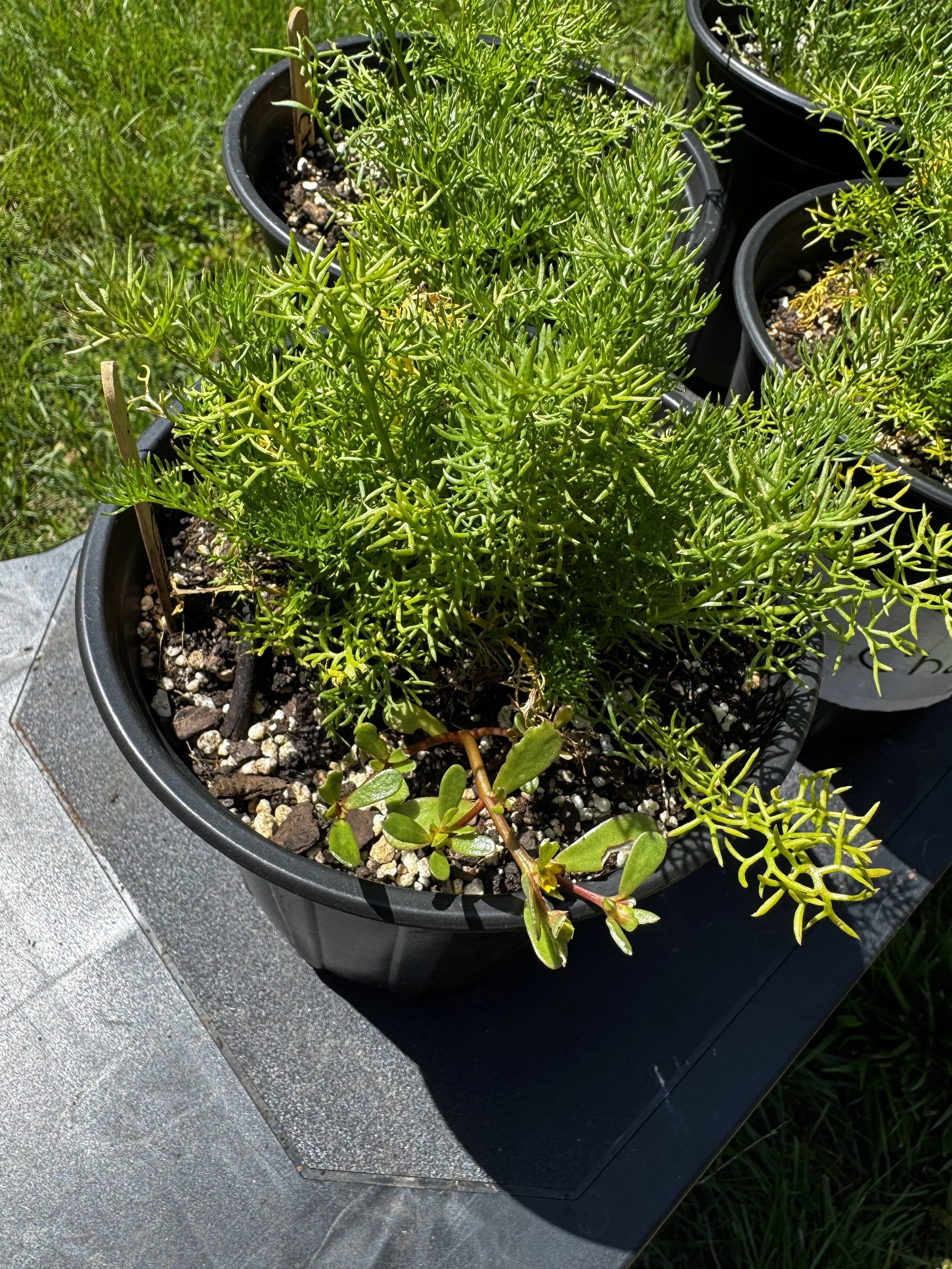
Growing Chamomile for Tea
Chamomile is one of the easiest herbs to grow in the home garden.
The flowers can be harvested throughout the growing season and dried for later use. Once dried, they retain much of their flavor and aroma, making them ideal for tea preparations.
Many gardeners find that a small patch of chamomile produces enough flowers to provide tea for months.
Harvest flowers on a dry day and allow them to dry completely before storing them in airtight containers.
Storage
Store dried chamomile flowers in an airtight container away from heat, moisture, and direct sunlight.
Properly stored flowers generally maintain their quality for about one year.
Prepared tea is best enjoyed immediately after brewing.
Frequently Asked Questions
Can I use fresh chamomile flowers?
Yes. Fresh flowers can be used, though you'll typically need about three times the amount compared to dried flowers.
Is chamomile naturally caffeine-free?
Yes. Chamomile contains no caffeine.
Can I drink chamomile tea every day?
Many people enjoy chamomile tea regularly as part of their daily routine. If you have concerns about medications, allergies, or health conditions, consult your healthcare provider.
What if I don't like floral teas?
Try reducing the steeping time slightly or adding a squeeze of lemon to balance the floral flavor.
Final Thoughts
Sometimes the most satisfying herbal recipes are also the simplest. Chamomile Honey Tea requires only a few ingredients, takes minutes to prepare, and provides a comforting way to enjoy one of the most beloved herbs in the garden.
Whether you're harvesting your own chamomile, building a home apothecary, or simply looking for a relaxing cup of tea at the end of the day, this recipe is a wonderful reminder that herbalism doesn't need to be complicated to be enjoyable.