
How to Start a Garden as a Beginner
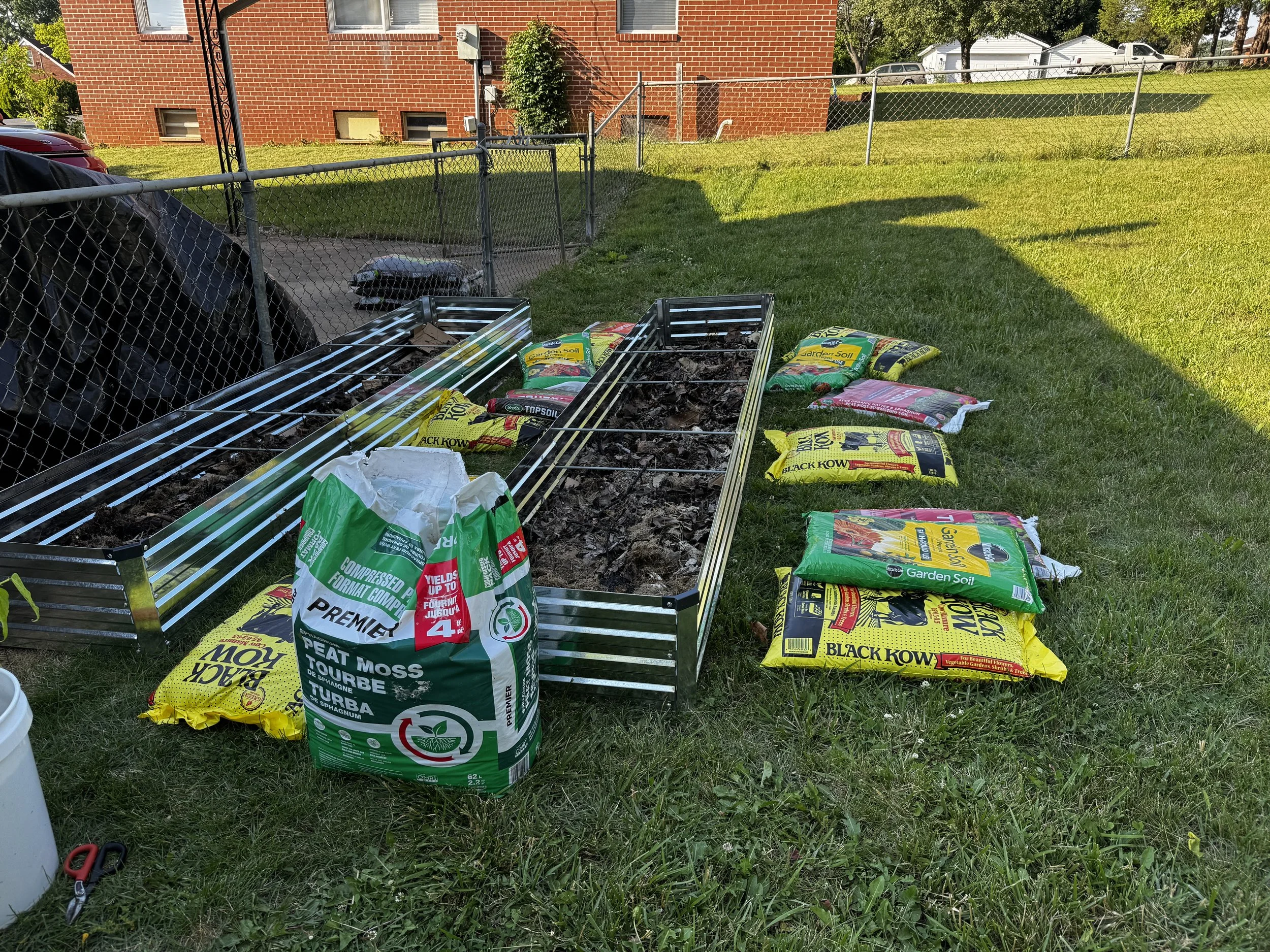
When I first started gardening, I thought I needed to know a lot more than I actually did. I spent hours reading planting guides, watching videos, comparing seed packets, and trying to figure out which soil was supposedly the best. By the time I planted my first seeds, I had convinced myself that gardening was much more complicated than it really is.
I mean do you really need a soil pH test kit when you just starting out? Nope. But I thought I did…
The truth is that most gardeners learn the same way people have always learned: by planting something and seeing what happens. Some plants thrive. Some plants struggle. A few plants will probably die despite your best efforts. That's not a sign that you're bad at gardening. It's simply part of the process.
If you're thinking about starting your first garden, my biggest piece of advice is to stop waiting until you feel ready. There will always be another article to read or another video to watch. At some point, you have to put a seed in soil and let the garden teach you what the books can't.
Start Smaller Than You Think
When most people decide they want to start a garden, their first mistake is usually enthusiasm.
Mine certainly was.
I didn't want to grow one herb. I wanted to grow all of them. Chamomile for tea. Lavender for baths. Rosemary for cooking. Tomatoes, peppers, cucumbers, berries, flowers, and anything else that looked interesting. Every seed packet seemed like a good idea at the time.
The problem is that every plant requires a little bit of your attention. Every container needs water. Every seedling eventually needs more space. Every plant will have its own preferences and its own way of letting you know when something isn't quite right. It's much easier to learn those lessons with five plants than it is with fifty.
If I were starting over today, I would begin with a handful of easy plants and focus on learning how those plants grow. A few herbs, one tomato, and one pepper plant can teach you an incredible amount about sunlight, watering, pests, harvesting, and patience. Once you feel comfortable with those, you can always expand.
And trust me, you probably will.
Decide Where You're Going to Garden
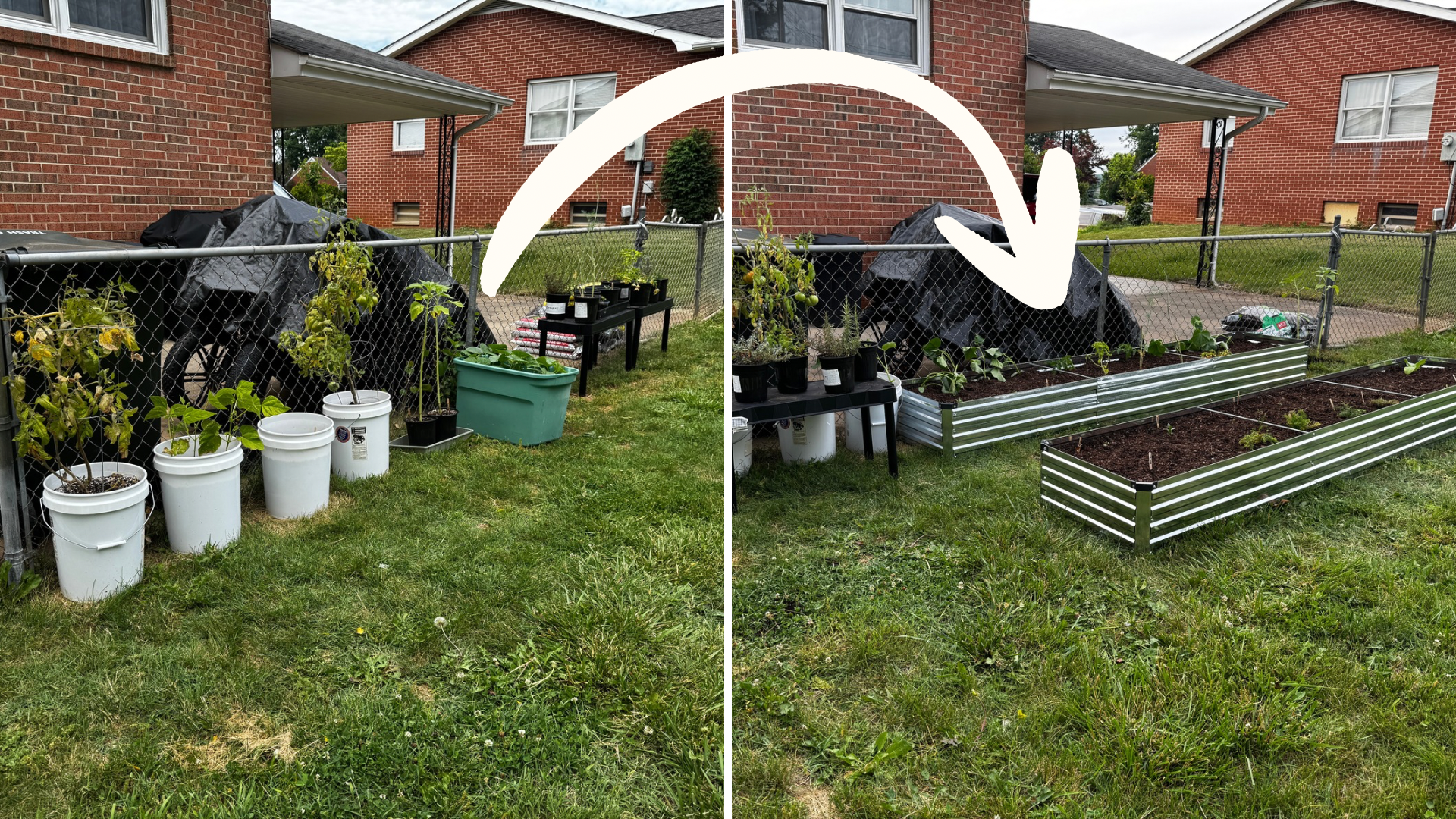
One thing I wish more beginner gardening guides talked about is that you don't need a huge backyard to become a gardener. Gardening magazines love showing beautiful properties with sprawling raised beds, fruit trees, and carefully planned landscapes. While those gardens are certainly nice to look at, they can make beginners feel like they need a lot of space before they can get started.
You don't.
I started with containers because I'm a renter. At the time, I wasn't interested in building permanent structures or investing a lot of money into a property I didn't own. Containers allowed me to start growing immediately while keeping everything portable. If a plant wasn't getting enough sun, I could move it. If I needed to rearrange the garden, I could do that too.
Many herbs, vegetables, and flowers grow surprisingly well in containers. A patio, balcony, deck, or sunny corner of the yard can provide enough space to grow a meaningful amount of food and herbs. Don't let limited space convince you that gardening isn't an option.
A container garden is still a garden.
If you want more info on how to start a container garden, you can check out this post that I wrote about it from my own experience.
Learn Your Sunlight Before You Buy Plants
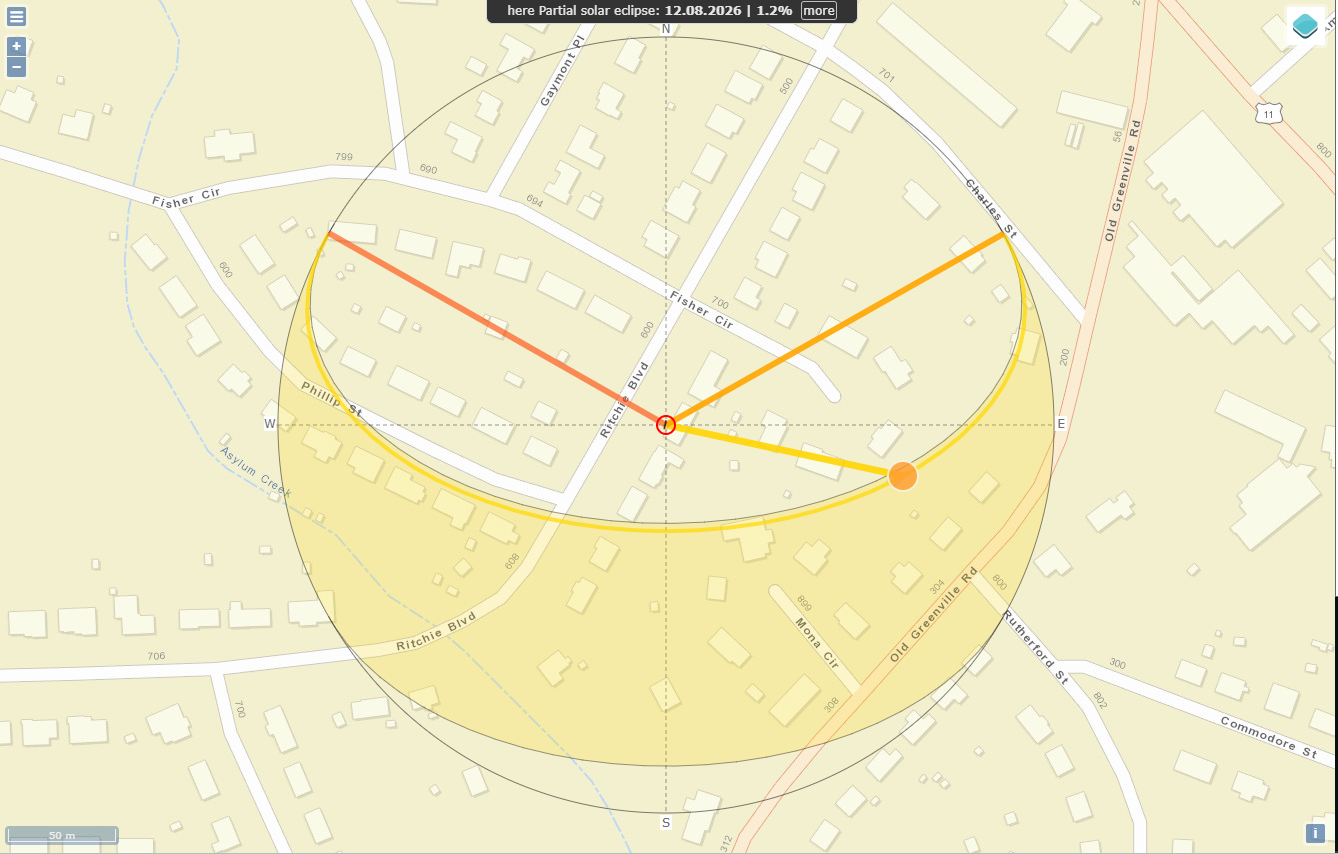
One of the easiest ways to set yourself up for success is to understand how much sunlight your growing space actually receives. Most beginner gardeners spend a lot of time thinking about plants and very little time thinking about the area where those plants will live.
I made this mistake myself.
When I started planning my raised beds, I assumed I knew where the sun was throughout the day. Then I checked using a sun-tracking tool that you can use at suncalc.org and realized the light moved differently than I expected. Areas that seemed sunny in the morning were shaded by afternoon, while other sections received much more direct light than I realized.
Before buying plants, spend a few days paying attention to your space. Notice where the sunlight falls in the morning, afternoon, and evening. Pay attention to nearby trees, fences, and buildings that create shade. Understanding your light conditions will make choosing plants much easier and dramatically increase your chances of success.
Choose Plants That Want to Succeed
Some plants are naturally more forgiving than others. As a beginner gardener, there is absolutely nothing wrong with choosing plants that give you the best chance of success.
In fact, I think it's one of the smartest things you can do.
Some of the easiest plants I've grown have been chamomile, lemon balm, calendula, basil, tomatoes, and peppers. None of these plants are completely foolproof, but they tend to grow quickly enough that you can see progress and learn from the experience. When you're first starting out, those early successes are important because they build confidence and keep gardening enjoyable.
There will be plenty of time later to experiment with plants that require more patience or have more specific growing requirements. Your first garden doesn't need to be impressive. It just needs to help you learn.
Don't Obsess Over Perfect Soil
If you've spent any amount of time researching gardening online, you've probably encountered endless debates about soil. Everyone seems to have a favorite recipe, a preferred amendment, or a strong opinion about what should or shouldn't be added to a planting mix.
When I first started gardening, I fell into that rabbit hole too.
Eventually I realized that many successful gardeners are growing plants in completely different soil mixes and still getting great results. While soil absolutely matters, beginners often spend too much time chasing perfection instead of planting something.
If you're growing in containers, start with a quality potting mix and add some compost if you have access to it. If you're planting in the ground, work compost into the soil and see how things perform. As you gain experience, you'll naturally start learning which plants prefer more drainage, more organic matter, or different growing conditions.
Your first garden does not need perfect soil.
It just needs soil.
Learn How to Water Before You Learn Anything Else
If I had to choose one skill that has caused me more problems than anything else in gardening, it would be watering.
When I first started growing plants, I assumed watering was simple. Plants need water, so you give them water. If they look unhappy, you give them more water. Looking back, it's amazing that some of my plants survived that strategy.
The reality is that different plants want different amounts of water, and most plants are surprisingly capable of handling a little dryness. Overwatering, on the other hand, causes all sorts of problems. I've dealt with yellow leaves, mold issues, weak growth, and unhappy roots because I was convinced I was helping.
These days, I check the soil before watering. If the top inch or two is still moist, I usually leave the plant alone. It sounds simple, but that habit has probably improved my gardening more than any fertilizer, tool, or product I've purchased. Most plants would rather be slightly dry than constantly wet.
Should You Start Seeds or Buy Plants?
One of the questions every new gardener eventually asks is whether they should start seeds or simply buy plants from a garden center.
The honest answer is that both approaches are perfectly valid.
Buying plants is faster and easier. You can walk into a garden center, purchase a healthy basil plant, bring it home, and immediately feel like a gardener. There is absolutely nothing wrong with that approach, especially if you're still figuring out whether gardening is something you enjoy. This is what i did on a spur of the moment “I want to be a gardener” excitement a few years ago. I bought my first basil plant from the grocery store. It took over most of my containers and was starting to spread into the yard just a year later.
Starting from seed takes more time, but it offers some advantages. Seeds are usually much cheaper than plants, and you'll have access to varieties that local nurseries may never carry. It's also incredibly satisfying to watch a tiny seed turn into a mature plant that eventually produces flowers, herbs, or vegetables.
I personally enjoy starting seeds because I like seeing the entire process. There's something rewarding about harvesting chamomile flowers or basil leaves from plants that started as tiny seeds on a shelf in my basement. That doesn't mean it's the right choice for everyone, though. The best option is whichever one gets you gardening.
But starting seeds can also be time consuming and trying on your nerves. Seeds are like babies. They need more care than a toddler plant you can buy from the store. They need specific conditions to tell them “hey, wake up and grow” and if you don’t have them, you end up watering dirt for a month before you try again.
Don't Be Afraid of Containers
A lot of beginner gardeners assume that container gardening is somehow less legitimate than growing directly in the ground.
I used to think that too. Then I realized that many of my healthiest plants were growing in containers.
Containers are one of the easiest ways to learn gardening because they give you more control. You can move plants if they're getting too much or too little sunlight. You can adjust the soil more easily. You can bring plants indoors during bad weather. You can even rearrange your entire garden if you decide you don't like the original layout.
Most of my gardening journey began in one-gallon pots, five-gallon buckets, and containers scattered around the yard. In fact, I eventually ended up with so many containers that I needed to build raised beds just to reclaim some walking space.
The important thing isn't whether you're gardening in a container, a raised bed, or directly in the ground. The important thing is that you're gardening.
Expect to Make Mistakes
One thing I wish more experienced gardeners talked about is how often things go wrong.
Gardening books and social media posts tend to show the success stories. You see beautiful harvest baskets, overflowing flower beds, and perfectly healthy plants. What you don't always see are the failed seedlings, the yellow leaves, the pest problems, and the moments when you're standing in the yard wondering why a plant has suddenly decided to be dramatic.
I've had basil turn yellow. I've had seedlings become leggy because my grow lights were too high. I've had broccoli flower before it produced anything useful. I've overwatered plants that didn't want watering and underwatered plants that absolutely did.
Every one of those mistakes taught me something.
The gardeners who seem experienced aren't people who never make mistakes. They're people who have made enough mistakes to recognize what's happening and adjust. Every plant that struggles is an opportunity to learn something you didn't know before.
Keep Notes From the Beginning
If you're anything like me, you'll think you'll remember everything.
You won't.
You'll forget when you planted your tomatoes. You'll forget which variety of basil you liked best. You'll forget how long it took your chamomile to flower or whether your peppers did better in one location than another.
Keeping a simple garden journal solves all of those problems.
Your notes don't need to be complicated. Write down planting dates, harvest dates, weather observations, successes, failures, and anything else that seems important. Over time, those notes become one of the most valuable gardening resources you'll own because they're based on your garden, your climate, and your experiences.
A gardening book can tell you how a plant is supposed to behave. Your notes tell you how it actually behaved.
There are some good apps out there that can help you with this as well as watering reminders so you don’t overwater everything. Try out a few and see which ones you like best.
Focus on Progress, Not Perfection
One thing I've learned over the past few years is that gardening isn't really about perfection.
It's easy to fall into the trap of comparing your garden to carefully staged photos online. You see beautiful raised beds, perfect rows of vegetables, and harvest baskets overflowing with produce. Then you look at your own garden and notice every problem.
The funny thing is that every gardener notices the problems in their own garden. The difference is that experienced gardeners understand those problems are part of the process.
Your first tomato doesn't have to be perfect.
Your first herb harvest doesn't have to be huge.
Your first garden doesn't have to look like something from a magazine.
What matters is that you're learning, growing, and enjoying the process. Every season builds on the one before it. Every mistake teaches you something useful. Every successful harvest gives you confidence to try something new.
My Recommended Beginner Garden
If a friend asked me tomorrow how to start gardening, I wouldn't hand them twenty seed packets and wish them luck.
I'd recommend a very simple garden.
I'd start with basil, chamomile, lemon balm, one tomato plant, and one pepper plant. Those plants are productive, relatively forgiving, and useful in everyday life. You'll learn about watering, harvesting, pruning, sunlight, pests, and plant growth without becoming overwhelmed.
Most importantly, you'll have enough success to stay excited about gardening. Because that's really the secret.
The goal of your first garden isn't to grow everything. The goal of your first garden is to grow something.
Final Thoughts
If you're wondering how to start a garden as a beginner, the answer is much simpler than most gardening websites make it sound.
Pick a few plants. Give them some soil, sunlight, and water. Pay attention to what happens. Learn from the mistakes and celebrate the successes.
When I started gardening, I thought I needed to know everything before I planted my first seed. What I eventually learned is that gardening itself is the teacher. The books, videos, and articles can help, but nothing replaces the experience of growing something with your own hands.
Start small. Stay curious. Don't be afraid to make mistakes.
Before long, you'll probably find yourself looking at seed catalogs in the middle of winter and wondering where you're going to fit just one more plant.
That's usually how it starts.