
How to Grow Bush Beans: One of the Easiest Vegetables for Beginners
If someone asked me to recommend a vegetable for a brand-new gardener, bush beans would be very close to the top of the list.
They grow quickly, germinate easily, don't require much maintenance, and produce actual food in a surprisingly short amount of time. Unlike some vegetables that make you wait all season for a harvest, bush beans reward your patience relatively quickly.
They're also one of the few vegetables that made me feel like I knew what I was doing early on.
The seeds sprouted quickly, the plants grew without much fuss, and before long I was looking at actual bean pods instead of endlessly waiting for something to happen.
If you're looking for a beginner-friendly vegetable that doesn't require complicated pruning, expensive equipment, or a huge amount of space, bush beans are an excellent place to start.
What Are Bush Beans?
Bush beans are exactly what they sound like.
Instead of producing long climbing vines like pole beans, bush beans grow as compact, self-supporting plants. Most varieties stay somewhere between one and two feet tall and don't require trellises, cages, or elaborate support systems.
This makes them particularly useful for small gardens, raised beds, and containers.
When I first started looking at bean varieties, I didn't realize there were two main types. I just grabbed a packet that said "beans" and assumed beans were beans.
It turns out the difference matters.
Bush Beans
Compact plants
No trellis required
Produce most of their harvest over a few weeks
Easier for beginners
Great for raised beds and containers
Pole Beans
Produce long climbing vines
Require trellises or support
Continue producing over a longer season
Take up less ground space but more vertical space
Neither is better. They're simply different.
For beginners, though, I think bush beans are easier because you can focus on growing the plant rather than building support structures.
Why Grow Bush Beans?
One of the things I like most about bush beans is how straightforward they are.
Many vegetables seem to come with a long list of requirements and potential problems. Tomatoes need support systems, pruning, and constant monitoring. Some herbs have very specific watering preferences. Other vegetables require months of patience before you get anything in return.
Bush beans are refreshingly uncomplicated.
Plant the seeds.
Water them.
Wait.
Harvest beans.
There are certainly details that can improve your harvest, but the basic process is surprisingly simple.
They also grow quickly enough that beginner gardeners don't lose interest waiting for results. Depending on the variety, many bush beans can begin producing in about 50 to 60 days.
Choosing a Bush Bean Variety
There are dozens of bush bean varieties available, but most fall into a few general categories.
Green beans are the most common and what most people picture when they hear the word bean. Varieties such as Blue Lake, Provider, and Contender are popular choices for home gardens because they're productive and reliable.
Wax beans produce yellow pods and generally grow similarly to green beans. Purple varieties add a little color to the garden and are fun for children, although many turn green when cooked.
Honestly, I wouldn't spend too much time worrying about the perfect variety when you're just getting started. Pick a variety that sounds appealing and focus on learning how the plant grows.
You can always experiment with different varieties next season.
Should You Start Bush Beans Indoors?
This is one of the rare vegetables where my answer is usually no.
Bush beans grow so quickly that there often isn't much advantage to starting them indoors. In fact, they generally prefer being planted directly where they're going to grow.
The roots don't particularly enjoy being disturbed, and the plants establish themselves very quickly when direct sown into warm soil.
I know it can be tempting to start everything indoors under grow lights. Believe me, I understand that temptation.
But bush beans are usually happier if you simply plant them directly in the garden once temperatures warm up.
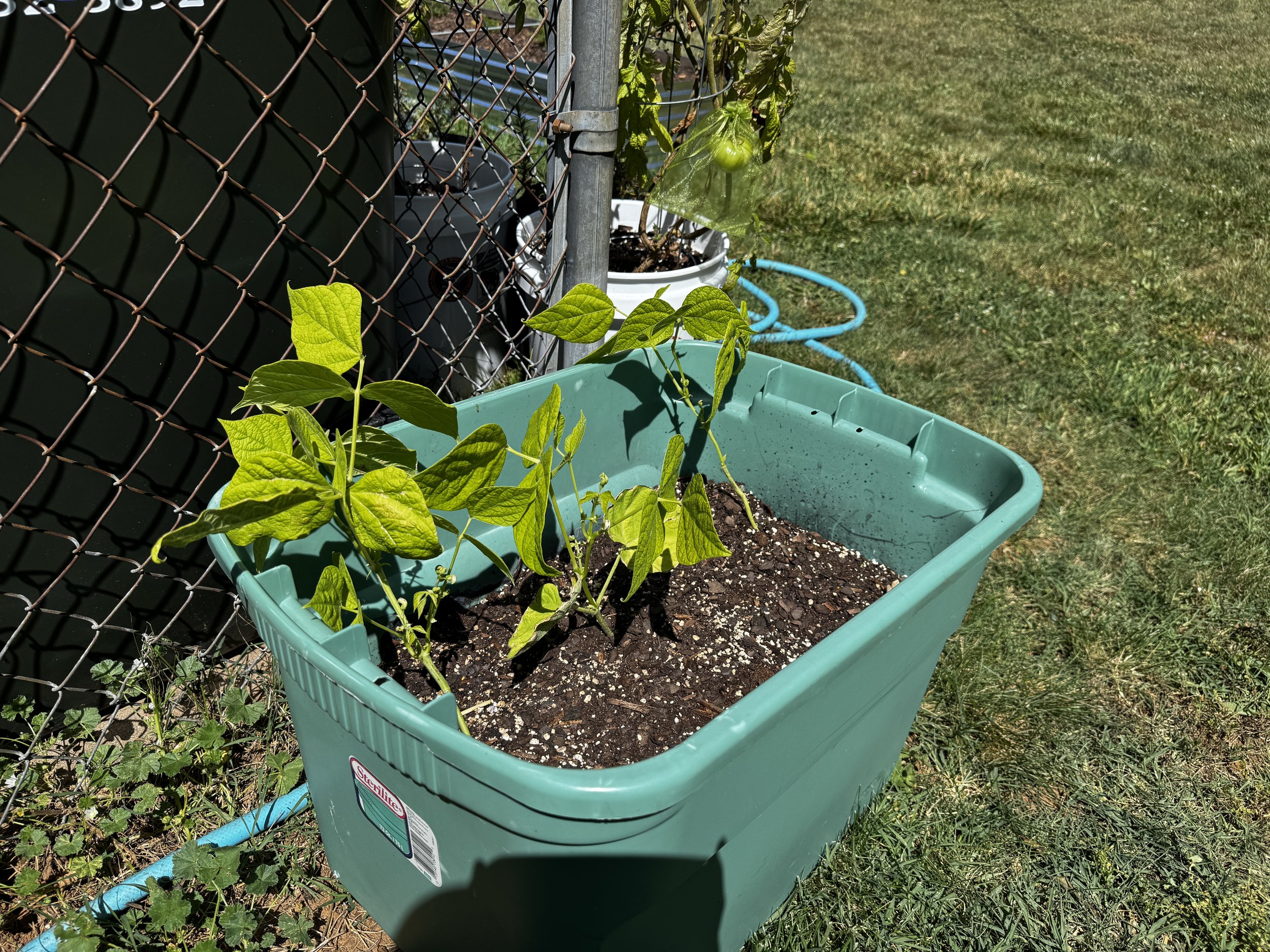
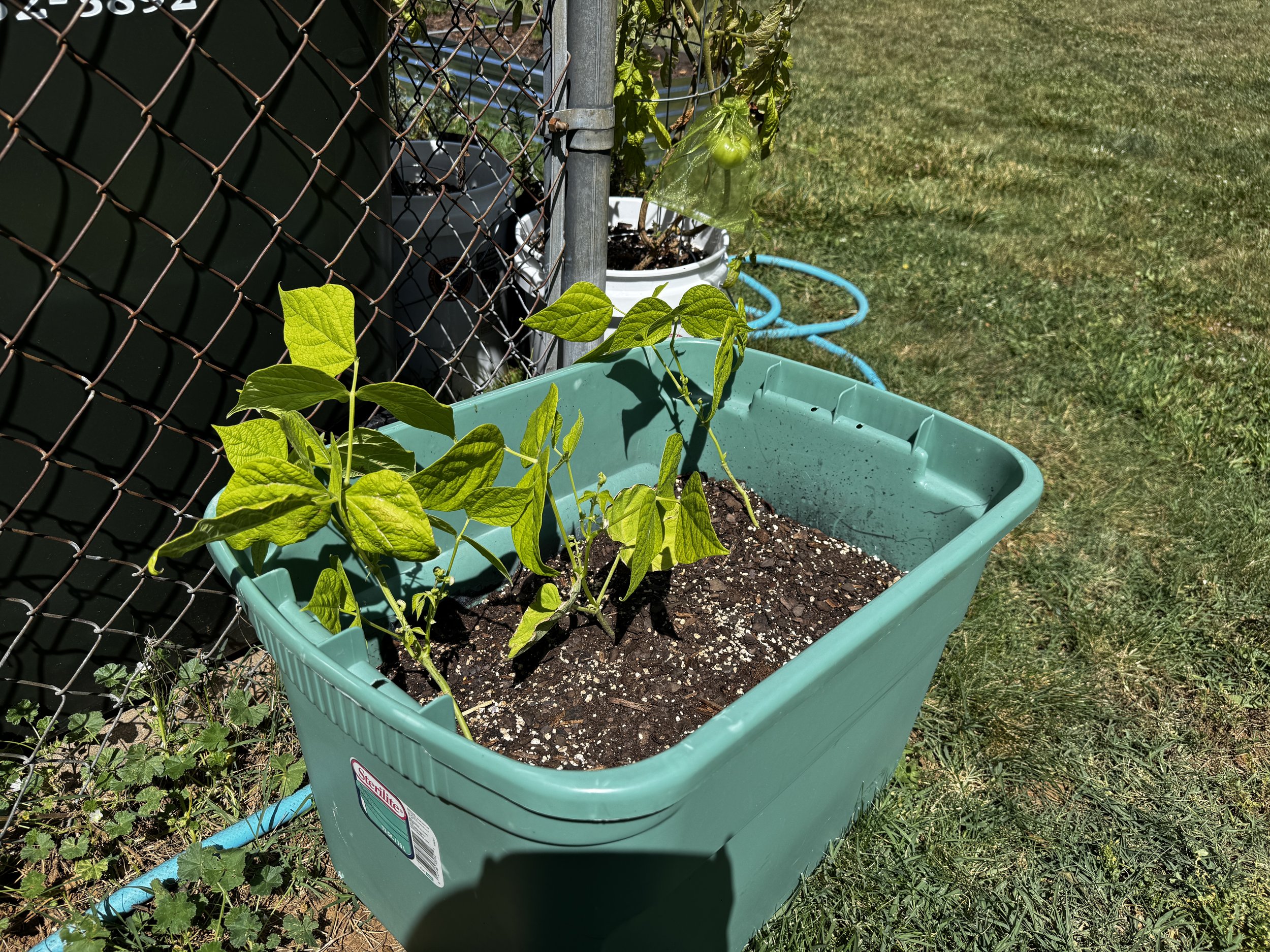
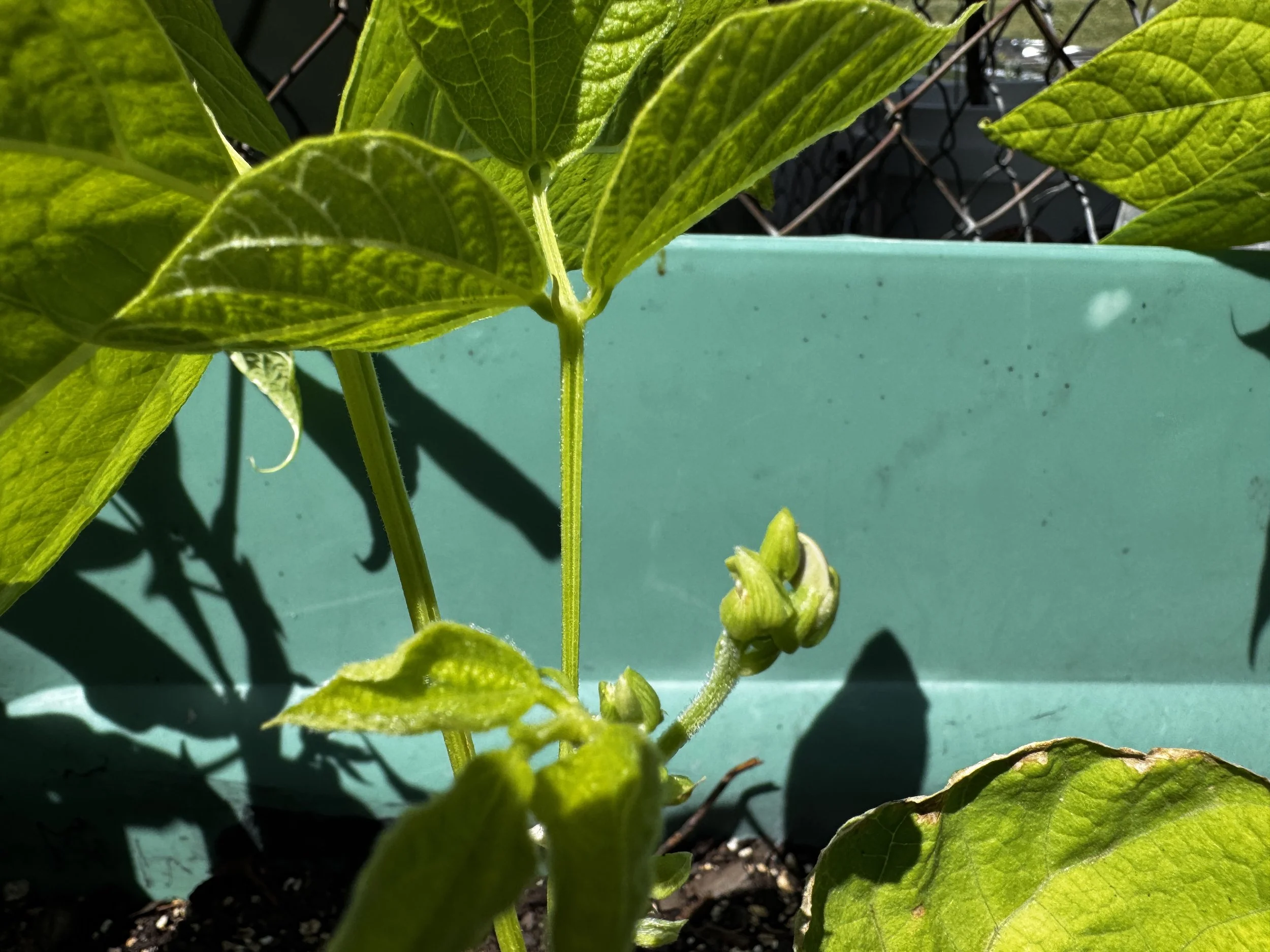
I started mine indoors in a 1 gallon container. I got 2 shoots that grew and one that didn’t. Now they’re in a 5 gallon storage container in my backyard and starting to flower. But they’re a bit leggy. I feel if I had started them outside, the increased light and temperature would have benefited them.
When to Plant Bush Beans
Bush beans are warm-season vegetables. They do not appreciate frost. Who does???
In fact, cold soil is one of the fastest ways to make bean seeds unhappy. Wait until all danger of frost has passed and the soil has warmed before planting. Here in Virginia, that usually means waiting until well after the last spring frost date.
The seeds generally germinate quickly once the soil reaches temperatures they like.
One advantage of bush beans is that you can often plant multiple rounds throughout the season. Instead of planting all your seeds at once, consider planting a second batch a few weeks later. This helps spread out your harvest and keeps fresh beans coming for longer.
Sunlight Requirements
Bush beans grow best in full sun.
Aim for at least six to eight hours of direct sunlight per day. More sunlight generally means stronger growth and better production.
That said, bush beans tend to be more forgiving than some vegetables when conditions aren't perfect. They'll often tolerate a little afternoon shade, especially during the hottest parts of summer.
My philosophy is simple.
If tomatoes and peppers are fighting over the sunniest spots in the garden, bush beans can usually make do with the next best location.
Soil and Fertility
One thing that surprised me when I started learning about beans is that they don't need as much fertilizer as many other vegetables.
Beans belong to a group of plants called legumes. Through a partnership with soil bacteria, they can help make nitrogen available in the soil.
That doesn't mean they can grow in terrible soil. It simply means they don't usually require the heavy feeding that some vegetables demand. A reasonably fertile soil with compost mixed in is often plenty.
In fact, too much nitrogen can encourage lots of leafy growth while reducing bean production. It's one of those situations where a huge, beautiful plant isn't necessarily the most productive plant.
Watering Bush Beans
Bush beans prefer consistent moisture, especially once flowers and pods begin forming. The goal isn't constantly wet soil. It's consistent soil moisture.
When the soil swings from very dry to very wet, plants can become stressed and production may suffer. During hot summer weather, I check the soil regularly and water deeply when needed.
One thing I've noticed in my own garden is that it's very easy to focus all your attention on tomatoes because they tend to be dramatic. Meanwhile the bush beans are quietly growing and producing with very little complaint.
There's probably a life lesson in there somewhere.
Growing Bush Beans in Containers
Bush beans are excellent container plants.
Because they stay relatively compact, they don't require massive containers like tomatoes often do. A container holding several gallons of soil is usually sufficient for a few plants.
This makes them a good choice for gardeners working with patios, balconies, or small spaces.
One thing to keep in mind is that containers dry out faster than raised beds or in-ground gardens. During hot weather, container-grown beans may need more frequent watering than plants growing directly in the ground.
Other than that, they're surprisingly easy to manage.
Check out these posts if you want to learn more about container gardening or starting a garden as a beginner.
Common Problems
Poor Germination
Cold soil is often the culprit. Bush beans generally prefer warm soil and may rot before sprouting if planted too early.
Flowers But No Beans
This can happen during periods of extreme heat. The flowers may drop before pods develop. Usually the plants resume production once temperatures become more favorable.
Yellow Leaves
Yellow leaves can result from watering issues, nutrient imbalances, or simply older leaves aging naturally. Before assuming a nutrient deficiency, check the soil moisture first.
Rabbit Damage
If you're gardening where rabbits visit regularly, they may decide your bean plants look delicious. Unfortunately, rabbits rarely ask permission before harvesting.
Harvesting Bush Beans
The hardest part of harvesting bush beans is remembering to do it frequently.
The pods are best picked while they're still young, tender, and smooth. If left on the plant too long, they become tougher and begin focusing on seed production instead of producing more beans.
I try to check plants every few days once production starts. The more frequently you harvest, the more productive the plants often become.
It's one of the few gardening tasks where being greedy actually helps.
Saving Seeds
If you want to save seeds for next year, leave a few pods on the plant until they become fully mature and dry.
The pods will eventually turn brown and brittle. Once completely dry, the beans inside can be removed and stored for the following season.
It's a simple way to become a little more self-sufficient and continue growing varieties you've enjoyed.
Final Thoughts
Bush beans are one of those vegetables that remind me gardening doesn't always have to be complicated.
You don't need elaborate trellises. You don't need aggressive pruning. You don't need specialized equipment or years of experience.
You simply need a packet of seeds, a sunny location, and a little patience.
If you're a beginner looking for an easy vegetable to grow, bush beans are hard to beat. They germinate quickly, grow reliably, and reward your efforts with an edible harvest in a relatively short amount of time.
And after all, that's what most of us are hoping for when we plant that first seed.