
Why Rootbound Plants Stop Growing
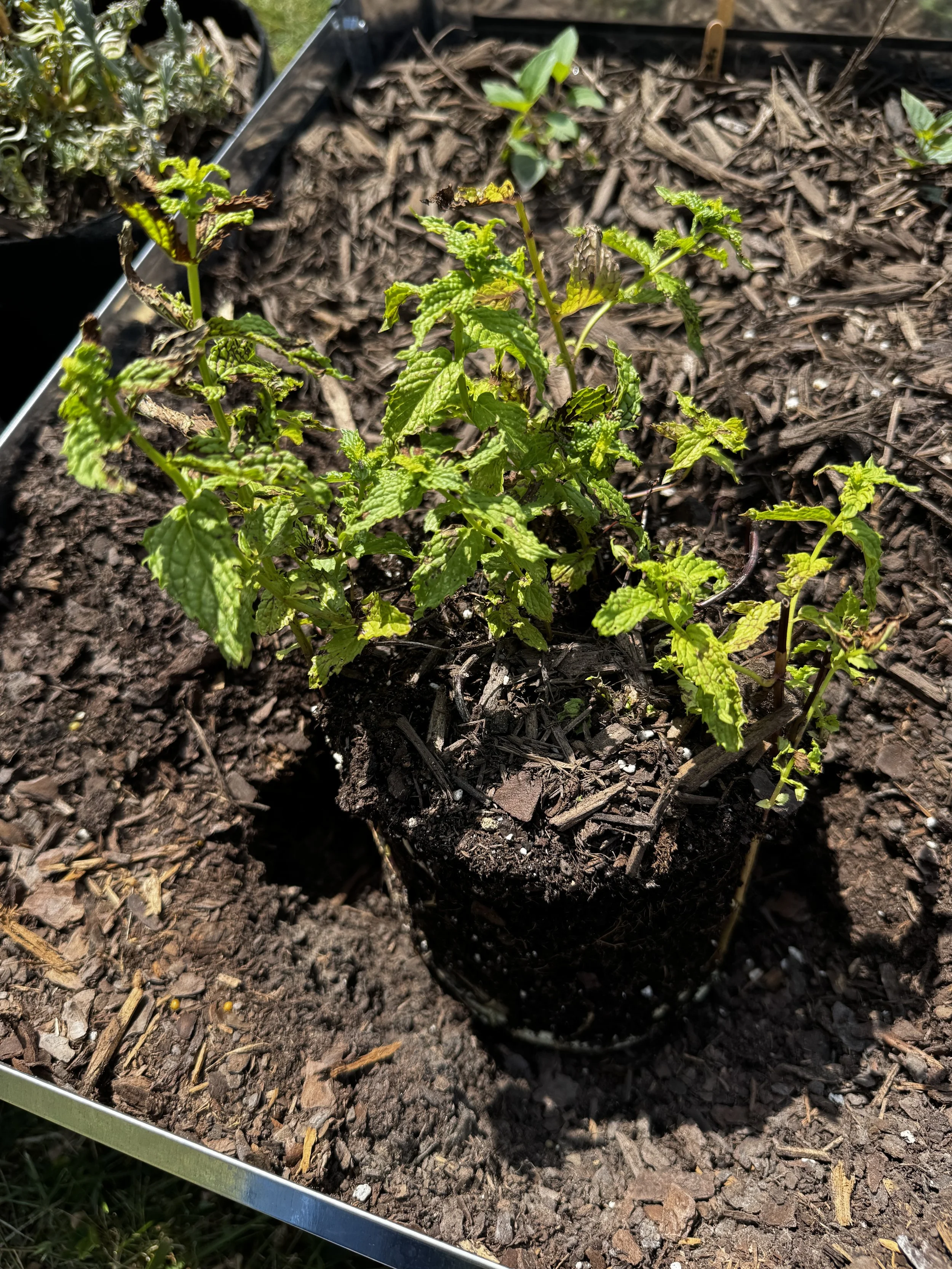
Sometimes the problem isn't above the soil.
When a plant stops growing, most gardeners immediately look at the leaves. We check for pests, nutrient deficiencies, diseases, or watering problems. While those are all common causes, sometimes the real issue is hidden where we can't see it: the roots.
A rootbound plant can look healthy at first, but eventually growth slows, watering becomes more difficult, and the plant struggles to thrive. Understanding what happens below the soil can help you recognize the problem before your plants suffer.
I started to consider this issue when my pepermint wasn’t growing like a weed anymore. No matter how much sun or added soil I put in the pot, it still wouldn’t grow. So when I decided to do the risky thing and plant it in my raised bed, I found out it was rootbound.
What Does Rootbound Mean?
A plant becomes rootbound when its roots run out of room to grow.
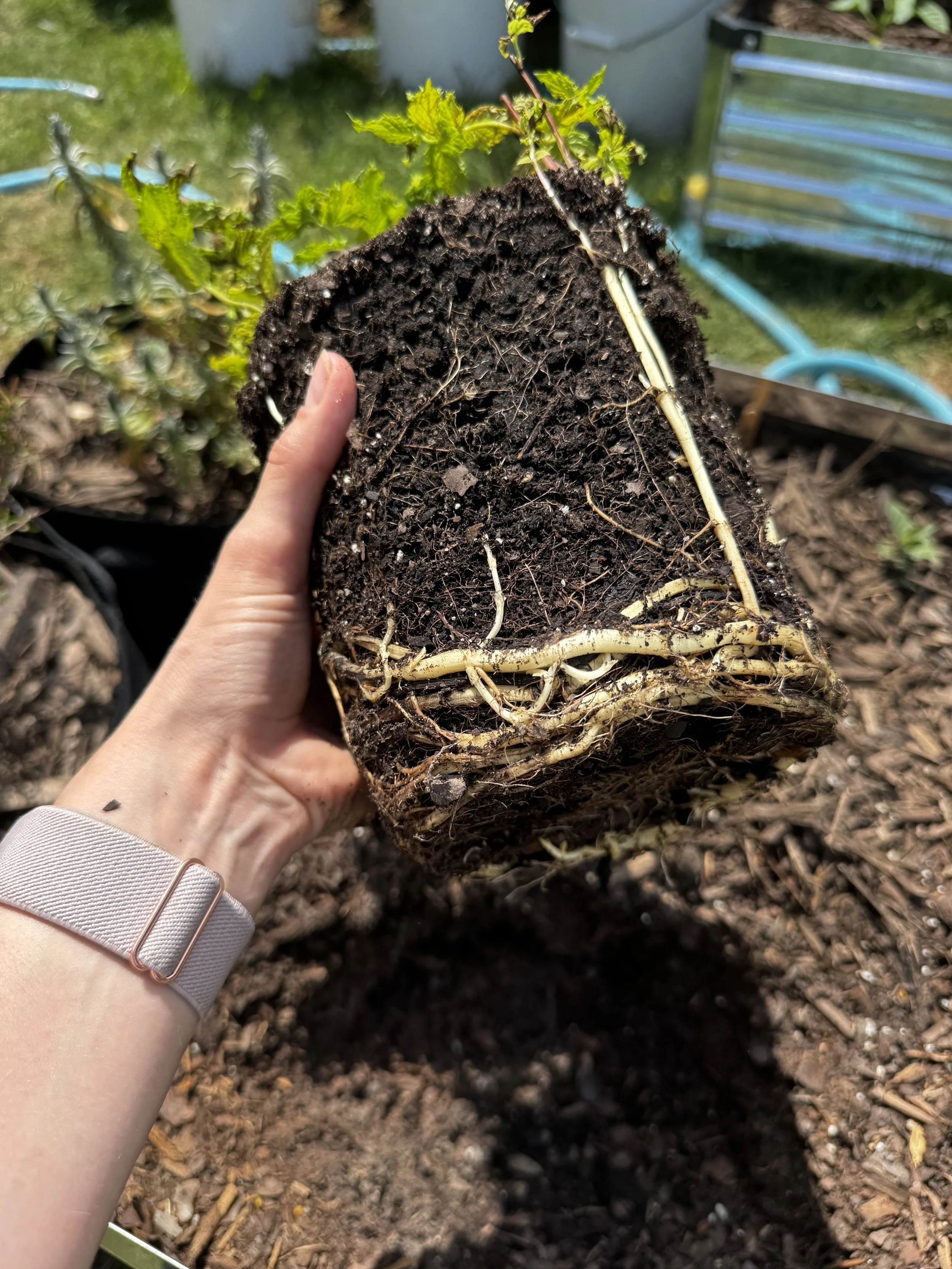
Instead of spreading through fresh soil, the roots begin circling around the inside of the container. Over time, they form a dense mass that fills nearly every available space in the pot.
This is especially common with container-grown herbs, vegetables, flowers, and houseplants that have been growing in the same pot for a long time.
A slightly rootbound plant isn't always a problem. In fact, some plants tolerate it fairly well. However, severe root crowding eventually limits the plant's ability to absorb the water, oxygen, and nutrients it needs.
How Root Crowding Affects Plant Growth
Healthy roots explore the soil looking for moisture and nutrients. They also store energy and anchor the plant.
When roots become tightly packed together, several problems begin to develop.
First, there is very little soil left inside the container. Since soil acts like a sponge that holds water and nutrients, a pot filled mostly with roots dries out much faster than normal.
Second, crowded roots compete with one another for the same limited resources. Even if you fertilize regularly, the plant may struggle to access what it needs.
Finally, restricted roots can no longer expand efficiently. Because root growth and top growth are closely connected, the plant often responds by slowing or stopping new leaf, stem, flower, and fruit production.
The result is a plant that seems stuck in place despite your best efforts.
Signs Your Plant May Be Rootbound
Rootbound plants often show symptoms that can be mistaken for other problems.
You may notice:
Growth has slowed or stopped.
Leaves appear smaller than usual.
The plant wilts quickly after watering.
Water runs straight through the container.
Roots are growing from drainage holes.
The root ball lifts out of the pot as a solid mass.
The plant requires watering much more frequently than similar plants.
If several of these signs are present, it may be time to inspect the roots. For my peppermint, i had all of these signs. The watering wasn’t such a big sign though as mint loves water and being in a 1 gallon pot, I just assumed it was thirsty.
How to Check for Rootbound Plants
The easiest way to check is to gently slide the plant from its container.
Healthy roots should be visible around the outside of the root ball, but you should still see plenty of soil between them.
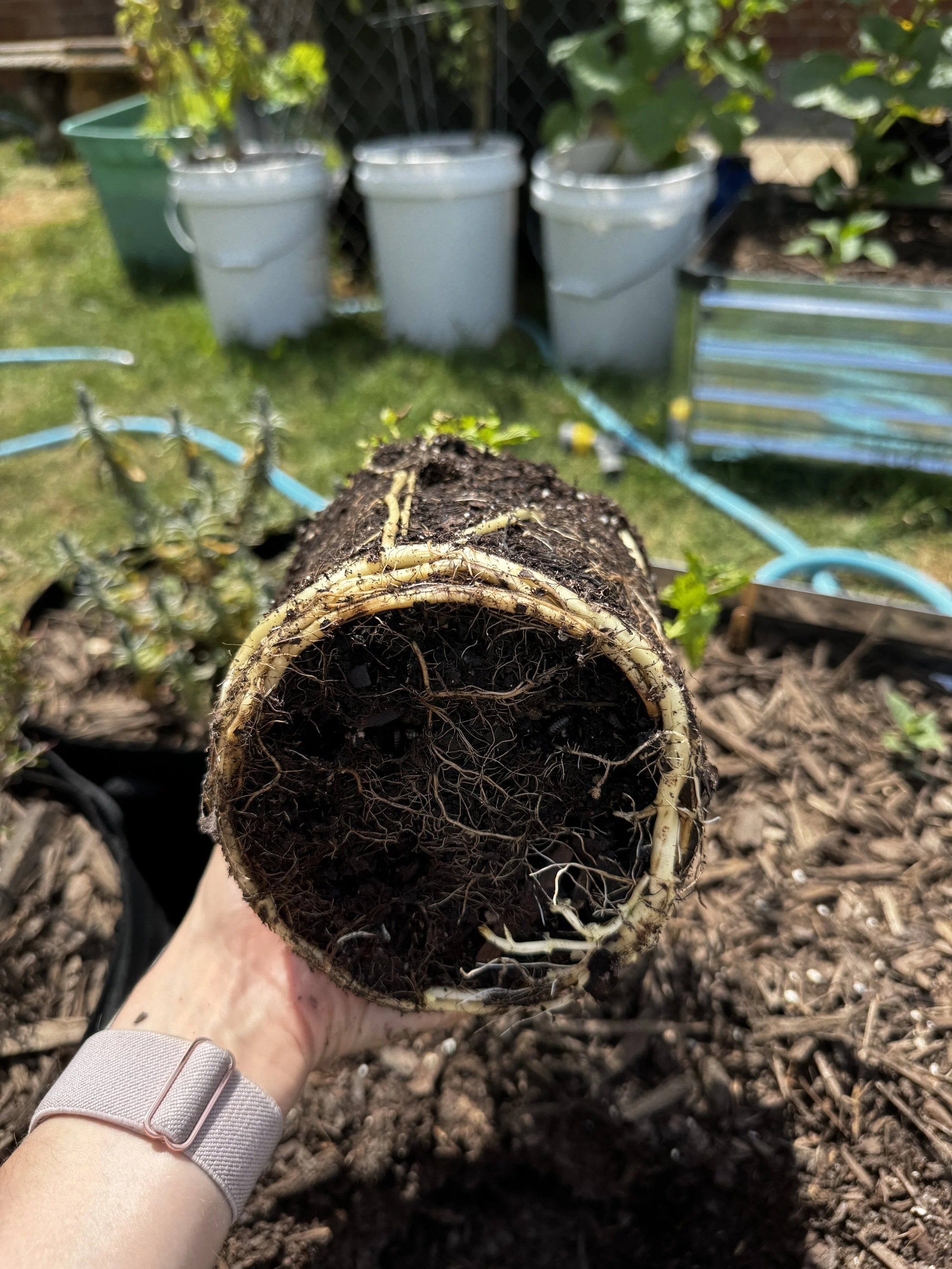
A rootbound plant will often have thick layers of roots wrapped around the outside and bottom of the root ball. In severe cases, there may be almost no visible soil left.
The roots may form a dense spiral pattern that matches the shape of the container.
How to Fix a Rootbound Plant
The best solution is usually to move the plant into a larger container.
Choose a pot that is one to two sizes larger than the current container. Fill it with fresh potting mix and gently loosen the outer roots before transplanting.
Breaking up some of the circling roots encourages them to grow outward into the new soil rather than continuing to spiral around themselves.
After transplanting, water thoroughly and keep the soil consistently moist while the plant adjusts to its new home.
Most plants begin showing signs of renewed growth within a few weeks.
Can Rootbound Plants Recover?
In most cases, yes.
Plants are surprisingly resilient. Once they have access to fresh soil and room for their roots to expand, many will quickly resume normal growth.
Herbs such as basil, parsley, and lemon balm often bounce back rapidly after repotting. Vegetables and flowers can also recover if the problem is caught before severe stress damages the plant.
The sooner you identify root crowding, the easier it is for the plant to recover.
Final Thoughts
When a plant stops growing, don't forget to look below the soil.
Rootbound plants often struggle because crowded roots reduce water uptake, limit nutrient access, and restrict future growth. While the leaves may show the symptoms, the real problem is often hidden inside the pot.
If a healthy-looking plant suddenly seems stalled, checking the roots may reveal the answer.