
Why Is My Basil Turning Yellow?
A few weeks ago, I noticed that my basil wasn't looking particularly basil-y.
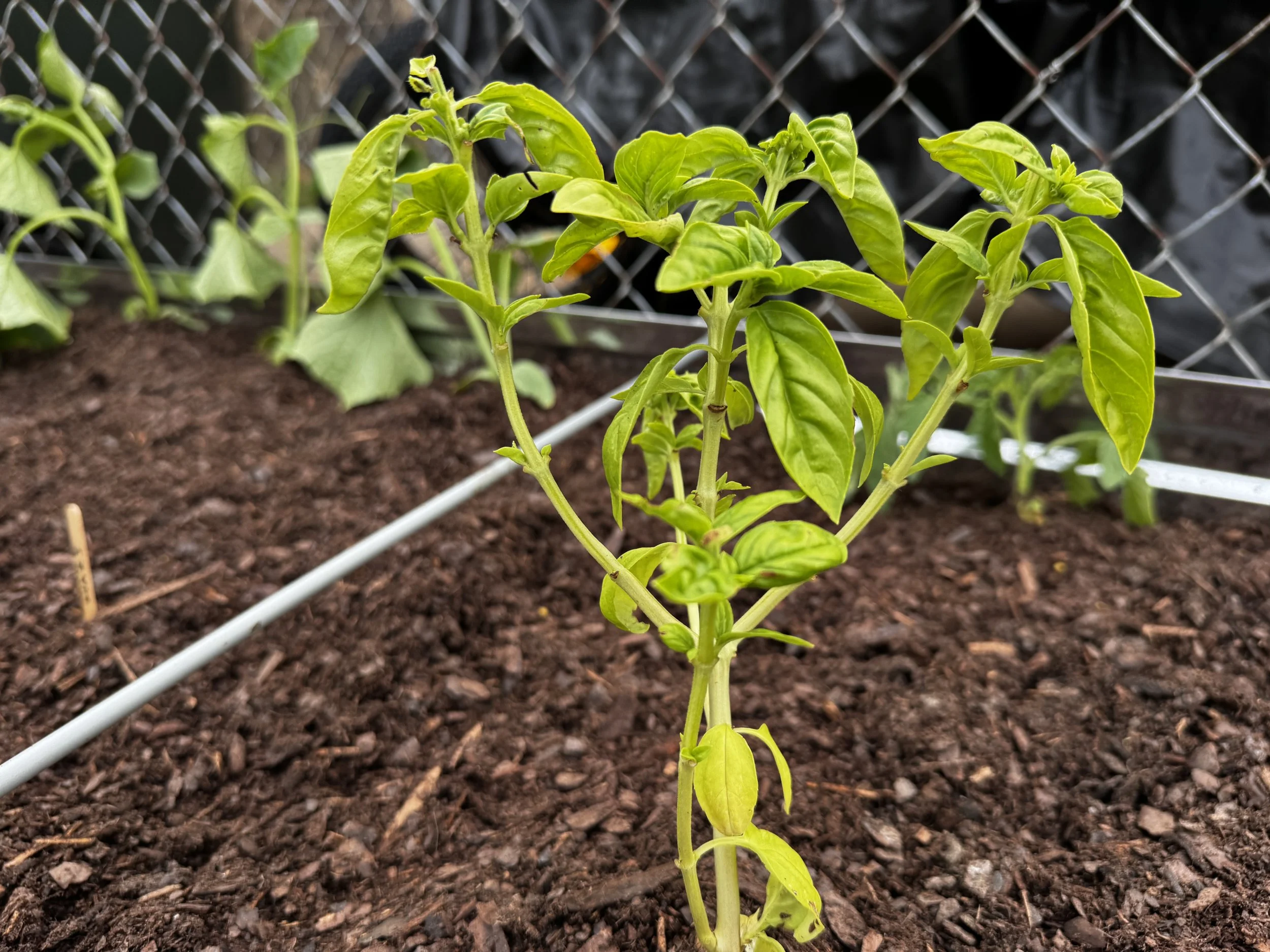
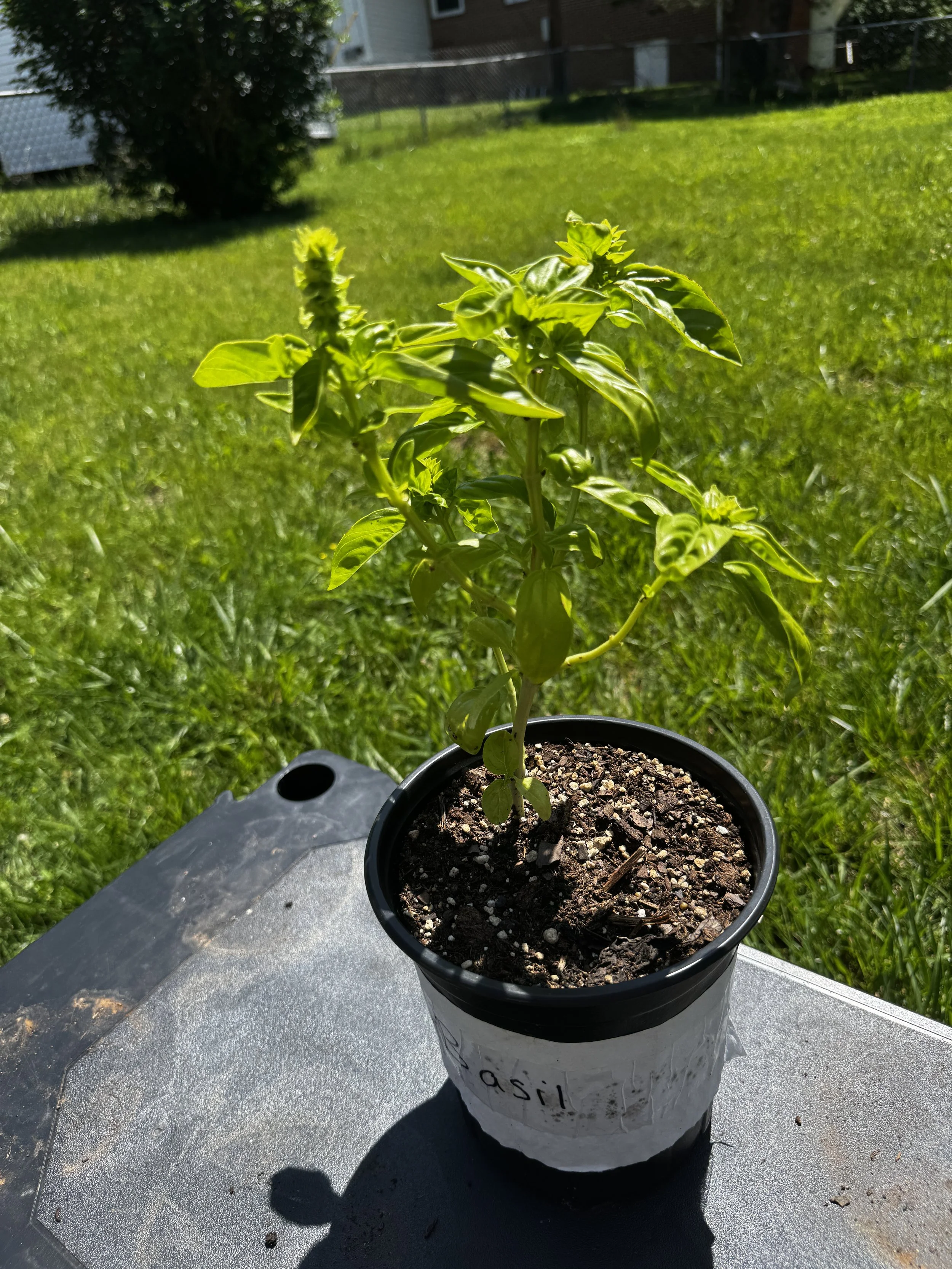
Instead of the deep green leaves I was expecting, the entire plant was a pale green that was slowly shifting toward yellow. Even the stems were lighter than they should have been.
Naturally, I did what every gardener does.
I stared at it.
Then I watered it.
Then I stared at it some more.
The interesting thing was that the basil had already been this color before I transplanted it into my raised bed. That ruled out a lot of the common transplant-related problems. If the plant had suddenly turned yellow after being moved, I would have suspected transplant shock. But since it was already pale in its original container, the cause was likely something that started much earlier.
So what was going on?
First, Let's Talk About the Flowers
One thing my basil seemed absolutely determined to do was flower.
Every time I looked at it, there was another flower stalk forming. I'd pinch it off, and a few days later the plant would decide to try again.
While flowering itself doesn't usually cause yellow leaves, it does tell us something important about what the plant is doing. Once basil starts focusing on flowers, it's shifting energy away from leaf production and toward reproduction. In other words, the plant is trying to make seeds rather than delicious basil leaves.
Regularly pinching off flower stalks encourages the plant to continue producing foliage and can help keep growth more vigorous throughout the season.
Possible Cause #1: Nitrogen Deficiency
One of the most common causes of yellow basil leaves is a lack of nitrogen.
Nitrogen is the nutrient responsible for lush green growth. When a basil plant doesn't have enough of it, the leaves often begin turning a lighter green before eventually becoming yellow.
The challenge is that my raised bed was filled with compost and garden soil that already contained fertilizer. That makes a severe nitrogen deficiency less likely, especially after transplanting.
However, it's still possible that the plant was becoming nutrient deficient while it was growing in its original container. Container-grown plants use nutrients quickly, and frequent watering can wash those nutrients out over time.
If nitrogen was the issue, transplanting into richer soil may gradually correct the problem as the roots expand into the new bed.
Possible Cause #2: Overwatering
If you've read any of my other gardening posts, you'll know that overwatering is one of my recurring themes.
I like watering plants.
Sometimes the plants would prefer I didn't.
Basil likes consistently moist soil, but it doesn't enjoy constantly wet soil. When roots sit in overly saturated conditions, they struggle to take up nutrients efficiently. The result can look very similar to a nutrient deficiency, with pale leaves and slow growth.
Since the plant was yellowing while still in its container, this is one possibility I'm paying close attention to. Containers often stay wetter than we realize, especially if they're larger than the root system or if watering becomes part of a daily routine.
Possible Cause #3: Root Stress
Another possibility is that the basil simply outgrew its original pot.
When roots become crowded, nutrient uptake becomes less efficient. The plant may begin showing signs of stress even when water and fertilizer are available.
The fact that the entire plant, including the stems, was pale suggests that the issue was affecting the plant as a whole rather than just a few individual leaves.
Fortunately, transplanting into a larger growing space gives the roots room to expand and often solves this type of problem over time.
What I'm Doing About It
For now, I'm keeping things simple.
I've continued pinching off flower stalks whenever they appear. This encourages the plant to focus on producing leaves rather than seeds.
I'm also being more mindful about watering. Instead of automatically reaching for the watering can, I'm checking the soil first and allowing the surface to dry slightly between waterings.
Since the basil is now growing in a raised bed filled with compost and garden soil, I'm giving it time before adding any additional fertilizer. If the problem was related to nutrient availability or restricted roots, the plant may correct itself naturally as it settles into its new home.
What I've Learned
One thing gardening keeps teaching me is that not every problem needs an immediate solution.
My first instinct is usually to fix things.
Add fertilizer.
Add water.
Move the plant.
Do something.
But sometimes the best approach is to step back, observe, and give the plant time to respond to recent changes.
In this case, the basil was already struggling before it entered the raised bed. The transplant may actually be the solution rather than the cause of the problem.
Now it's just a matter of being patient and seeing what the plant does next.
And if it tries to flower again tomorrow, well... I'll probably be pinching that off too.