
What Is Nitrogen Dioxide?
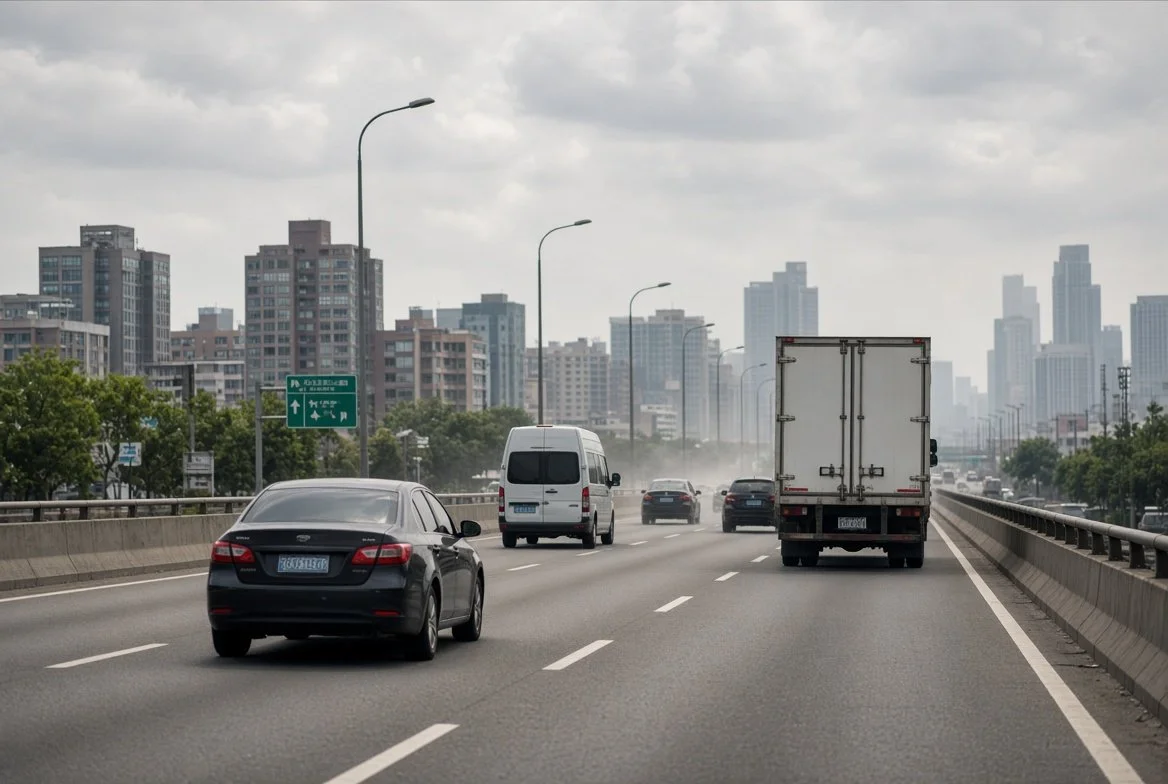
Nitrogen dioxide is a reddish-brown gas that forms when fuel burns at high temperatures. It’s one of a group of gases called nitrogen oxides (NOx). Outdoors it comes mainly from vehicle exhaust, power plants, and industrial sources. Indoors it can build up from gas stoves, heaters, and other combustion appliances.
Quick Reference
Simple definition: A combustion-related gas (part of the NOx family) that irritates the respiratory system and contributes to outdoor air pollution
Main concern: Can worsen asthma, reduce lung function, and increase respiratory symptoms, especially in children and people with existing lung conditions
Top places found: Vehicle exhaust, gas stoves and heaters, power plants, industrial emissions, and areas near busy roads
Key action: Improve ventilation when using gas appliances, reduce time near heavy traffic when possible, and support cleaner combustion and vehicle standards
Why it Matters
Nitrogen dioxide irritates the lining of the airways. Short-term exposure can trigger coughing, wheezing, and shortness of breath. Longer or repeated exposure is linked to reduced lung function, more frequent asthma attacks, and increased respiratory infections, particularly in children. People with asthma, chronic lung disease, or heart conditions, along with older adults and young children, tend to be more sensitive.
Outdoors, nitrogen dioxide also plays a role in forming ground-level ozone and fine particulate matter — two other pollutants that affect breathing and overall health. So its impact goes beyond the gas itself.

Where You Can Find It
-
Vehicle exhaust, especially from diesel engines and older gasoline vehicles
-
Gas stoves, ovens, and cooktops
-
Gas or kerosene space heaters and water heaters
-
Power plants and industrial boilers that burn fossil fuels
-
Wildfire smoke and other biomass burning
-
Tobacco smoke
-
Areas near busy roads, highways, and trucking corridors
-
Indoor spaces with poor ventilation where combustion appliances are used
Indoor levels can sometimes exceed outdoor levels in homes that use gas for cooking or heating without good airflow.

Gas Stoves and Indoor Exposure
One of the most common indoor sources for many households is the gas stove. When you cook with gas, nitrogen dioxide is produced along with other combustion byproducts. Without adequate ventilation — an exhaust fan that vents outdoors, or at least open windows — levels can rise quickly in the kitchen and nearby rooms.
Studies have measured higher nitrogen dioxide concentrations in homes with gas stoves compared with electric ones, especially during and right after cooking. Children living in homes with gas stoves have been found in some research to have a higher risk of respiratory symptoms and asthma-related issues. Using a range hood that vents outside, running it while cooking and for a few minutes afterward, and adding background ventilation all help lower indoor levels. Switching to electric or induction cooking eliminates this particular indoor source.
The Simple Explanation
Nitrogen dioxide (NO₂) forms when nitrogen in the air reacts with oxygen under the high temperatures of combustion. The broader group, nitrogen oxides (NOx), includes nitric oxide (NO) as well; NO can convert to NO₂ in the atmosphere.
Once released, nitrogen dioxide can:
-
Directly irritate the respiratory tract
-
React in sunlight with other pollutants to help form ground-level ozone
-
Contribute to the formation of fine particulate matter and acid aerosols
The EPA sets National Ambient Air Quality Standards for nitrogen dioxide to protect public health. Many urban and near-road areas have historically had higher concentrations. Indoors, there is no single federal standard for homes in the same way, so practical source control and ventilation become the main tools.
Because it’s a gas, nitrogen dioxide disperses with air movement. That means outdoor concentrations drop with distance from roads and sources, and indoor levels fall when you increase fresh air exchange.

Common Misconceptions
-
“If I can’t smell it, it’s not a problem.” Nitrogen dioxide has a sharp odor at higher levels, but health-relevant concentrations can be present without a strong smell.
-
“Only outdoor air pollution matters.” Indoor combustion sources, especially gas cooking without good ventilation, can create meaningful exposure at home.
-
“Electric vehicles solve the whole problem.” They reduce tailpipe NOx, which is important, but power plants, industry, and indoor gas appliances still contribute. And these industries are what make electric cars....
-
“A little bit while cooking is harmless for everyone.” Sensitive groups, including children with asthma, can react to elevations that others tolerate more easily.
What You Can Do About It
-
Use an outdoor-venting range hood whenever you cook with gas; run it during cooking and for several minutes afterward.
-
Open windows or use other ventilation when weather and outdoor air quality allow.
-
Consider electric or induction cooking if you’re replacing a stove.
-
Keep gas heaters and appliances properly maintained and tuned.
-
Avoid idling vehicles in attached garages or near open windows.
-
Limit time spent in heavy traffic or near busy roads when you have other options, especially during peak congestion.
-
Check local air quality forecasts on days when nitrogen dioxide or ozone levels are expected to be high, and adjust outdoor activity for sensitive individuals.
-
Support policies and technologies that reduce combustion emissions from vehicles, power generation, and industry.
Conclusion
Nitrogen dioxide is a combustion gas that irritates the airways and contributes to the formation of ozone and particulate pollution. The biggest everyday sources are vehicle exhaust and indoor gas appliances, particularly stoves used without good ventilation. Improving kitchen ventilation, reducing unnecessary combustion indoors, and limiting exposure near heavy traffic are practical steps that lower risk, especially for children and people with respiratory conditions.