
What Is Ground-Level Ozone?
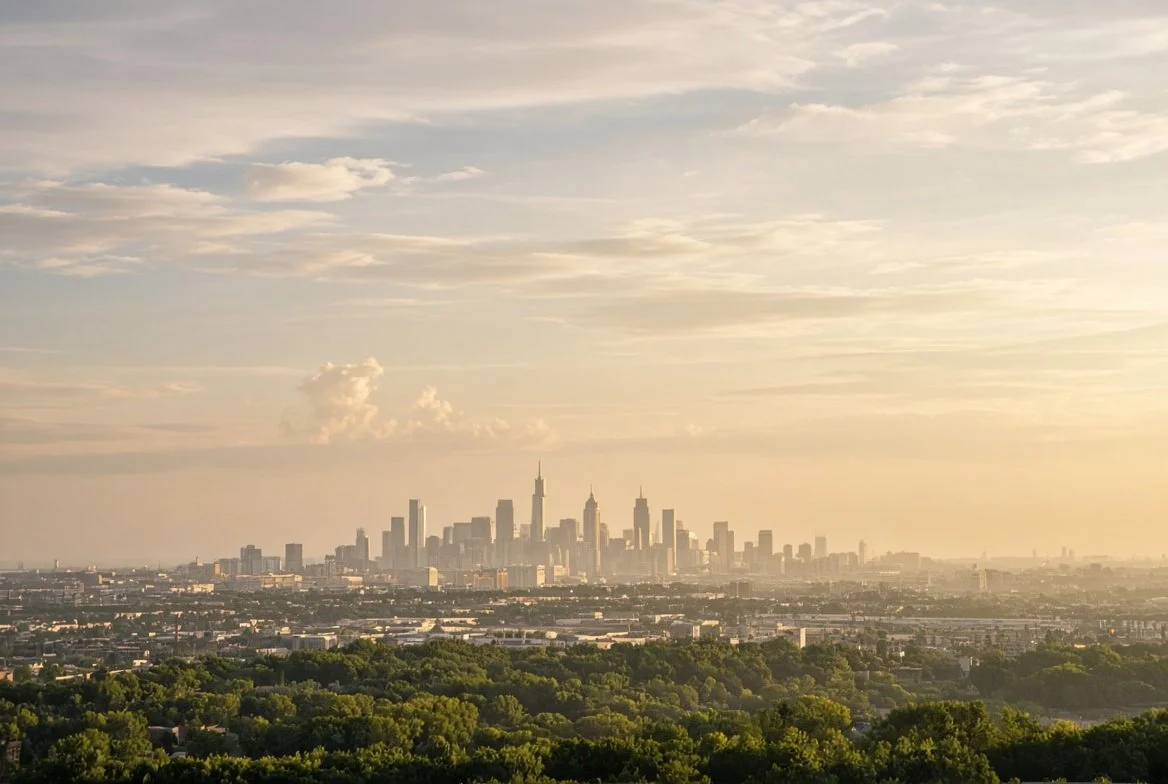
Ground-level ozone is a gas that forms in the air near the Earth’s surface when certain pollutants react in sunlight. It’s the main ingredient in summertime smog. Unlike the ozone layer high in the stratosphere that protects us from ultraviolet rays, ground-level ozone is a harmful air pollutant.
Quick Reference
Simple definition: A secondary air pollutant formed when nitrogen oxides and volatile organic compounds react in sunlight
Main concern: Irritates the lungs, worsens asthma, and reduces lung function; also damages plants and crops
Top places found: Urban and suburban areas on hot, sunny days, especially downwind of traffic and industrial sources
Key action: Check air quality forecasts on warm sunny days, limit prolonged outdoor exertion when levels are high, and support reductions in the pollutants that form it
Why it Matters
Ground-level ozone inflames and irritates the airways. Even healthy people can experience coughing, throat irritation, chest discomfort, and shortness of breath when levels rise. For people with asthma or other lung conditions, it can trigger attacks and make symptoms harder to control. Children, older adults, and anyone who spends a lot of time outdoors doing physical activity are more likely to feel the effects.
It also harms vegetation. Ozone can damage leaves, reduce plant growth, and lower crop yields. That makes it both a public-health and an environmental concern.

Where It Comes From
Ground-level ozone isn’t usually emitted directly. It forms when two groups of pollutants mix in the presence of sunlight and heat:
-
Nitrogen oxides (NOx) — mainly from vehicle exhaust, power plants, and industrial combustion
-
Volatile organic compounds (VOCs) — from vehicle emissions, solvents, paints, industrial processes, gasoline vapors, and some natural sources such as trees
The reaction happens most readily on hot, sunny days with little wind. That’s why ozone season is typically late spring through summer, and why the highest levels often occur in the afternoon and early evening.
Cities and the areas downwind of them tend to see the highest concentrations, but ozone can also form and travel into suburban and rural areas.
How Ozone Forms (and Why It’s Worse in Summer)
The chemistry is photochemical — driven by sunlight. Nitrogen oxides and VOCs undergo a series of reactions that produce ozone as a byproduct. Higher temperatures speed up the reactions, and strong sunlight provides the energy. Calm conditions allow the pollutants to stay concentrated instead of dispersing.
This is why a clear, hot afternoon in July can produce much higher ozone than a cool, cloudy day in the same place. Morning rush-hour emissions of NOx and VOCs can contribute to peak ozone later in the day as the sun climbs and temperatures rise. Overnight, ozone levels usually drop as the reactions slow and some of the gas is removed by other chemical processes or surfaces.
Because it’s formed in the air rather than coming straight out of a tailpipe or stack, controlling ozone means reducing the precursor pollutants over broad regions, not just at a single source.

The Simple Explanation
Ozone is a molecule made of three oxygen atoms (O₃). In the stratosphere, tens of thousands of feet up, it absorbs harmful ultraviolet radiation. At ground level, the same molecule is an oxidant that reacts with living tissue.
When you breathe it in, it can:
-
Inflame the lining of the lungs
-
Make the airways more responsive (especially in people with asthma)
-
Reduce the amount of air you can exhale forcefully
-
Increase susceptibility to respiratory infections in some cases
Symptoms can appear during exposure or within a few hours. Repeated exposure over a season or years is linked to more serious effects on lung development in children and accelerated lung-function decline in adults.
Air quality agencies measure ozone in parts per billion and issue forecasts and alerts using the Air Quality Index. “Code orange” or higher days mean sensitive groups should reduce prolonged or heavy outdoor exertion; higher levels call for broader caution.
Common Misconceptions
-
“Ozone is only an outdoor city problem.” It forms in urban areas but can travel and affect suburbs and some rural regions.
-
“If the air looks clear, ozone isn’t high.” Ozone itself is invisible; the haze we associate with smog often comes from particles that form alongside it.
-
“Indoor air is always safe from ozone.” Most ozone stays outdoors, but some can enter buildings, and certain indoor devices (older ionizers or some air purifiers) can generate it.
-
“Only people with asthma need to worry.” Healthy adults and children can also experience reduced lung function and irritation at elevated levels.

What You Can Do About It
-
Check daily air quality forecasts during warm months (AirNow.gov or local weather apps).
-
On high-ozone days, limit prolonged outdoor exercise, especially in the afternoon; move activities indoors or to early morning when possible.
-
Sensitive individuals (children, older adults, people with lung disease) should be extra cautious when levels are elevated.
-
Reduce your contribution to precursor emissions when practical: avoid idling, combine errands, use electric or hand-powered yard equipment instead of gas when feasible, and choose low-VOC paints and products.
-
Support broader efforts that cut NOx and VOC emissions from vehicles, power plants, and industry — those reductions are what ultimately lower ozone.
Conclusion
Ground-level ozone is a secondary pollutant formed when nitrogen oxides and volatile organic compounds react in sunlight. It’s worst on hot, sunny afternoons and can irritate the lungs, worsen asthma, and damage plants. You can’t eliminate it on your own, but checking forecasts, adjusting outdoor activity on high-ozone days, and reducing the pollutants that form it are practical ways to lower risk.