
How to Dispose of Paint Properly
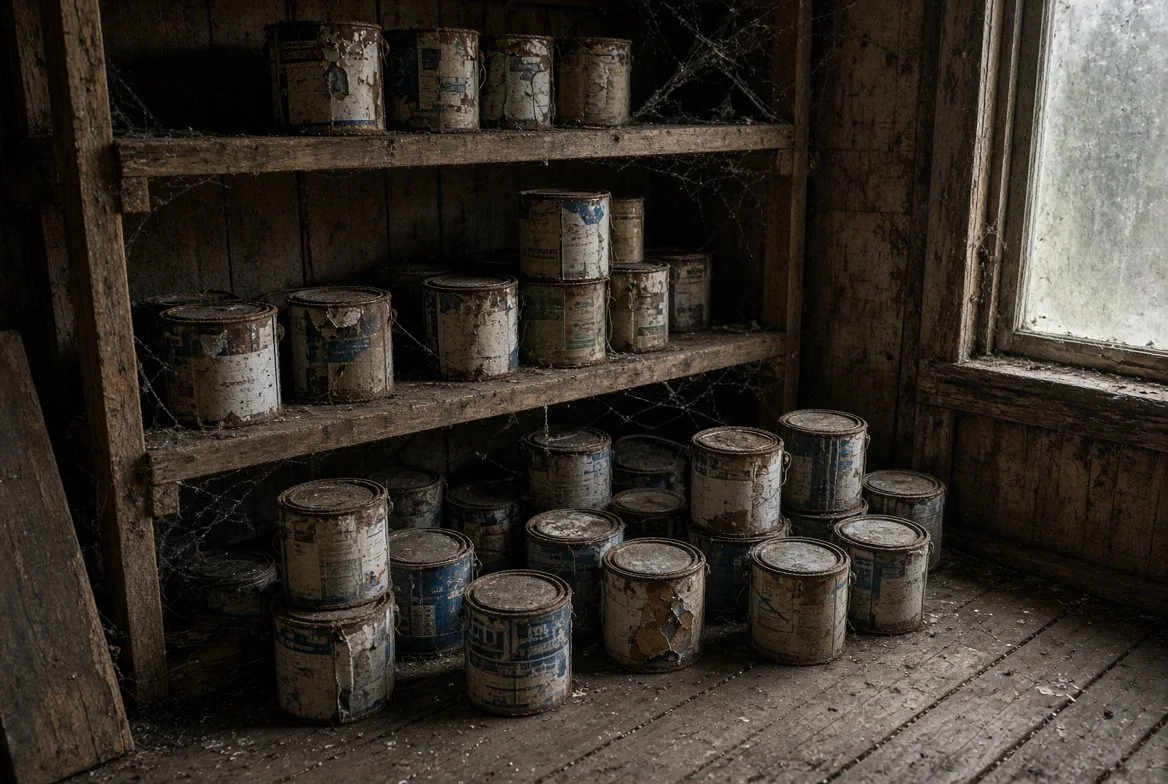
If you have old paint can stored up in the basement or garage that you want to dispose of, this post will explain how to do that for the different types of paint and why you shouldn't just throw everything in the garbage can.
Types of Paint
There are multiple different types of paint, but you can simply break most things down into two categories- latex paint and oil based paint. Latex is the most common type of paint used in houses but sometimes an oil based paint is used too. Before we talk about disposal, let's discuss the differences between the paints and how to tell what type of paint is in your buckets.
Latex Paint
Latex paint (also called water-based or acrylic paint) uses water as its main solvent and acrylic resins as the binder. It's the most common type of paint sold for homes today. Because it's water-based, it has low odor, lower levels of volatile organic compounds (VOCs), and cleans up easily with soap and water.
Latex paint dries quickly—usually touch-dry within an hour—and forms a flexible film that resists cracking as surfaces expand and contract with temperature changes. Modern formulas hold color well and do not yellow much over time.
When to use latex paint:
It's the best everyday choice for interior walls and ceilings, most exterior siding, and general DIY projects. Choose it when you want easier cleanup, better indoor air quality, faster project turnaround, and a finish that stays flexible. It works well in living spaces, bedrooms, and anywhere people spend a lot of time.
Oil-Based Paint
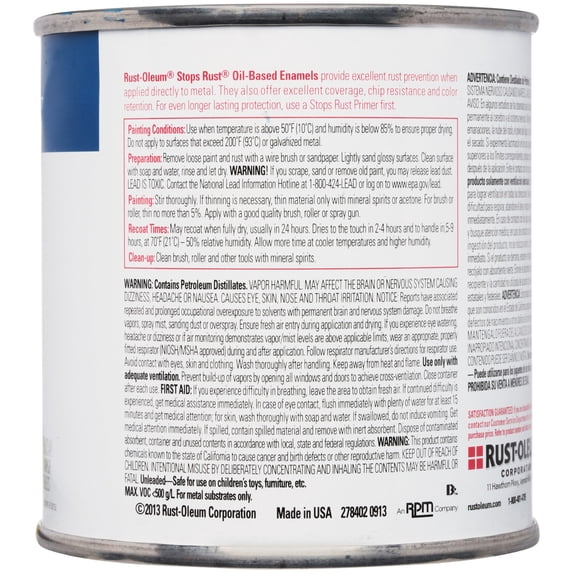
Oil-based paint (often called alkyd or enamel paint) uses alkyd resins derived from oils and relies on mineral spirits or other solvents instead of water. It creates a harder, denser film than latex and levels out more smoothly as it dries, which helps hide brush marks.
Oil-based paint takes longer to dry—often several hours before it is touch-dry and longer before you can recoat. It has a stronger odor and higher VOC content, so good ventilation is important during and after application. Cleanup requires mineral spirits or paint thinner rather than water.
When to use oil-based paint:
It's still useful for high-wear surfaces that need maximum hardness and durability, such as doors, trim, cabinets, baseboards, and some metal surfaces. Choose it when you need a tough, smooth finish that stands up to frequent contact or cleaning, or when painting over certain glossy or previously oil-painted surfaces where strong adhesion matters.
How to Tell What Type of Paint You Have
After disposing over thousands of containers of paint at schools and construction sites, I have a few ways that make it really easy to tell what type of paint is in bucket if the front label doesn't list it out.
-
The front label says "latex" or "acrylic" paint for latex paints. If it says "alkyd" or "oil based", its oil based.
-
The clean up instructions on the back will say "clean with soap and water" for latex paints and "clean with mineral spirits or paint thinner" for oil based paints.
-
For one gallon containers, latex paints have now started using a rubbery plastic lid and bottom on the container. It makes it more rust resistant and prevents spills.

How to Dispose of Latex Paint
This is pretty simple to get rid of because it's water based. But it's still not as simple as just tossing it in the trash can. Before you can dispose of latex paint in the trash can, it has to be dry. Never pour liquid paint down the drain, into the sewer, or onto the ground.
Methods to Dry Latex Paint Before Disposal:
1. Mix with an absorbent material (most common method)
Stir in something that soaks up the liquid, such as:
-
Cat litter (clay type works well)
-
Sawdust
-
Shredded newspaper or paper towels
-
Commercial paint hardener (sold at hardware stores)
Add the material a little at a time to the can and mix until the paint becomes a thick, oatmeal-like consistency or completely solid. Let it sit until it hardens fully.
2. Air-dry in the open can
Leave the lid off the can in a well-ventilated area (garage, covered porch, or outdoors out of direct rain). Stir occasionally so a skin doesn’t form on top and trap wet paint underneath. This works best for smaller amounts and can take several days to a couple of weeks depending on how full the can is.
3. Spread it out thinly
Pour the paint onto a piece of cardboard, newspaper, or a disposable tray in a thin layer. The bigger the surface area the faster it will dry.
Make sure that you only do this with latex/water-based paint. Do not use these methods for oil-based paint. For safety, keep the drying paint away from children, pets, and anything that could catch fire (even though latex is not highly flammable).
Once the paint is completely hard and no longer liquid, most places allow you to put it in the regular trash. Always check your local waste rules, because requirements can vary.
How to Dispose of Oil-Based Paint Properly
Oil-based paint is considered household hazardous waste because of the solvents it contains. Unlike latex paint, never pour it down the drain, dump it on the ground, or put liquid oil-based paint in your regular trash. It can contaminate water, soil, and the environment.
The safest and most responsible way to get rid of leftover oil-based paint is to take it to a household hazardous waste collection event or facility. Many communities hold periodic Household Hazardous Waste Days where residents can drop off oil-based paints, stains, solvents, and other hazardous materials at no charge or for a small fee. Check your city or county website, or call your local solid waste department, to find the next scheduled event in your area.
This website, Earth 911, lets you type in the type of waste you have and your zip code and will tell you where you can dispose of it.
If a Household Hazardous Waste Day is not coming up soon, contact your local landfill or transfer station directly. Ask whether they accept oil-based paint and what their drop-off rules are. Some landfills have permanent household hazardous waste collection areas or can tell you the nearest approved facility.
A few practical tips:
-
Keep the paint in its original can with the label intact whenever possible.
-
Make sure the lid is tightly sealed so nothing leaks during transport.
-
Never mix oil-based paint with latex paint or other chemicals before disposal.
Local rules can vary, so the best first step is always to check with your local landfill or solid waste authority. They can give you the most accurate information for your area and help you dispose of the paint safely and legally.

What About Disposing of Craft Paints
Craft paints are their own animal altogether. Most high end paints contain heavy metals like cadmium and chromium, which contaminate the water and soil when they're disposed improperly.
Like oil based paints, these should be disposed of at the Household Hazardous Waste locations that accept oil based paint if you have a bulk amount.
For smaller amounts, and any water containing the paints, you can dry out the water and wipe the container or jar out with a cloth or paper towel and toss this in the trash. But notice that the amount is small enough to be wiped with a paper towel.. if you have a large amount, like a full container or tube of this paint, it should go to the Household Hazardous Waste or to a friend who wants to use it.
Paints should be inspected for their type and their disposal method chosen based on that. Not all paint is the same, even if it was all used during a single renovation.