
How to Grow Lemon Balm
Some herbs make you work for them.
Lavender takes patience.
Rosemary likes to keep you guessing.
Lemon balm is not one of those herbs.
In fact, if I had to describe lemon balm in one word, it would probably be enthusiastic.
The first time I brushed against a lemon balm plant, I immediately understood why people grow it. The leaves released a bright lemon scent that was strong enough to notice from several feet away. Ever since then, it's been one of those herbs that I can't walk past without touching.
If you're looking for an herb that's easy to grow, useful in teas, attractive to pollinators, and forgiving of beginner mistakes, lemon balm is a great place to start.
Whether you're growing in containers, raised beds, or a dedicated herb garden, lemon balm tends to make itself at home pretty quickly.
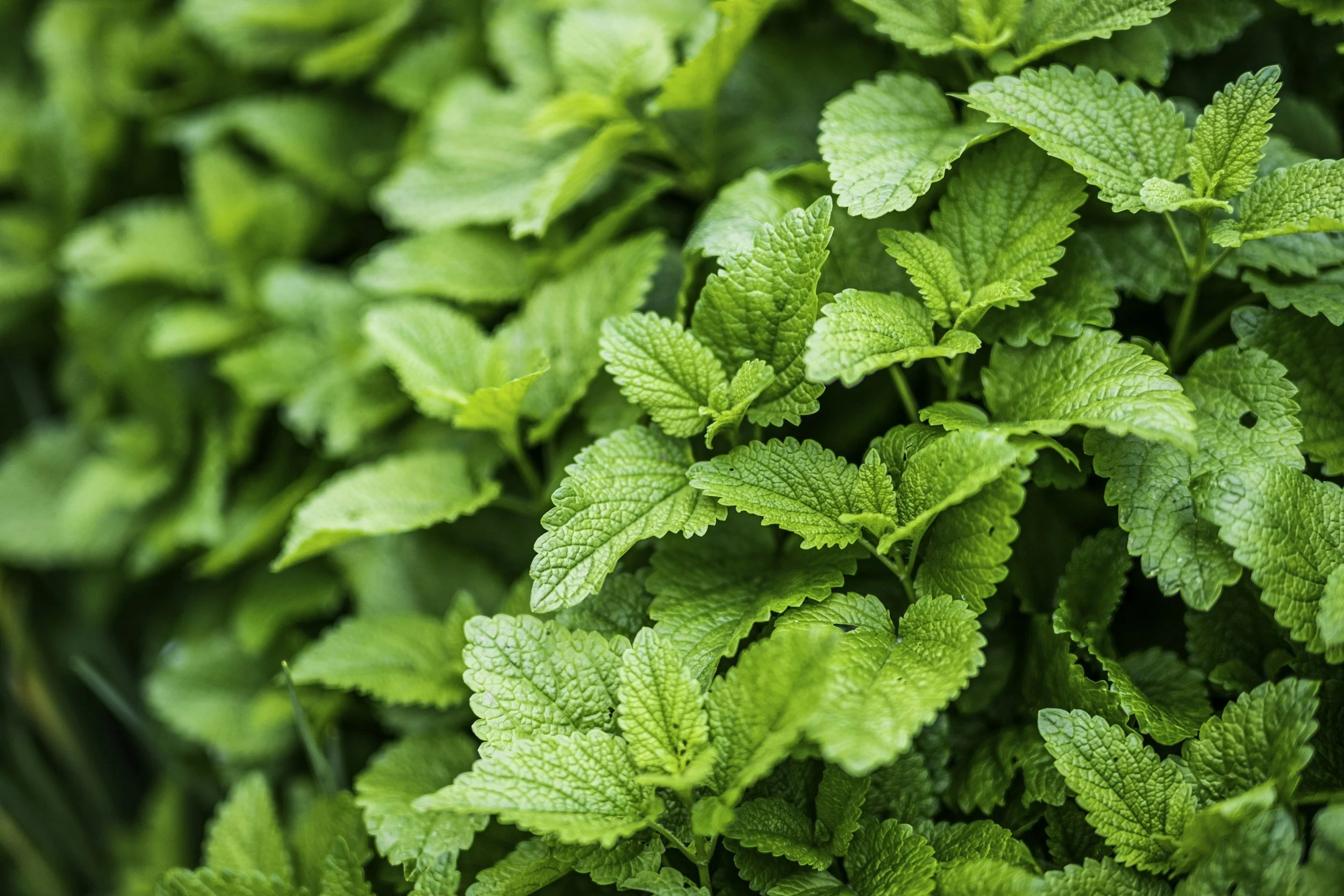
Why Grow Lemon Balm?
There are some herbs that you grow because they're useful. There are others that you grow because they're beautiful.
Lemon balm manages to be both.
The bright green leaves look great in the garden, the flowers attract pollinators, and the lemon scent is one of the most pleasant fragrances you'll find in an herb bed.
For me, the biggest appeal is tea.
Fresh lemon balm tea has a clean, citrusy flavor that doesn't require adding actual lemon. The dried leaves also blend well with chamomile, lavender, mint, rose, and many other tea herbs.
It's also one of the easiest perennial herbs I've grown. Once established, it tends to come back year after year and can produce more leaves than most gardeners know what to do with.
Of course, that abundance comes with a warning. Lemon balm belongs to the mint family. And mint relatives have opinions about personal space. They want all they can get and then all of yours too.
Choosing a Variety
Unlike lavender, where there are several major types that gardeners commonly grow, most gardeners will simply grow common lemon balm (Melissa officinalis).
This is the traditional lemon balm used in teas, herbal preparations, and home gardens.
There are also a few specialty varieties available, including variegated forms with cream-colored markings on the leaves and cultivars bred for stronger citrus fragrance. For most gardeners, though, standard lemon balm is the easiest variety to find and the one most commonly recommended.
If you're purchasing seeds or plants and the label simply says "Lemon Balm," that's probably exactly what you're getting.
How Long Until You Can Harvest?
One of the reasons I recommend lemon balm to beginners is that it doesn't make you wait forever.
Seeds usually germinate within one to three weeks, depending on conditions. Once the seedlings become established, growth picks up quickly.
In many cases, you'll be harvesting leaves within a couple of months of planting.
The nice thing about lemon balm is that you're harvesting leaves rather than flowers. You don't have to wait for blooms to appear before the plant becomes useful. As soon as the plant has enough healthy growth to spare, you can begin harvesting a few leaves here and there.
Just don't get too carried away in the beginning. It's hard not to when the plant smells that good.
When to Start Seeds
Lemon balm is much less demanding than lavender when it comes to seed starting.
I usually start seeds indoors about six to eight weeks before my last expected frost date. You can also direct sow seeds outdoors once frost danger has passed.
Because lemon balm grows fairly quickly, it doesn't need the extended head start that some perennial herbs require.
One thing I've noticed is that lemon balm seems far less interested in testing my patience than lavender. Once conditions are right, it generally gets on with the business of growing.
Germination
Lemon balm seeds usually germinate within 7 to 21 days.
Like many small herb seeds, they can be a little inconsistent. Some seedlings may appear quickly while others take their time. I try not to panic if only a few seeds have sprouted after the first week. More often than not, additional seedlings show up later.
One thing that surprised me was how small lemon balm seedlings are at first. Looking at them, it's hard to imagine they'll eventually become large bushy plants. But they get there surprisingly fast.
Germination Temperature
Lemon balm germinates best when soil temperatures stay between 65°F and 75°F.
I've started mine indoors in the basement without a heat mat and had good results. While a heat mat, like this one on Amazon, can certainly speed things up, I don't think it's absolutely necessary for most home gardeners.
Consistent moisture and adequate light seem to matter more than having perfect temperatures.
Light Requirements
Once the seedlings emerge, give them plenty of light. I aim for about 14 to 16 hours per day under grow lights and keep the lights a few inches above the plants.
Like most seedlings, lemon balm will stretch if it isn't getting enough light. The stems become thin and weak, and the plant spends more energy reaching for light than growing roots.
I've definitely made the mistake of raising grow lights too high in an attempt to fit more trays underneath them. The seedlings were not impressed.
Keeping the lights close results in sturdier, healthier plants.
Why Some Gardeners Buy Plants Instead
Honestly, lemon balm is easy enough from seed that I don't think buying plants is necessary unless you're in a hurry.
Nursery plants certainly give you a head start, but lemon balm germinates readily and grows quickly enough that starting from seed feels worthwhile.
If you're planning to grow several plants, seeds are usually much more economical.
Plus, there's something satisfying about watching a tiny seed become a giant lemon-scented bush that you're constantly trying to keep under control.
Hardening Off
If you've started your lemon balm indoors, you'll need to harden it off before moving it permanently outside.
The good news is that lemon balm tends to handle this transition better than some herbs. The bad news is that young seedlings are still young seedlings, and a surprise day of strong wind or intense sun can leave them looking pretty unhappy. This is exactly what happened to mine after I planted it in the raised bed as a small seedling. It died by the next morning.
I should start by placing my seedlings outside in a shaded area for a few hours each day. Over the course of a week or so, gradually increase both their sun exposure and the amount of time they spend outdoors.
One thing I've noticed with most herbs is that they seem happier outside almost immediately. Even when my seedlings are only spending a few hours outdoors, they often look sturdier and healthier than they did under lights in the basement.
Still, I try not to rush the process. A week of hardening off is much easier than trying to nurse stressed seedlings back to health.
When to Transplant
I transplant lemon balm once frost danger has passed and the seedlings have developed several sets of true leaves.
Unlike some herbs that stay relatively compact, lemon balm can become surprisingly large once it gets established. Those tiny seedlings may not look like much now, but they won't stay that way for long.
I generally space plants about 18 to 24 inches apart. That spacing can feel excessive when you're planting, but a mature lemon balm plant can easily fill the space.
Good airflow is important, especially later in the season when the plants become dense and bushy.
Sunlight
Lemon balm is one of those herbs that seems willing to compromise a little.
While many gardening guides recommend full sun, I've found that lemon balm grows well in both full sun and partial shade. In cooler climates, full sun is often ideal. In hotter climates, a little afternoon shade can help prevent the leaves from looking stressed during the hottest part of summer.
My own plants seem happiest when they receive plenty of morning sun and some relief from the most intense afternoon heat.
One thing I have noticed is that plants grown in heavier shade tend to become leggier and produce fewer leaves. Since the leaves are the part we're harvesting, more sunlight usually means a better harvest.
Soil
Lemon balm is much less picky about soil than lavender. As long as the soil drains reasonably well and contains some organic matter, lemon balm is usually pretty happy.
Mine grows in a mixture of compost, garden soil, peat moss, perlite, and worm castings. It's the same basic mix I use for many of my herbs, and lemon balm has never complained about it.
If anything, I've found that lemon balm is one of the more forgiving herbs when it comes to soil conditions. While lavender wants perfect drainage and rosemary likes to keep gardeners humble, lemon balm generally just wants decent soil and enough room to grow.
Fertilizer
Lemon balm doesn't require much fertilizer. If you're growing it in reasonably fertile soil with compost mixed in, additional feeding is often unnecessary.
In fact, too much fertilizer can sometimes encourage lots of leafy growth at the expense of the concentrated aroma that makes lemon balm so appealing in the first place.
I usually add compost when planting and then leave the plants alone. They seem perfectly capable of taking care of themselves after that.
Water
Compared to lavender, lemon balm definitely appreciates more moisture. That doesn't mean constantly wet soil, but it does mean I don't let it dry out quite as much.
During hot weather, especially when growing in containers, I check the soil regularly. If the top inch feels dry, it's usually time to water.
One thing I've learned is that lemon balm is fairly quick to let you know when it's thirsty. The leaves may start looking a little droopy, but they usually bounce back quickly after watering.
Unlike lavender, which often suffers from too much attention, lemon balm seems much more forgiving when it comes to watering mistakes.
Container Size
Lemon balm grows very well in containers and is actually one of the herbs I often recommend keeping in a pot.
Not because it struggles in garden beds. Because it doesn't. A healthy lemon balm plant can spread quite enthusiastically once established. Growing it in a container gives you a little more control over where it decides to live.
Young plants do well in one-gallon pots, but mature plants are much happier in containers that hold at least three to five gallons of soil. Larger containers dry out more slowly and allow the roots plenty of room to expand.
As always, make sure the container has drainage holes.
Raised Beds vs Container Gardening
Lemon balm thrives in raised beds.
It also thrives in containers.
It also thrives in traditional garden beds.
Honestly, the plant isn't particularly concerned with where you put it. The biggest difference is how much room you're willing to give it.
In a raised bed, lemon balm can eventually form a large bush that produces more leaves than most gardeners can reasonably use. In containers, growth is somewhat restricted, which can actually make harvesting and maintenance easier.
If you're planting lemon balm directly in the garden, keep in mind that it belongs to the mint family. While it isn't quite as aggressive as peppermint, it can spread through self-seeding and gradually claim more territory than you originally intended.
For gardeners who prefer neat borders and strict organization, containers may be the better choice. For gardeners who don't mind a little enthusiasm, raised beds work wonderfully.
My Experience Growing Lemon Balm
Lemon balm has been one of the easier herbs in my garden so far.
I started mine indoors along with many of my other tea herbs and quickly learned that it grows much faster than some of its neighbors. While I was waiting for lavender to decide whether it wanted to grow at all, the lemon balm seemed perfectly happy moving right along.
One thing that surprised me was how strong the scent is.
The first time I brushed against the leaves, I immediately smelled lemon. Not a vague citrus smell. Actual lemon. Now I find myself touching the leaves almost every time I walk past the plant.
It's one of those herbs that engages more than just your eyes. You see it, smell it, harvest it, and use it. That makes it feel especially rewarding to grow.
So far, it has also been one of the more forgiving plants in my garden. It doesn't seem to hold grudges when I make mistakes, which is a quality I appreciate in an herb.
Companion Planting and Pollinators
Once lemon balm begins flowering, pollinators take notice.
The small white flowers may not be particularly dramatic, but bees seem to adore them. In fact, the plant's scientific name, Melissa, comes from the Greek word for honeybee.
That feels pretty appropriate once you've seen the flowers buzzing with activity.
I like growing lemon balm near other herbs because it helps attract pollinators into the garden. Even if you're primarily growing vegetables, having a few flowering herbs nearby can increase pollinator traffic throughout the growing area.
And honestly, there's something satisfying about watching bees enjoy the garden as much as you do.
Common Problems
Seeds Won't Germinate
Lemon balm is generally much easier to germinate than lavender, but occasionally you'll still end up staring at a pot of soil wondering where the seedlings are.
When that happens, patience is usually the answer.
Most seeds germinate within a few weeks, but some simply take longer than others. I usually plant more than one seed per pot because it improves the chances that at least one seedling will emerge.
Leggy Seedlings
If seedlings become tall, thin, and floppy, they're usually asking for more light.
This happens frequently when grow lights are too far away or when seedlings are grown in a window that doesn't receive enough direct sunlight.
Moving the light closer generally solves the problem.
Plants Taking Over
This is less of a problem and more of a personality trait.
Lemon balm can spread through self-seeding if flowers are allowed to mature and drop seed. Depending on your gardening style, this is either wonderful or mildly alarming.
If you don't want volunteer seedlings appearing throughout the garden, remove flower stalks before they set seed.
Yellowing Leaves
Yellow leaves are often related to watering issues. Sometimes the soil is staying too wet. Other times the plant is simply stressed from inconsistent watering.
Checking the soil before automatically reaching for the watering can usually helps narrow down the cause.
Harvesting Lemon Balm
One of the best things about lemon balm is that you don't have to wait for flowers before you can start harvesting.
The leaves are the primary harvest.
Once the plant has become established and developed plenty of healthy growth, you can begin snipping stems as needed. I usually harvest from the outer portions of the plant first and leave the center to continue growing.
The best time to harvest is generally in the morning after the dew has dried but before the heat of the day arrives.
That's when the leaves seem freshest and most aromatic.
As a general rule, I avoid removing more than about one-third of the plant at a time. This leaves enough growth behind for the plant to recover quickly and continue producing new leaves throughout the season.
Drying and Storing Lemon Balm
One thing I learned fairly quickly with lemon balm is that you can end up with a lot more of it than you expected.
When you're first starting the plant, harvesting a handful of leaves feels like a big deal. A few months later, you're standing in front of a bush wondering what exactly you're supposed to do with all of it.
Fortunately, lemon balm is easy to preserve.
I usually harvest stems and remove any damaged or yellowing leaves before drying. The stems can be bundled together and hung upside down in a warm location with good airflow, much like many other herbs. If humidity is high, spreading the leaves on a drying rack can help speed things along and reduce the chance of mold developing.
One thing I've noticed is that lemon balm loses some of its bright lemon scent as it dries. The aroma is still there, but it's much stronger when the leaves are fresh. Because of that, I try to dry the leaves as quickly as possible while still avoiding excessive heat.
Depending on humidity levels, drying can take anywhere from several days to a couple of weeks. The leaves are ready when they crumble easily between your fingers and no longer feel cool or flexible.
Once dry, I store them in airtight jars away from heat, moisture, and direct sunlight. Properly stored lemon balm will generally maintain good quality for about a year, though I find myself using it long before that point.
Traditional Uses of Lemon Balm
If chamomile is the herb most people think of for bedtime tea, lemon balm is often right beside it.
For centuries, lemon balm has been used in teas, tinctures, infused oils, syrups, baths, and a variety of other herbal preparations. It's one of those herbs that shows up repeatedly in herbal books, old household remedies, and modern herbal practice alike.
Most people start with tea, and it's easy to understand why. The leaves have a pleasant citrus flavor that doesn't require adding actual lemon, and they blend beautifully with many other herbs. Chamomile, lavender, mint, rose, and passionflower all pair well with lemon balm.
One thing I appreciate about lemon balm is that it feels approachable. Some herbs have flavors that take time to enjoy. Lemon balm tastes exactly how you'd expect it to taste after smelling the leaves. It's fresh, bright, and easy to drink.
Beyond tea, lemon balm is frequently used in bath blends, infused oils, herbal vinegars, syrups, and homemade skin care products. The leaves can even be used fresh in summer drinks, fruit dishes, and desserts where a light citrus flavor is desired.
Because the plant grows so enthusiastically, it's one of the few herbs where you can experiment freely without worrying too much about using up your entire harvest.
What Makes Lemon Balm Smell Like Lemon?
The first time I rubbed a lemon balm leaf between my fingers, I remember being surprised by how strong the scent was.
I expected something vaguely citrusy.
Instead, it smelled like someone had hidden a lemon inside the leaf.
Like many aromatic herbs, lemon balm produces a variety of volatile compounds that contribute to its fragrance and traditional uses. These compounds are responsible for the fresh scent released whenever the leaves are crushed, harvested, or brewed into tea.
What's fascinating is that the plant produces these compounds for its own purposes, not ours. Yet those same compounds are part of what has made lemon balm popular among gardeners, herbalists, and tea drinkers for centuries.
The chemistry behind lemon balm deserves more attention than I can reasonably fit into a growing guide, so I've put together a dedicated Lemon Balm Profile article where I take a deeper look at the plant's constituents, phytotherapy applications, and traditional uses.
For now, just know that the incredible scent isn't your imagination. Lemon balm really is one of the most aromatic herbs you can grow.
Ways to Use Lemon Balm
One of the reasons I wanted to grow lemon balm in the first place was because it seemed useful in so many different ways.
Some herbs end up having one primary purpose. Lemon balm feels more versatile than that.
Fresh leaves can be used for tea, infused into water, added to fruit salads, mixed into herbal blends, or incorporated into desserts. Dried leaves store well and can be used throughout the year in teas and other herbal preparations.
Some of the ways I plan to use my harvest include tea blends, bath blends, infused oils, herbal syrups, and simple fresh tea straight from the garden. There's also something satisfying about walking outside, harvesting a handful of leaves, and immediately turning them into a cup of tea.
The more herbs I grow, the more I appreciate that connection between the garden and daily life. Lemon balm is one of the plants that makes that connection particularly easy.
Continue Exploring Lemon Balm
If you'd like to learn more about lemon balm, you might also enjoy:
These articles explore the plant in greater detail and dive deeper into the chemistry, harvesting techniques, and practical uses that make lemon balm such a rewarding herb to grow.
Final Thoughts
If I were introducing someone to herb gardening for the first time, lemon balm would be very high on my recommendation list.
It's easy to grow, forgiving of mistakes, attractive to pollinators, and useful in a surprising number of ways. Unlike some herbs that seem determined to test a gardener's patience, lemon balm generally wants to succeed. Give it reasonable soil, adequate water, and a sunny spot, and it will usually reward you with more growth than you expected.
What I appreciate most about lemon balm is that it doesn't ask much from the gardener. It grows enthusiastically, smells wonderful, and finds ways to be useful long after the growing season ends. Whether you're growing it for tea, pollinators, herbal projects, or simply because you enjoy the scent, it's one of those herbs that earns its place in the garden very quickly.
Just don't be surprised if you find yourself planting more of it next year. That's a pattern I'm starting to notice with many of my favorite herbs.