
What Is BPA?
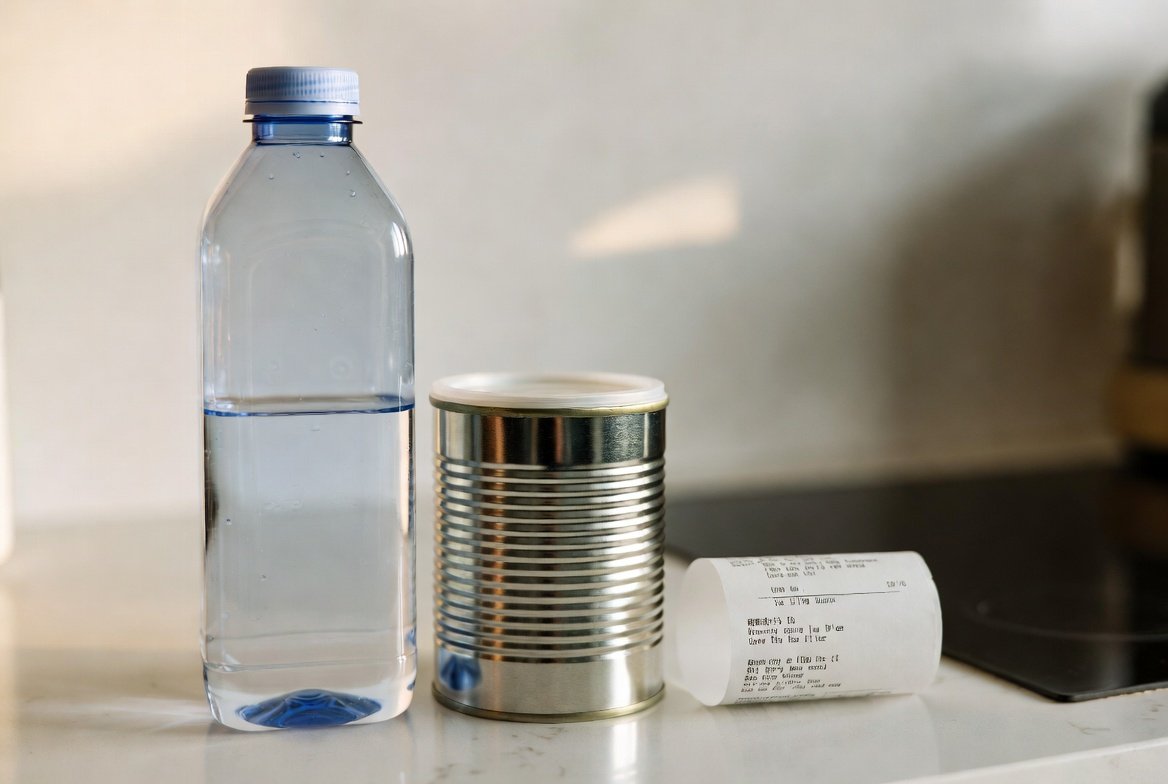
BPA stands for bisphenol A, an industrial chemical that has been used for decades to make certain plastics and resins. It is one of the most widely discussed chemicals in everyday consumer products, especially those that come into contact with food and drinks.
Quick Reference
Simple definition: An industrial chemical used to make polycarbonate plastics and epoxy resins
Main concern: Can act like a weak estrogen in the body; potential effects on development, reproduction, and metabolism
Top places found: Some hard clear plastics, epoxy linings inside food and drink cans, and thermal receipt paper
Key action: Reduce use of polycarbonate plastics with food, limit canned foods when practical, and avoid handling receipts excessively
Why it Matters
BPA can leach in small amounts from products into food, drinks, or onto skin. Once in the body, it can mimic estrogen, which is why it is classified as an endocrine-disrupting chemical. Research has linked higher exposures to possible effects on brain development, behavior, reproductive systems, and metabolic health. The strongest concerns focus on fetuses, infants, and young children, whose developing systems may be more sensitive.
Regulatory agencies have set limits on BPA in food contact materials, and many manufacturers have moved away from it in certain products. Still, it remains in use in some applications, so understanding where it shows up helps people make practical choices.

Where You Can Find Them
-
Polycarbonate plastic items (hard, clear plastics) — older reusable water bottles, some food storage containers, and certain consumer goods. Many of these are now labeled “BPA-free.”
-
Epoxy resin linings inside metal food and beverage cans — one of the more significant dietary sources for many people
-
Thermal paper receipts and some tickets — BPA is often used as a color developer; it can transfer to skin when handled
-
Some dental sealants and composites
-
Certain coatings and older plastic products

BPA in Can Linings and Receipts
Two of the less obvious but important everyday sources are the linings of metal cans and thermal receipt paper.
Most metal food and drink cans are coated on the inside with an epoxy resin to prevent corrosion and keep the metal from reacting with the food. For many years, those resins were made with BPA. Small amounts can migrate into the food, especially with acidic or fatty contents, or when cans are heated. This has made canned foods a meaningful source of exposure for people who eat them regularly. Many manufacturers have shifted to BPA-free alternatives, but not all cans are free of it yet, and labeling is not always clear.
Thermal paper — the kind used for most cash register receipts, some tickets, and self-adhesive labels — often contains BPA as a color developer. When you touch the receipt, a small amount can transfer to your skin and potentially be absorbed or transferred to food if you handle food afterward. People who handle receipts frequently (cashiers, for example) can have higher exposures from this route.
The Simple Explanation
BPA (bisphenol A) is a synthetic compound used primarily to make polycarbonate plastics and epoxy resins. Polycarbonate is the hard, clear plastic found in some reusable bottles and containers. Epoxy resins are used as protective linings inside many metal food and beverage cans and as coatings in other applications.
The chemical structure of BPA allows it to bind weakly to estrogen receptors in the body. This is why it is classified as an endocrine-disrupting chemical. It does not act as strongly as natural estrogen, but repeated low-level exposure is common because the chemical is present in so many food-contact materials.
BPA can migrate out of products under certain conditions — heat, acidity, repeated use, or abrasion. Once absorbed, the body metabolizes and eliminates most of it relatively quickly (usually within hours to a day), which is different from more persistent chemicals that stay in the body for years. Even with relatively rapid clearance, frequent exposure from multiple sources can maintain a continuous low level in the system.
Related chemicals such as BPS (bisphenol S) and BPF (bisphenol F) are often used as replacements in “BPA-free” products. They share structural similarities and, in a number of studies, also show hormone-disrupting activity. Switching away from BPA reduces exposure to that specific compound, but it does not automatically remove the broader issue of bisphenol exposure.
The Difference Between BPA and BPS
When manufacturers started removing BPA from products, many switched to a related chemical called BPS (bisphenol S). You’ll often see “BPA-free” on labels, but that does not always mean the product is free of similar compounds.
BPA and BPS belong to the same chemical family. Both are used to make plastics and resins stronger and more heat-resistant, and both can interact with hormone systems in the body. The main structural difference is that BPS contains a sulfur-based group where BPA has a carbon-based one. That change makes BPS more stable in some applications, which is why it became a popular replacement — especially in thermal receipt paper and certain food-contact materials.
Here’s the practical catch: research so far suggests BPS can also act like a weak estrogen, much like BPA. In some studies it shows similar or even stronger hormone-disrupting activity. It also appears in human urine samples more frequently as BPA use has declined, which indicates people are being exposed to it as a substitute.
In short, “BPA-free” often means the manufacturer replaced one bisphenol with another. It reduces exposure to BPA specifically, but it does not automatically eliminate the broader concern about this class of chemicals. Glass, stainless steel, and ceramics remain the clearest ways to avoid both.

Common Misconceptions
-
“BPA-free means completely safe.” Many BPA-free plastics use similar chemicals (such as BPS or BPF) that may have their own endocrine-disrupting potential.
-
“Only plastic bottles are a concern.” Can linings and thermal paper are also significant sources for many people.
-
“BPA stays in the body for years.” Unlike many forever chemicals, BPA is processed and excreted much more rapidly, usually within hours to a day.
-
“If it’s not banned, it must be harmless.” Regulatory limits exist because of concern, especially for vulnerable groups, even while the chemical remains allowed in some uses.
What You Can Do About It
Practical steps can lower exposure without requiring major lifestyle changes:
-
Choose glass, stainless steel, or ceramic containers for food and drinks when possible.
-
Reduce reliance on canned foods, or look for brands that state they use BPA-free linings.
-
Limit handling of thermal receipts; wash hands after touching them and avoid giving them to children to play with.
-
Prefer fresh or frozen foods over canned when convenient.
-
Look for “BPA-free” labels on plastics, while understanding that alternatives may not be entirely free of similar concerns.
Many products have already moved away from BPA, especially those intended for babies and young children, because of stronger restrictions in those categories.
Conclusion
BPA is a widely used industrial chemical that can act like a weak estrogen in the body. The biggest everyday sources for most people are certain hard plastics, the linings of metal food cans, and thermal receipt paper. While the body clears BPA relatively quickly, repeated low-level exposure is common. Choosing alternatives like glass or stainless steel, cutting back on canned foods, and being mindful of receipts are practical ways to reduce contact.