
What Are Persistent Organic Pollutants?
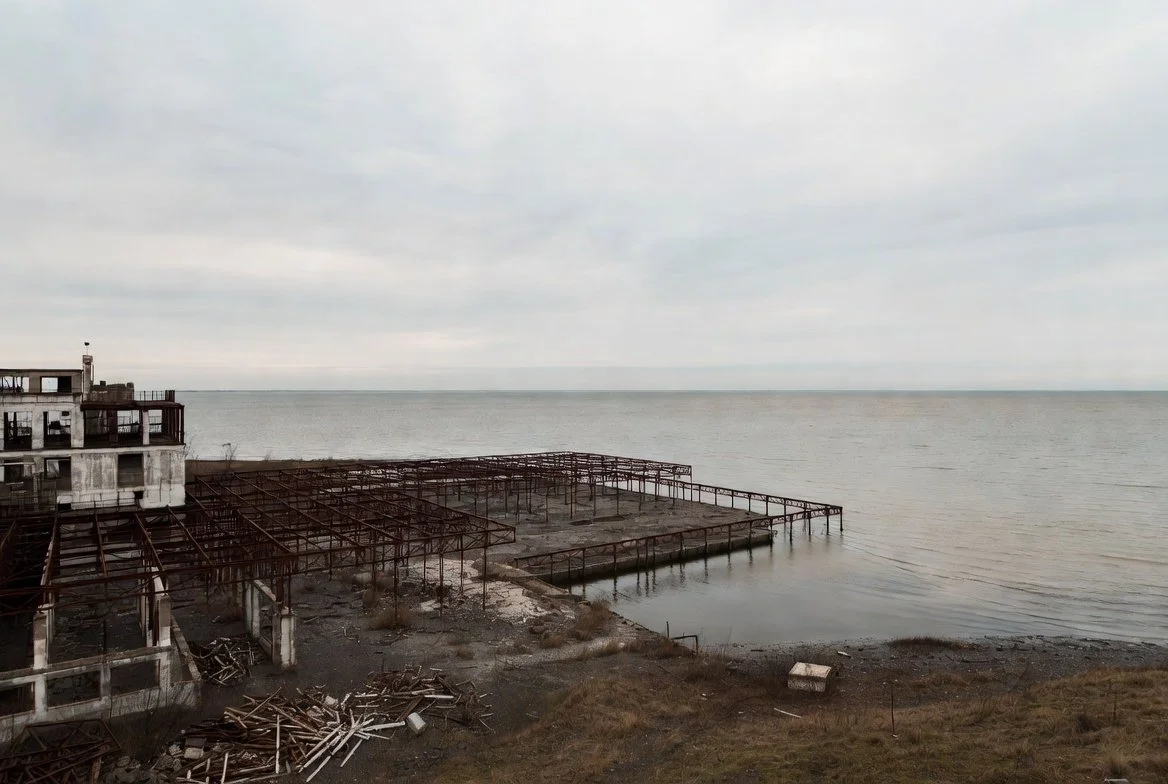
Persistent organic pollutants, or POPs, are a group of toxic chemicals that share four key traits: they last a long time in the environment, they build up in living things, they can travel long distances, and they can harm human health or the environment. Many of the best-known ones were widely used in the past as pesticides, industrial chemicals, or were created unintentionally as byproducts of certain processes.
Quick Reference
Simple definition: Toxic chemicals that persist in the environment, build up in living things, travel long distances, and can cause harm
Main concern: Long-term presence in the environment and food chain; many are linked to serious health effects
Top examples: PCBs, dioxins, DDT, and several other banned or restricted pesticides and industrial chemicals
Key action: Most major POPs are already banned or heavily restricted; focus on reducing exposure from older products, contaminated sites, and certain foods high in the food chain
Why it Matters
Because POPs do not break down easily, they can remain in soil, water, and sediment for decades. They also tend to accumulate in the fatty tissue of animals and people, becoming more concentrated as they move up the food chain. Some have been linked to cancer, reproductive and developmental problems, immune system effects, and disruption of hormones. Even though many of the original POPs have been banned for years, they are still present in the environment and in some older products or contaminated locations.

Where You Can Find Them
-
Older electrical equipment and building materials that contain PCBs (transformers, capacitors, some fluorescent light ballasts, and certain caulks or paints from past decades)
-
Contaminated soils and sediments near historical industrial sites, waste sites, or areas where certain pesticides were heavily used
-
Fatty fish, meat, and dairy products in regions with legacy contamination (POPs accumulate in animal fat)
-
Unintentional byproducts such as dioxins and furans from incomplete combustion of materials containing chlorine, certain industrial processes, and some older waste incineration
-
Residual amounts in the global environment due to long-range transport through air and ocean currents
The Stockholm Convention
In 2001, countries around the world adopted the Stockholm Convention on Persistent Organic Pollutants. The agreement aims to eliminate or restrict the production and use of the most harmful POPs. It started with an initial list of 12 chemicals (often called the “dirty dozen”) that included PCBs, dioxins, furans, and several organochlorine pesticides such as DDT, aldrin, and chlordane.
Since then, additional chemicals have been added to the list as evidence of their persistence, bioaccumulation, and toxicity has grown. The Convention distinguishes between chemicals that were intentionally produced and those that are created unintentionally as byproducts. It also recognizes that some POPs, such as DDT, may still have limited public-health uses in certain regions for disease control when no safer alternatives are available.
The treaty is one of the main reasons many of the classic POPs are no longer manufactured in most of the world, even though the chemicals themselves remain in the environment.

The Simple Explanation
Persistent organic pollutants are defined by a combination of properties rather than a single chemical structure. To meet the formal definition used in international agreements, a substance generally must be:
-
Persistent — resistant to breakdown by sunlight, water, or microbes
-
Bioaccumulative — builds up in the fatty tissue of living organisms
-
Capable of long-range environmental transport — can travel far from its original source through air or water
-
Toxic — harmful to human health or the environment
Many of the classic POPs are organochlorine compounds. Some were manufactured on purpose (PCBs for electrical equipment, DDT and related chemicals as pesticides). Others, such as dioxins and furans, are created unintentionally during incomplete combustion of organic material when chlorine is present, or in certain industrial processes.
Because they dissolve more readily in fat than in water, POPs tend to concentrate as they move up the food chain. A small amount in water or sediment can become a much higher concentration in the fatty tissue of fish, and higher still in animals or people that eat those fish. This is why even low environmental levels can matter over time. Many of the original POPs have been banned or heavily restricted for years, yet their persistence means they are still present in soils, sediments, and living organisms.
Common Misconceptions
-
“All persistent chemicals are POPs.” Only those that also bioaccumulate, travel long distances, and show significant toxicity meet the full definition used in international agreements.
-
“Because many POPs are banned, the problem is over.” Production has largely stopped for the original list, but the chemicals themselves are still present in the environment and in some older materials.
-
“POPs and forever chemicals are the same thing.” “Forever chemicals” is the popular nickname mainly used for PFAS. POPs are a broader, formally defined group that includes other long-lasting toxic substances.
-
“Only people near old factories need to worry.” Long-range transport means POPs have been found in remote areas, including the Arctic.

What You Can Do About It
Most major POPs are already banned or strictly limited, so the practical steps focus on reducing contact with remaining sources:
-
Be cautious with older electrical equipment, building materials, or waste that may contain PCBs; proper handling and disposal matter.
-
Follow local fish-consumption advisories, especially for fatty species from potentially contaminated waters.
-
Support proper waste management and cleaner industrial processes that reduce unintentional creation of dioxins and furans.
-
Stay informed about contaminated sites in your area if you live near historical industrial or pesticide-use locations.
Because production of the original POPs has largely ended, the biggest remaining gains come from careful management of what is already in the environment and in older products.
Conclusion
Persistent organic pollutants are a defined group of toxic chemicals that last a long time, build up in living things, and can travel far from their original source. Many of the best-known ones have been banned for years under international agreements such as the Stockholm Convention, yet they remain in the environment because of their extreme persistence. For most people, the practical focus is on avoiding remaining sources — older PCB-containing equipment, certain contaminated sites, and following local guidance on fish and other foods that can carry higher levels.