
What Is Particulate Matter 2.5 (PM2.5)?
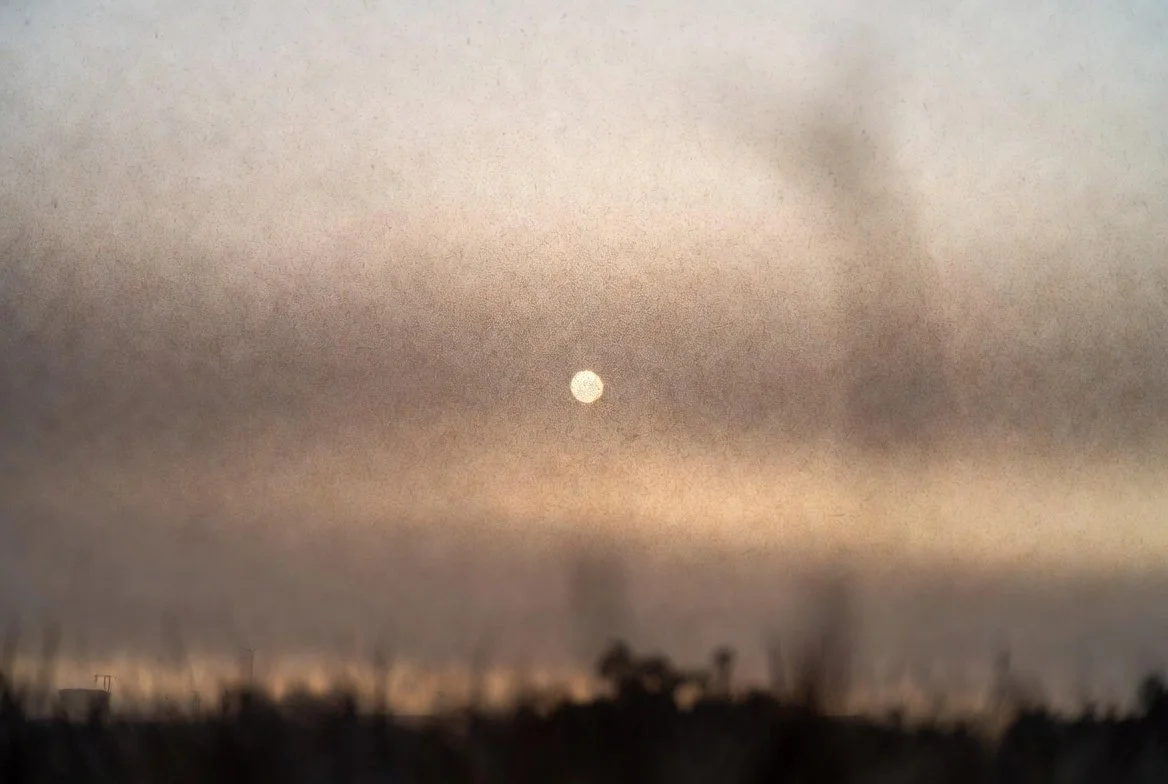
PM2.5 refers to tiny particles in the air that are 2.5 micrometers or smaller in diameter — about 1/30th the width of a human hair. Because they’re so small, they can travel deep into the lungs and even enter the bloodstream. They’re one of the most important air pollutants for human health.
Quick Reference
Simple definition: Fine airborne particles 2.5 micrometers or smaller that can reach deep into the lungs and bloodstream
Main concern: Linked to heart and lung problems, asthma flare-ups, and premature death with both short- and long-term exposure
Top sources: Combustion (vehicles, power plants, wood smoke), industrial processes, and wildfire smoke
Key action: Check the Air Quality Index, reduce outdoor activity when levels are high, and use filtration indoors during smoke events
Why it Matters
PM2.5 is small enough to bypass the body’s usual defenses in the nose and upper airways. Once in the lungs, it can cause inflammation and make existing heart and lung conditions worse. Short-term spikes are linked to more asthma attacks, emergency-room visits, heart attacks, and strokes. Long-term exposure is associated with reduced lung function, chronic respiratory disease, cardiovascular disease, and higher risk of premature death.
People with asthma, COPD, heart disease, children, and older adults are often more sensitive. Even healthy people can feel effects during high-pollution days. Because PM2.5 levels can change quickly with weather, traffic, and events like wildfires, day-to-day awareness matters.

Where It Comes From
PM2.5 comes from both direct emissions and chemical reactions in the air:
-
Vehicle exhaust and other transportation sources
-
Power plants and industrial facilities that burn fuel
-
Residential wood burning and other biomass smoke
-
Wildfire smoke (a major and growing source in many regions)
-
Construction, dust, and some agricultural activities
-
Secondary particles formed when gases like sulfur dioxide, nitrogen oxides, and volatile organic compounds react in the atmosphere
Wildfire smoke is especially important. Large fires can send PM2.5 hundreds or even thousands of miles downwind, creating multi-day periods of unhealthy air far from the flames. In recent years, wildfire smoke has become one of the biggest drivers of high PM2.5 days in many parts of the United States and other fire-prone regions.

Wildfire Smoke and PM2.5
Wildfire smoke is a complex mixture, but fine particulate matter is one of its most harmful components. The particles in smoke are often in the PM2.5 size range (and smaller), so they travel deep into the respiratory system.
During a smoke event, outdoor PM2.5 levels can rise dramatically and stay elevated for days. Indoor levels usually rise too unless the building is well-sealed and filtered. Sensitive groups are advised to limit outdoor time, avoid strenuous activity outside, and use air filtration when possible. N95 or similar respirators can reduce particle inhalation when you have to be outside, but they only work if they fit well and are used correctly.
Smoke can also carry other chemicals, but PM2.5 is the pollutant most consistently linked to the health effects seen during and after wildfire episodes. Checking the Air Quality Index (AQI) and local air-quality forecasts is the practical way to know when to take extra steps.
The Simple Explanation
Particulate matter is a mixture of solid particles and liquid droplets suspended in the air. It’s grouped by size because size determines how far the particles travel in the atmosphere and how deeply they penetrate the body.
PM10 includes particles up to 10 micrometers; these can reach the upper airways and lungs. PM2.5 is the finer fraction — 2.5 micrometers and smaller. These particles stay airborne longer, travel farther, and can reach the deepest parts of the lungs (the alveoli). From there, some of the smallest particles and the chemicals they carry can move into the bloodstream.
PM2.5 isn’t one chemical. It can include soot, metals, sulfates, nitrates, organic compounds, and other materials depending on the source. Combustion sources (engines, power plants, wood and wildfire smoke) tend to produce a lot of fine particles. Secondary PM2.5 forms when gases emitted from those and other sources react in the atmosphere under sunlight and other conditions.
Health effects are driven by both the particles themselves and the substances attached to them. The smaller size is what makes PM2.5 particularly effective at reaching and affecting sensitive tissues.

Common Misconceptions
-
“If the air looks clear, PM2.5 is low.” Fine particles can be present at unhealthy levels even when visibility looks okay.
-
“Only outdoor air matters.” Indoor levels can be high too, especially during wildfire smoke events or when combustion sources are used inside.
-
“Masks and cloth coverings stop PM2.5.” Most cloth masks and surgical masks don’t filter fine particles effectively; properly fitted N95-style respirators do a better job.
-
“Wildfire smoke is just a local problem.” Smoke can travel long distances and affect air quality far from the fire.
What You Can Do About It
-
Check the Air Quality Index (AQI) regularly, especially during wildfire season or on stagnant air days.
-
When PM2.5 is high, reduce outdoor exercise and limit time outside, particularly for sensitive groups.
-
During smoke events, keep windows closed and use a portable air cleaner with a HEPA filter or a HVAC system with a good particle filter if you have one.
-
Avoid adding indoor combustion sources (candles, incense, wood burning, smoking) when outdoor air is already poor.
-
If you must be outside in heavy smoke, a well-fitted N95 or similar respirator offers better protection than a cloth or surgical mask.
-
Support and maintain cleaner transportation, energy, and land-management practices that reduce particle emissions over the long term.
Conclusion
PM2.5 is fine particulate matter small enough to reach deep into the lungs and enter the bloodstream. It’s linked to a wide range of heart and lung problems with both short-term spikes and long-term exposure. Major sources include combustion and, increasingly, wildfire smoke that can affect air quality far from the flames. Checking the Air Quality Index, reducing outdoor activity on high-pollution days, and using filtration indoors during smoke events are practical ways to lower exposure.